
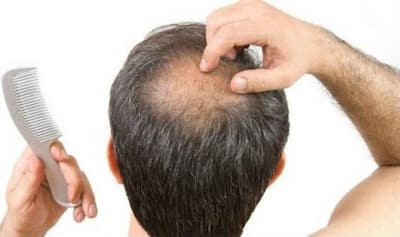
Hair loss—whether sudden or gradual—can be unsettling. Beyond physical appearance, it often impacts confidence and overall well-being. While genetics and medical conditions play a role, many people overlook how everyday lifestyle choices can significantly affect hair health.
From what you eat to how you manage stress, your daily habits may be quietly contributing to hair thinning or shedding. Even environmental exposure and styling practices can make a difference.
What Falls Under Lifestyle-Related Hair Loss?
Healthy hair isn’t just about products—it’s a reflection of how you live. A nutritious diet, proper rest, stress management, and mindful hair care all play key roles in maintaining strong, vibrant hair. Here are some common lifestyle factors that may be affecting your hair:
1. Poor Nutrition
The saying “you are what you eat” applies to your hair, too. Diets lacking essential nutrients—like vitamins, minerals, and protein—can weaken hair and disrupt its growth cycle.
Extreme dieting or regularly consuming processed foods high in sugar, salt, and unhealthy fats can lead to noticeable changes in hair texture, strength, and volume. Deficiencies in key nutrients may slow growth or even trigger excessive shedding.
2. Smoking
Smoking is widely known for its harmful effects on overall health, but it may also impact your hair. Research suggests that smoking can interfere with blood circulation, reducing the flow of oxygen and nutrients to hair follicles.
Since follicles rely on a steady supply of nutrients to grow healthy strands, restricted blood flow can weaken hair growth over time and potentially contribute to hair loss.
3. Chronic Stress
Not all stress is harmful—but prolonged or intense stress can take a toll on your body, including your hair. High stress levels may push hair follicles into a resting phase, leading to increased shedding.
What makes this tricky is the delay: hair loss may appear months after the stressful event. This often leads to more anxiety, creating a cycle that can worsen the condition.
4. Lack of Sleep
Sleep is essential for overall health, including hair growth. During rest, your body repairs and regenerates cells. Poor sleep disrupts this process, affecting both physical and emotional well-being.
Insufficient sleep can also elevate stress hormones, which are linked to hair thinning and may even accelerate genetic hair loss patterns.
5. Sun and Environmental Exposure
While sunlight helps your body produce vitamin D, excessive exposure can damage hair. Prolonged sun exposure can make hair dry, brittle, and more prone to breakage.
Similarly, saltwater and chlorine from swimming pools strip natural oils and nutrients from your hair, leaving it weak and dull. Protective measures like wearing a hat or applying nourishing oil before swimming can help minimize damage.
6. Overuse of Hair Products and Treatments
Styling products like gels, sprays, and mousses, along with frequent coloring, bleaching, or chemical treatments, can weaken hair over time.
While these treatments enhance appearance, overuse may lead to dryness, breakage, and eventual hair loss. Finding a balance between styling and care is essential to maintain both healthy and attractive hair.
Final Thoughts
Hair health is closely tied to your daily habits. Small lifestyle changes—like improving your diet, managing stress, getting enough sleep, and being gentle with your hair—can make a noticeable difference over time.
If you’re experiencing ongoing hair loss, it may be worth evaluating your routine. Often, the solution isn’t just in products—but in how you take care of your body as a whole.