

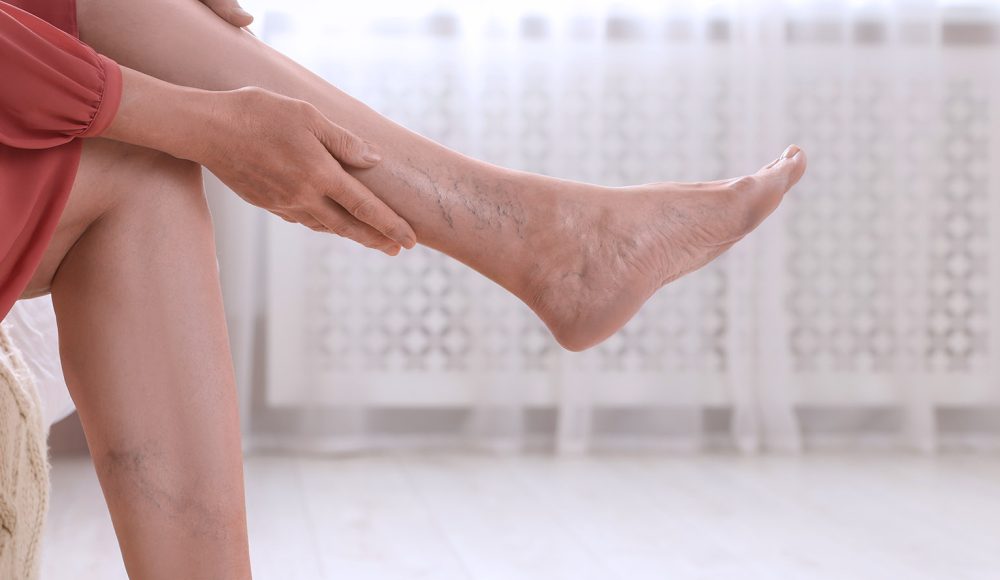
Varicose veins often appear gradually—a faint blue line, a bulging vein, a sense of heaviness in the legs. Many women assume it’s just part of getting older. While age does contribute, it’s far from the only reason. In fact, women are significantly more likely than men to develop varicose veins, and the reasons behind this are rooted in biology, hormones, and lifestyle factors.
What Causes Varicose Veins?
Your leg veins have an important job: pushing blood back up to the heart against gravity. To do this, they rely on tiny valves that keep blood flowing in one direction. When these valves weaken or stop working properly, blood begins to pool in the veins. This increases pressure, causing the veins to stretch, twist, and become visible under the skin.
Although these surface veins handle a smaller portion of blood circulation, the impact can still be uncomfortable and progressive if left unaddressed.
The Hormonal Connection
Hormones play a major role in why women are more affected. Estrogen and progesterone influence how blood vessels function. When hormone levels fluctuate, vein walls and valves can relax, making it easier for blood to pool.
These changes aren’t occasional—they happen repeatedly throughout a woman’s life:
- During menstrual cycles
- Throughout pregnancy
- In perimenopause and menopause
Men don’t experience this same pattern of hormonal shifts, which is a key reason for the difference in risk.
Pregnancy and Increased Pressure
Pregnancy places extra strain on the veins in several ways. Blood volume can rise by up to 45%, increasing the workload on the circulatory system. At the same time, the growing uterus puts pressure on pelvic veins, slowing blood flow from the legs.
As a result, many women notice varicose veins during pregnancy. For some, the condition may worsen with subsequent pregnancies.
Changes After Menopause
Menopause brings a decline in estrogen levels, which affects the health of blood vessels. Estrogen helps maintain elasticity and smooth blood flow. When levels drop, veins can become less resilient.
This is why some women develop varicose veins later in life, while others notice existing ones becoming more prominent.
The Impact of Body Weight
Carrying excess weight adds pressure to the veins in the legs, making it harder for blood to circulate efficiently. While this affects both men and women, higher rates of obesity among women can contribute to the increased prevalence of varicose veins.
What You Can Do
Varicose veins don’t have to be something you simply live with. Today’s treatment options are far more advanced and less invasive than in the past.
Common approaches include:
- Minimally invasive procedures such as sclerotherapy or thermal ablation
- Ultrasound-guided treatments for precise targeting
- Lifestyle adjustments like regular movement, weight management, and leg elevation
Most modern treatments are performed on an outpatient basis, with little to no downtime, allowing a quick return to daily activities.
Why Professional Evaluation Matters
A proper assessment goes beyond what’s visible on the surface. Factors like hormonal history, genetics, lifestyle, and symptom progression all play a role in determining the best treatment plan.
Personalized care leads to better, longer-lasting results—far more effective than a one-size-fits-all approach.
Final Thoughts
Varicose veins are more common in women for clear, biological reasons—not just chance or aging. Understanding these factors can help you take the right steps early, whether that means prevention, lifestyle changes, or seeking treatment.
If you’ve been putting it off, it may be time to explore your options. Addressing the issue sooner can make a noticeable difference in both comfort and confidence.