
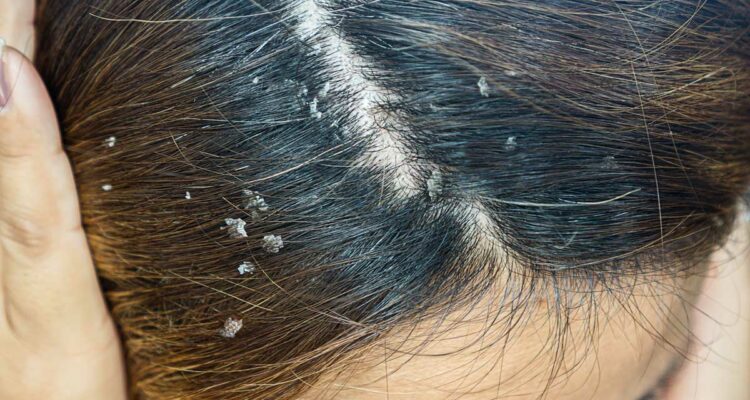
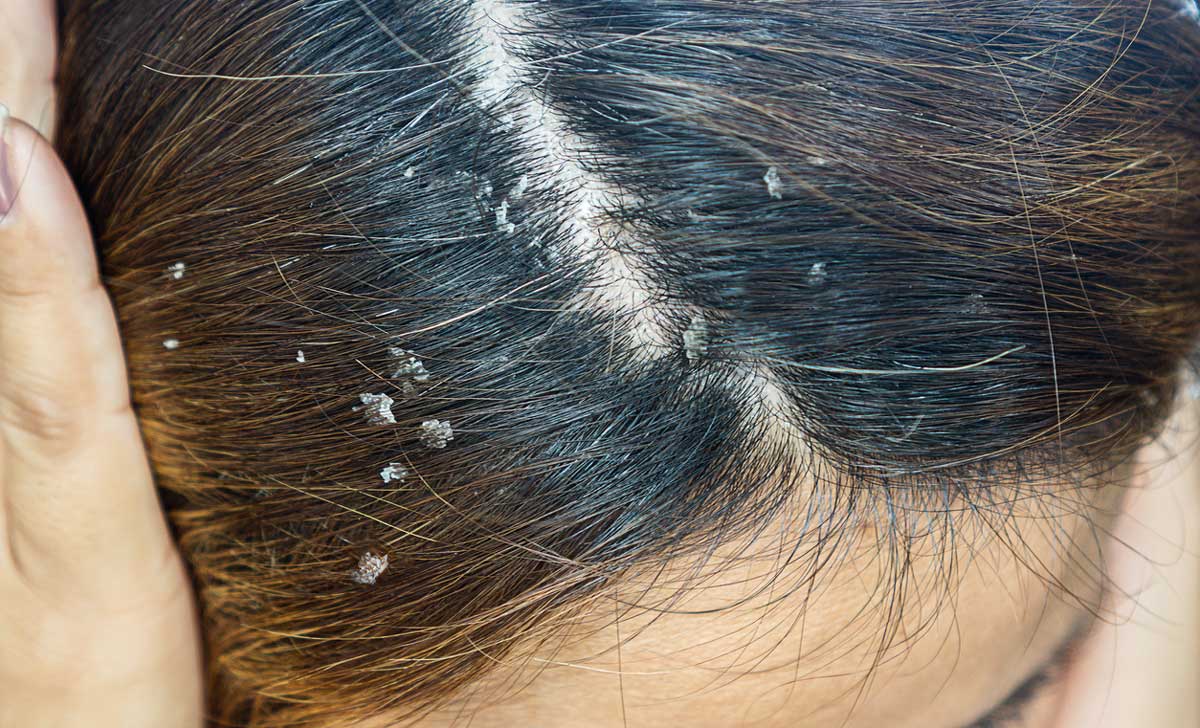
An itchy, flaky, or sensitive scalp isn’t just uncomfortable—it could be a key reason behind unexplained hair fall. While many people chase serums and supplements, they often ignore the most important factor: scalp health.
Dermatologists now recognize that a hidden ecosystem of bacteria and fungi—your scalp microbiome—plays a crucial role in hair growth. When this delicate balance is disrupted, hair follicles struggle to function properly. Here’s a clear, science-backed look at how it all works, what causes imbalance, and how to fix it.
Understanding the Scalp Microbiome
Your scalp is home to a diverse mix of microorganisms, including bacteria like Staphylococcus epidermidis and fungi such as Malassezia. In a healthy state, these microbes coexist peacefully, feeding on natural oils and helping maintain a slightly acidic pH that protects against harmful pathogens.
This balance is essential for hair growth. When the scalp environment is stable, hair follicles receive proper nutrients and remain in the active growth phase (anagen). But when this balance is disturbed—known as dysbiosis—it can trigger inflammation, weaken follicles, and lead to increased shedding.
What Disrupts This Balance?
Several everyday factors can throw your scalp microbiome off track:
1. Overwashing & Harsh Products
Frequent washing or sulphate-heavy shampoos strip away natural oils, starving beneficial microbes. On the flip side, heavy styling products can clog pores and encourage harmful bacteria.
2. Climate & Environmental Stress
Humidity and sweat create the perfect breeding ground for fungal overgrowth, while dry, cold conditions can damage the scalp barrier.
3. Diet & Stress Levels
High sugar, processed foods, and chronic stress increase inflammation and oil production—fuel for microbial imbalance.
4. Antibiotic Use
Antibiotics can wipe out good bacteria along with the bad, allowing opportunistic fungi to take over.
Early Signs of a Problem
Spotting the warning signs early can prevent long-term hair issues. Watch for:
- Persistent itching or irritation
- Greasy, yellowish flakes (different from dry dandruff)
- Redness or inflamed patches
- Small acne-like bumps (folliculitis)
- Increased hair fall or scalp tenderness
These symptoms often start mild but can escalate quickly if ignored.
How Dermatologists Diagnose It
Self-diagnosing scalp issues can lead to ineffective treatments. Dermatologists use a structured approach:
- Medical history review: Hair care habits, diet, stress, and symptom timeline
- Visual & trichoscopic exam: A dermatoscope magnifies the scalp to assess inflammation and follicle health
- Lab testing (if needed): Swabs or cultures identify specific bacteria or fungi for targeted treatment
Treatment Options That Work
Once the cause is identified, treatment focuses on restoring balance:
Topical Treatments
- Antifungal shampoos (ketoconazole, selenium sulphide)
- Antibacterial solutions for infections
- Short-term corticosteroids to reduce inflammation
Advanced Therapies
- Medical scalp peels to remove buildup and dead skin
- PRP (Platelet-Rich Plasma) to repair tissue and stimulate growth
Oral Support
- Antifungal or antibiotic medications (for severe cases)
- Supplements like zinc, omega-3s, and probiotics
How to Maintain a Healthy Scalp
Prevention is just as important as treatment. Simple habits can make a big difference:
- Use mild, pH-balanced shampoos (avoid daily overwashing)
- Rinse sweat after workouts to prevent fungal growth
- Avoid product buildup by cleansing thoroughly
- Eat anti-inflammatory foods (greens, berries, healthy fats)
- Manage stress to regulate oil production
How Long Does Recovery Take?
Improvement doesn’t happen overnight—but it does happen.
- 2–3 weeks: Reduced itching, flaking, and redness
- 2–3 months: Noticeable drop in hair shedding
- 4–6 months: Visible regrowth as follicles return to the growth phase
Consistency is key. Long-term scalp care is essential to maintain results.
The Bottom Line
Healthy hair starts with a healthy scalp. If your microbiome is out of balance, no serum or supplement can fully fix the problem.
By understanding the role of your scalp’s ecosystem—and treating it correctly—you’re not just stopping hair fall, you’re creating the ideal conditions for strong, long-term hair growth.