
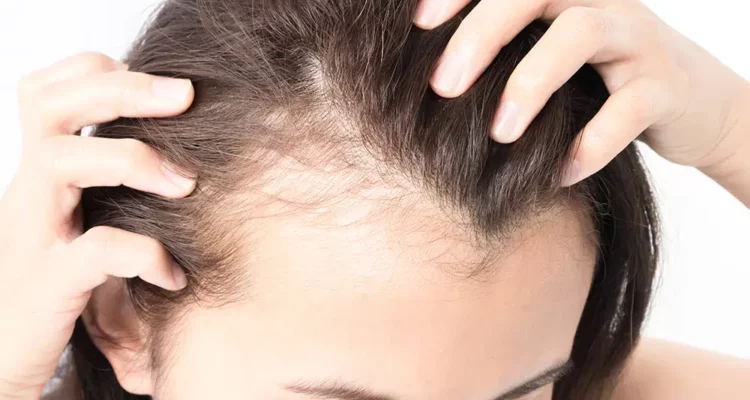

Hair loss is a common concern, especially as people age. In many cases—particularly for men—it’s largely genetic, leading to thinning hair or patterned baldness over time. It’s estimated that nearly 85% of men experience noticeable hair thinning by age 50, while around 40% of women face hair loss or thinning by 40.
That said, sudden or excessive hair loss may point to an underlying health issue and should be checked by a medical professional. Beyond the physical change, hair loss can also affect confidence and emotional well-being, sometimes leading to anxiety, low self-esteem, or even depression.
What Causes Hair Loss?
Losing 50–100 strands a day is normal, as new hair typically replaces what falls out. Problems arise when this natural cycle is disrupted or when hair follicles stop producing new strands altogether.
The most common cause is hereditary hair loss (androgenetic alopecia), which affects millions worldwide. However, several other factors can contribute, including:
- Hormonal changes (pregnancy, menopause, thyroid issues, PCOS)
- High levels of physical or emotional stress
- Harsh styling habits like tight hairstyles or excessive heat/chemical treatments
- Certain medications (for cancer, heart conditions, depression, etc.)
- Medical treatments such as chemotherapy or radiation
- Illnesses like anemia, autoimmune disorders, or scalp infections
- Nutritional deficiencies, eating disorders, or rapid weight loss
Signs to Watch For
Hair loss doesn’t always look the same. It may develop gradually or appear suddenly. Common warning signs include:
- Thinning hair, especially on the top of the head
- Receding hairline (often M-shaped in men)
- Widening part or patchy thinning in women
- Round or patchy bald spots
- Excessive shedding when brushing or washing
- Hair loss across the body (including eyebrows or beard)
- Scaly patches spreading on the scalp
How to Reduce Preventable Hair Loss
While genetic hair loss can’t always be avoided, you can still take steps to protect your hair and minimize damage:
- Be gentle when washing and brushing
- Use conditioner and a wide-tooth comb on wet hair
- Avoid tight hairstyles like buns, braids, or ponytails
- Limit heat styling and harsh chemical treatments
- Keep hair clean, trimmed, and well-maintained
- Protect hair from sun exposure and chlorine
- Avoid habits like pulling or twisting your hair
- Maintain a balanced diet for healthy hair growth
- Quit smoking, as it’s linked to hair loss
Treatment Options
Some people choose to embrace hair loss, while others explore ways to slow it down or restore growth. Today, there are several effective options available:
- Nutritional supplements and natural remedies
- Medicated shampoos and topical treatments
- Laser-based hair therapy
- Hair transplant procedures (including robotic methods)
Medical Solutions
Advanced treatments like Platelet-Rich Plasma (PRP) therapy are gaining popularity. This procedure uses your own blood platelets to stimulate inactive hair follicles and promote regrowth. Typically, multiple sessions are required over several weeks for best results.
When to See a Doctor
If you notice sudden, excessive, or patchy hair loss—especially in yourself or a child—it’s important to consult a doctor or dermatologist. These changes can sometimes signal an underlying health condition that needs attention.
Hair specialists can diagnose the root cause and guide you toward the most effective treatment plan, helping you regain not just your hair, but also your confidence.