
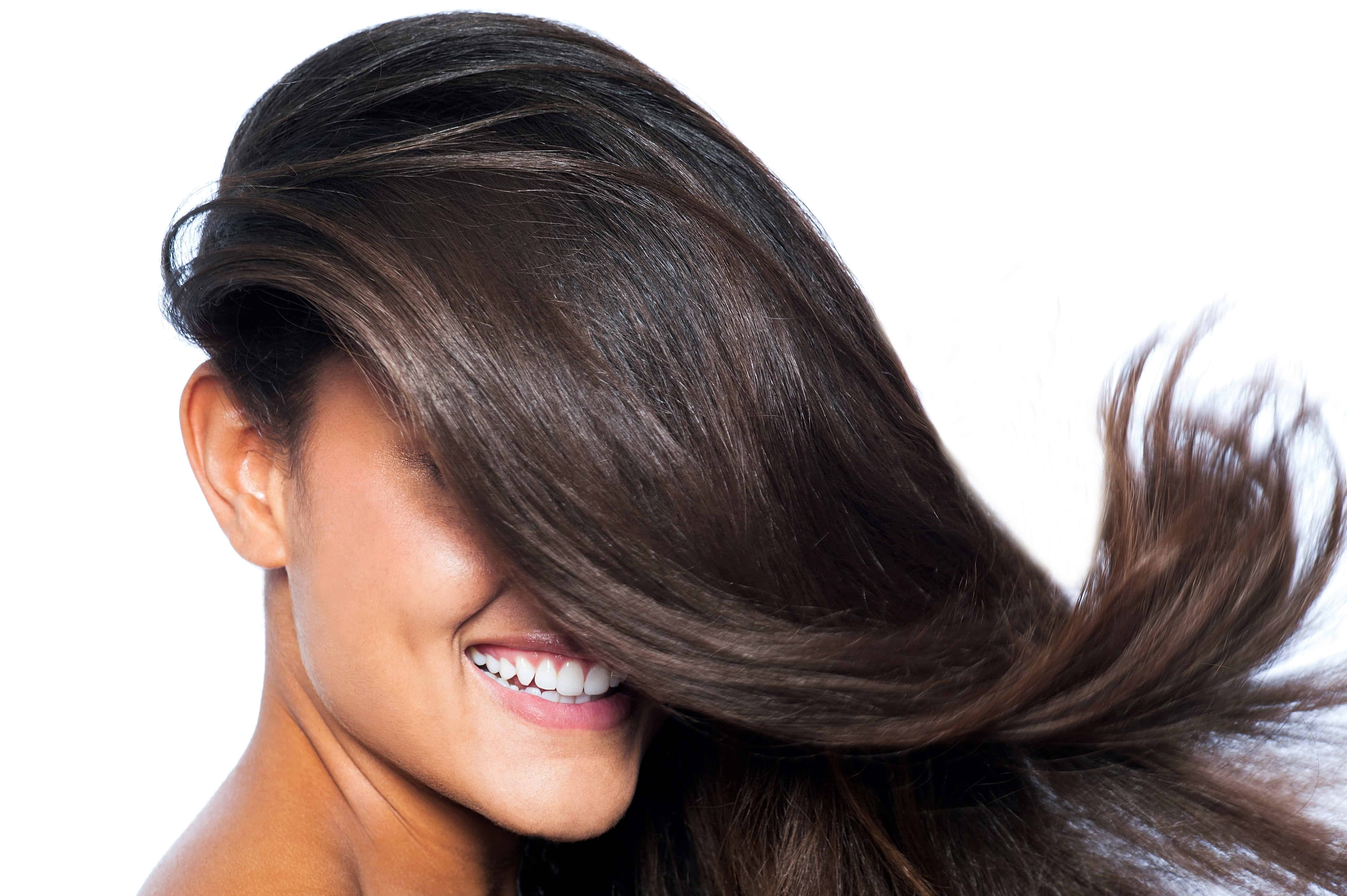
Healthy, shiny hair has long been associated with overall well-being, and in India, Ayurveda has played a significant role in haircare for thousands of years. Unlike modern haircare, which often focuses on treating visible symptoms, Ayurveda emphasizes balancing the body, mind, and lifestyle to support healthy hair from within. While many Ayurvedic practices have stood the test of time, experts also stress the importance of combining traditional wisdom with modern scientific understanding for the best results.
This article explores the principles of Ayurvedic haircare, common herbs and oils, traditional routines, and what experts recommend for maintaining healthy hair naturally.
Understanding Haircare Through Ayurveda
Ayurveda is an ancient system of medicine that views health as a balance between three biological energies, or doshas:
- Vata – Associated with dryness, roughness, and brittle hair.
- Pitta – Linked to heat, premature graying, thinning, and hair loss.
- Kapha – Connected to oiliness, dandruff, and scalp buildup.
According to Ayurvedic principles, hair health reflects the body’s internal balance. Poor digestion, stress, lack of sleep, nutritional deficiencies, and unhealthy lifestyle habits may contribute to hair-related concerns.
Rather than treating only the hair itself, Ayurveda aims to address the root causes affecting overall wellness.
The Importance of Scalp Health
Experts agree that a healthy scalp is essential for healthy hair growth. Ayurveda considers the scalp to be nourished through proper circulation and balanced body functions.
Traditional Ayurvedic scalp care includes:
- Regular oil massage
- Gentle cleansing
- Keeping the scalp free from excess buildup
- Managing stress
- Eating nutrient-rich foods
Modern dermatologists also recognize that maintaining a clean and healthy scalp supports stronger hair growth and reduces irritation.
Ayurvedic Oils for Haircare
Hair oiling is one of Ayurveda’s most popular and enduring practices. Massaging warm herbal oils into the scalp is believed to nourish hair roots, improve circulation, and promote relaxation.
Coconut Oil
Coconut oil is widely used because it penetrates the hair shaft and helps reduce protein loss. It also moisturizes dry hair and protects it from environmental damage.
Bhringraj Oil
Known as the “King of Herbs” for hair, Bhringraj has traditionally been used to support hair growth, strengthen roots, and improve scalp health.
Amla Oil
Amla, or Indian gooseberry, is rich in vitamin C and antioxidants. Ayurvedic practitioners recommend it for improving hair strength, reducing premature graying, and enhancing shine.
Brahmi Oil
Brahmi is valued for its calming properties. Massaging Brahmi oil into the scalp may help reduce stress while nourishing hair follicles.
Sesame Oil
Sesame oil is commonly used in Ayurvedic treatments because of its warming properties. It helps moisturize the scalp and supports overall scalp health.
Powerful Ayurvedic Herbs for Hair
Several herbs have been traditionally used in Ayurvedic haircare routines.
Amla
Amla supports collagen production and provides antioxidants that help protect hair from damage. It is often used in oils, powders, and hair masks.
Bhringraj
Bhringraj is believed to improve scalp circulation and strengthen hair roots, making it a popular ingredient in Ayurvedic formulations.
Fenugreek (Methi)
Fenugreek seeds contain protein, iron, and essential nutrients that may help reduce hair breakage and improve hair texture.
Neem
Neem possesses natural cleansing and antimicrobial properties. It is commonly used to help manage dandruff and maintain scalp hygiene.
Hibiscus
Hibiscus flowers and leaves are traditionally used to condition hair, reduce dryness, and enhance softness and shine.
Ayurvedic Haircare Practices
Regular Oil Massage
Applying warm oil to the scalp once or twice a week is a cornerstone of Ayurvedic haircare. Gentle massage stimulates blood circulation and promotes relaxation.
Herbal Hair Cleansing
Instead of harsh shampoos, Ayurveda traditionally uses natural cleansers such as:
- Shikakai
- Reetha (Soapnut)
- Amla powder
These ingredients gently cleanse the scalp without stripping away natural oils.
Hair Masks
Homemade hair masks made from herbs, yogurt, aloe vera, hibiscus, or fenugreek are commonly used to nourish hair naturally.
Proper Sleep
Ayurveda places great importance on restful sleep. Poor sleep increases stress hormones, which may contribute to hair thinning and excessive shedding.
Stress Management
Meditation, yoga, breathing exercises (Pranayama), and mindfulness are often recommended to reduce stress, a known factor in many types of hair loss.
Nutrition: Beauty Begins Within
According to Ayurveda, healthy hair depends on proper nutrition and digestion. Experts emphasize eating a balanced diet rich in essential vitamins, minerals, and proteins.
Foods that support healthy hair include:
- Fresh fruits
- Green leafy vegetables
- Nuts and seeds
- Whole grains
- Lentils
- Healthy fats
- Dairy products (if tolerated)
Staying hydrated is equally important, as dehydration can contribute to dry hair and scalp.
Modern Science and Ayurvedic Haircare
Many Ayurvedic ingredients are now being studied for their potential benefits. Research suggests that certain natural oils may help reduce protein loss in hair, while herbs like amla and neem contain antioxidants and plant compounds that support scalp health.
However, experts caution that Ayurvedic remedies are not miracle cures. Hair loss can result from genetics, hormonal changes, nutritional deficiencies, thyroid disorders, autoimmune conditions, or other medical issues. Persistent or severe hair problems should be evaluated by a qualified healthcare professional or dermatologist.
Combining evidence-based medical advice with safe Ayurvedic practices often provides the most balanced approach to hair care.
Tips for Incorporating Ayurveda Into Your Routine
If you’re interested in Ayurvedic haircare, consider these practical tips:
- Massage your scalp with warm herbal oil once or twice a week.
- Use mild shampoos that preserve your scalp’s natural moisture.
- Eat a nutrient-rich, balanced diet.
- Stay hydrated throughout the day.
- Manage stress through yoga, meditation, or regular exercise.
- Get 7–9 hours of quality sleep each night.
- Avoid excessive heat styling and harsh chemical treatments.
- Consult a healthcare professional if you notice sudden or significant hair loss.
Conclusion
Ayurveda offers a holistic approach to haircare that goes beyond cosmetics by focusing on overall health, nutrition, and lifestyle. Time-honored practices such as scalp oiling, herbal cleansing, stress management, and balanced nutrition continue to appeal to people seeking natural ways to care for their hair.
While modern science supports some traditional Ayurvedic ingredients, it is important to view these practices as part of a comprehensive haircare routine rather than a substitute for medical treatment. By blending ancient wisdom with evidence-based care, individuals can build a sustainable routine that promotes healthier hair and a healthier lifestyle over the long term.