
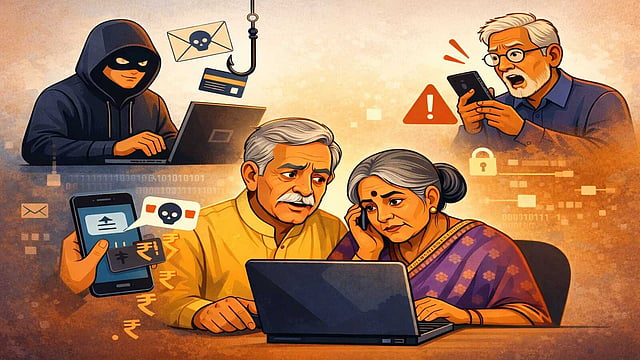
The digital world has made everyday life easier than ever. From online banking and digital payments to video calls and instant messaging, technology helps people stay connected and manage finances conveniently. However, as digital adoption continues to grow, so does the threat of cybercrime.
Senior citizens are increasingly becoming targets of online fraudsters who exploit trust, fear, and limited familiarity with emerging digital threats. One particularly concerning trend is the rise of digital arrest scams, where criminals impersonate law enforcement officials and pressure victims into transferring money.
This guide explains common cyber fraud tactics, how digital arrest scams work, why older adults are frequently targeted, and the practical steps seniors can take to stay safe online.
What Is Cyber Fraud?
Cyber fraud refers to criminal activities conducted through digital platforms such as computers, smartphones, email, social media, or the internet. The primary objective is usually to steal money, sensitive information, or personal identities.
Some of the most common forms of cyber fraud include:
Phishing Emails and Messages
Fraudsters send fake emails, text messages, or social media messages that appear to come from trusted organizations. These messages often contain malicious links or requests for confidential information.
OTP and Verification Code Scams
Scammers attempt to obtain one-time passwords (OTPs) or verification codes, allowing them to gain unauthorized access to bank accounts and digital wallets.
Fake Technical Support Frauds
Criminals pose as customer support representatives from well-known companies and convince victims to pay for non-existent technical issues or services.
Prize and Lottery Scams
Victims are informed that they have won a lottery, reward, or prize but must first pay processing fees or taxes before receiving it.
Identity and Impersonation Scams
Fraudsters pretend to be relatives, government officials, bank employees, or other trusted individuals to manipulate victims into revealing information or sending money.
The consequences of cyber fraud extend beyond financial losses. Victims often experience stress, anxiety, loss of confidence, and emotional distress.
What Are Digital Arrest Scams?
Digital arrest scams have emerged as one of the most sophisticated forms of online fraud targeting senior citizens.
These scams typically follow a carefully planned sequence designed to create fear and urgency.
How Digital Arrest Scams Usually Work
1. Initial Contact
The victim receives a phone call or video call from someone claiming to be a police officer, government investigator, central agency representative, or financial regulator.
To appear convincing, scammers may use fake identification, uniforms, forged documents, or official-sounding language.
2. False Allegations
The caller accuses the victim of involvement in serious crimes such as:
- Money laundering
- Drug trafficking
- Tax evasion
- Financial fraud
- Identity theft
3. The “Digital Arrest”
The fraudster claims that the victim is under investigation or “digitally arrested” and must remain connected through video calls until the issue is resolved.
4. Demand for Money
Victims are instructed to transfer funds to so-called “secure” or “verification” accounts to prove innocence or avoid legal action.
5. Pressure and Urgency
Scammers insist that immediate action is required, creating panic and preventing victims from thinking rationally.
6. Isolation Tactics
Victims are often told not to discuss the matter with family members, friends, lawyers, or local authorities.
These scams are entirely fraudulent. Legitimate government agencies, law enforcement departments, and regulatory authorities do not demand money transfers, OTPs, or confidential banking information through phone or video calls.
Why Senior Citizens Are Frequently Targeted
Cybercriminals often tailor their scams to exploit the vulnerabilities of older adults.
Limited Familiarity with Evolving Technology
While many seniors actively use smartphones, online banking, and digital payment services, they may not always be aware of the latest cyber threats and scam techniques.
This knowledge gap can make it more difficult to distinguish between legitimate communications and fraudulent attempts.
Financial Stability
Many retirees have accumulated savings, pensions, investments, or fixed deposits over the years.
Fraudsters often view senior citizens as attractive targets because they may have access to substantial financial resources.
Trust in Authority
Older generations generally place a high level of trust in officials, institutions, and professional communication.
Scammers exploit this trust by impersonating:
- Police officers
- Government agencies
- Banking representatives
- Tax authorities
- Regulatory bodies
Social Isolation
Some senior citizens live independently or have limited daily interaction with family members.
Fraudsters take advantage of this situation by discouraging victims from seeking advice or discussing the situation with others.
Psychological Manipulation
Cybercriminals use carefully crafted emotional tactics, including:
- Fear of arrest
- Threats of legal action
- Urgent deadlines
- Claims of account suspension
- Pressure to act immediately
Under stress, victims may make decisions they would otherwise question.
Six Essential Cyber Safety Tips for Senior Citizens
Taking a few simple precautions can significantly reduce the risk of becoming a victim of cyber fraud.
1. End Suspicious Calls Immediately
If someone claims to be a police officer, bank employee, government official, or investigator and begins requesting money or personal information, disconnect the call immediately.
Legitimate organizations do not pressure individuals for payments over the phone.
2. Never Share Sensitive Information
Keep the following details strictly private:
- OTPs
- Banking passwords
- Debit or credit card PINs
- Aadhaar information
- PAN details
- Online banking credentials
No legitimate institution will ask for these details through unsolicited calls or messages.
3. Verify Before Taking Action
Before responding to any alarming claim:
- Contact a trusted family member.
- Speak with your bank directly using official contact details.
- Visit your local police station if necessary.
A quick verification can prevent significant financial losses.
4. Report Fraud Immediately
Prompt reporting increases the likelihood of preventing further damage and helps authorities track criminal activities.
Victims should report cyber fraud through official cybercrime reporting channels and helplines as soon as possible.
5. Keep Devices Secure
Good cybersecurity habits include:
- Installing trusted antivirus software
- Updating devices regularly
- Enabling two-factor authentication
- Using strong passwords
- Avoiding suspicious links and downloads
These measures provide additional protection against cyber threats.
6. Participate in Digital Safety Awareness Programs
Many organizations, banks, community groups, and insurance providers conduct workshops and awareness sessions focused on online safety.
These programs help seniors:
- Recognize emerging scams
- Learn safe online practices
- Build confidence using digital services
- Stay informed about new fraud tactics
Dedicated Support for Senior Citizens
To make assistance more accessible, specialized customer support channels are often available for senior citizens through various organizations and service providers.
Dedicated helplines and email support systems can help older adults:
- Resolve service-related concerns
- Receive guidance on account-related issues
- Access priority support
- Obtain information in a simplified manner
When seeking assistance, always use verified contact details obtained directly from the organization’s official website or policy documents.
Additional Safety Reminders
To further strengthen online security:
- Review app permissions regularly.
- Avoid installing unknown applications.
- Never share identity documents unless required through verified channels.
- Be cautious of unexpected links received through messaging apps.
- Monitor bank account activity frequently.
- Discuss unusual requests with family members before taking action.
Final Thoughts
Cyber fraud and digital arrest scams continue to evolve, targeting individuals through fear, urgency, and deception. Senior citizens can significantly reduce their risk by staying informed, protecting personal information, verifying suspicious communications, and reporting fraud attempts promptly.
Digital technology offers tremendous convenience and opportunities for connection. By combining awareness, caution, and strong security practices, seniors can confidently enjoy the benefits of the digital world while protecting themselves from online threats.
Staying alert today is one of the best defenses against tomorrow’s cyber scams.