
Introduction
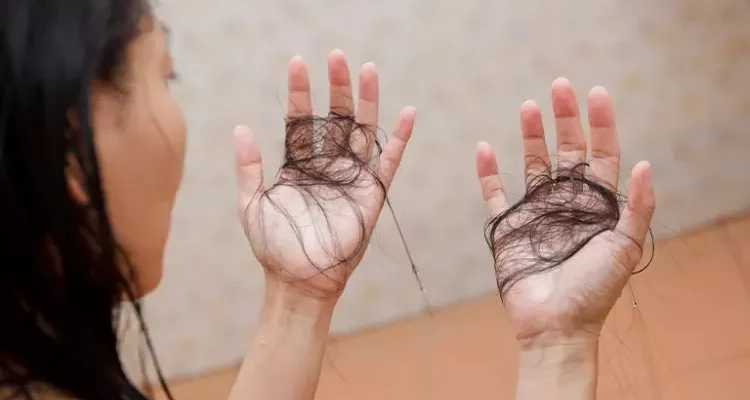
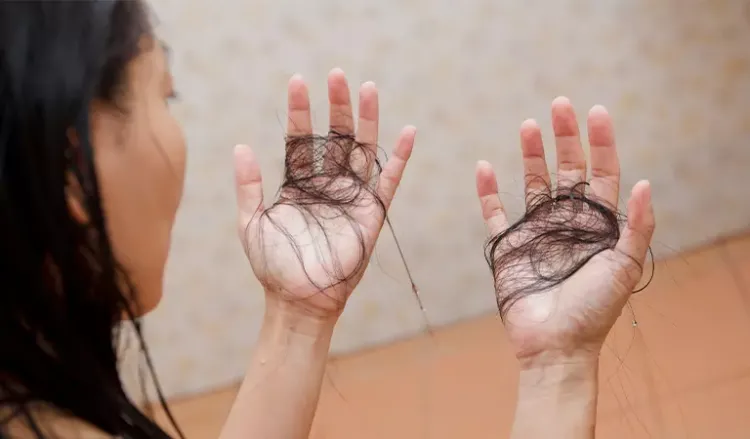
The monsoon season brings welcome relief from the summer heat, but it also introduces challenges for hair health. Increased humidity, damp weather, and scalp infections often make people notice more hair strands falling out while washing or combing. While some seasonal hair shedding is completely normal, excessive hair loss may signal an underlying condition that requires professional attention. Understanding the difference between normal monsoon hair fall and warning signs can help you protect your hair and seek timely treatment when needed.
Why Does Hair Fall Increase During Monsoon?
Many people experience slightly increased hair shedding during the rainy season. Humidity can weaken hair strands, while constant exposure to moisture may lead to scalp issues such as dandruff, fungal infections, or excess oil production. Rainwater mixed with environmental pollutants may also irritate the scalp if not washed away properly.
Additionally, seasonal changes can temporarily affect the natural hair growth cycle, leading to increased shedding for a few weeks. This type of hair fall is generally temporary and improves once the season changes.
What Is Considered Normal Hair Fall?
It is normal for people to lose around 50 to 100 hairs per day as part of the natural hair growth cycle. During the monsoon, you may notice slightly more hair falling because wet hair appears more noticeable during washing or brushing.
Normal seasonal hair fall usually has these characteristics:
- Hair shedding is mild and temporary.
- There are no visible bald patches.
- Hair thickness remains largely unchanged.
- Hair fall gradually decreases after a few weeks.
- The scalp remains healthy without severe itching or inflammation.
In most cases, this seasonal shedding does not require medical treatment and can be managed with proper hair care.
Signs That You Should See a Trichologist
A trichologist specializes in hair and scalp health. While seasonal hair fall is common, certain symptoms should not be ignored.
Consider consulting a trichologist if you notice:
- Hair loss lasting longer than six to eight weeks.
- Hair falling out in large clumps.
- Visible thinning of the scalp or widening hair part.
- Bald patches or uneven hair loss.
- Persistent dandruff that does not improve.
- Severe scalp itching, redness, or pain.
- Excessive hair breakage along with hair fall.
- Sudden hair loss following illness, stress, or medication.
Early evaluation can identify the underlying cause and prevent further hair loss.
Common Causes of Excessive Hair Loss
Several factors beyond seasonal changes may contribute to significant hair fall during the monsoon, including:
Nutritional Deficiencies
Low levels of iron, vitamin D, vitamin B12, protein, or zinc can weaken hair follicles and increase shedding.
Hormonal Changes
Conditions such as thyroid disorders, polycystic ovary syndrome (PCOS), pregnancy, or menopause may trigger excessive hair loss.
Scalp Conditions
Fungal infections, psoriasis, seborrheic dermatitis, and severe dandruff can damage the scalp and weaken hair roots.
Stress
Physical or emotional stress may push more hair follicles into the shedding phase, causing noticeable hair loss several weeks later.
Genetics
Pattern hair loss caused by hereditary factors can become more noticeable during seasonal shedding.
Tips to Reduce Hair Fall During Monsoon
Healthy hair care habits can help minimize seasonal shedding and maintain scalp health.
- Wash your hair regularly with a mild shampoo to remove sweat, dirt, and excess oil.
- Dry your scalp thoroughly after getting wet in the rain.
- Avoid tying wet hair, as it increases breakage and fungal growth.
- Eat a balanced diet rich in protein, iron, vitamins, and healthy fats.
- Limit the use of excessive heat styling and harsh chemical treatments.
- Massage your scalp gently to improve blood circulation.
- Use a wide-tooth comb to reduce hair breakage.
- Manage stress through regular exercise, adequate sleep, and relaxation techniques.
How a Trichologist Can Help
If hair loss becomes excessive, a trichologist will assess your scalp, review your medical history, and identify possible causes. They may recommend scalp treatments, hair care routines, lifestyle changes, or advise consultation with a dermatologist or physician if an underlying medical condition is suspected.
Professional guidance ensures that treatment is based on the actual cause rather than relying on ineffective home remedies.
Conclusion
Some increase in hair fall during the monsoon is completely normal and usually temporary. However, persistent, severe, or patchy hair loss should never be ignored. Recognizing the difference between seasonal shedding and signs of an underlying problem allows you to take the right steps at the right time. By maintaining good scalp hygiene, following a healthy lifestyle, and consulting a trichologist when necessary, you can keep your hair healthy throughout the rainy season and beyond.