
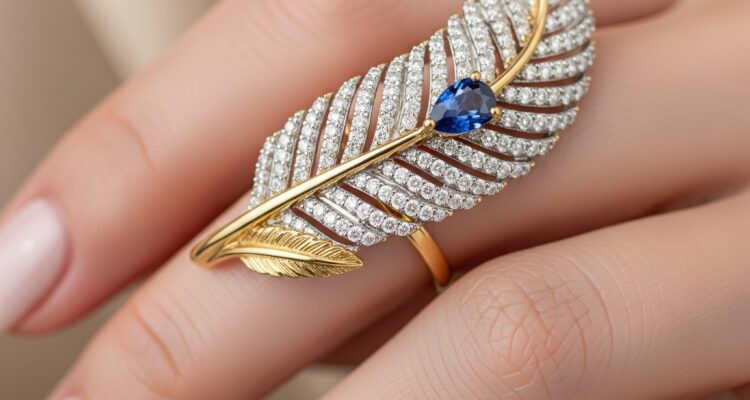

Janmashtami is one of the most celebrated Hindu festivals, marking the birth of Lord Krishna. Across India and many other parts of the world, devotees observe the occasion with prayers, devotional music, fasting, temple visits, decorations, and cultural celebrations. Jewellery also has an important place in Janmashtami traditions, particularly pieces inspired by Krishna’s iconic appearance and stories.
Krishna-inspired jewellery is more than decorative fashion. Designs featuring peacock feathers, flutes, lotus flowers, crowns, and other symbolic elements often carry cultural and spiritual meanings. Understanding these details can make wearing Janmashtami jewellery a more meaningful experience.
The Cultural Significance of Janmashtami Jewellery
Jewellery has traditionally been associated with celebration, devotion, and personal expression. During Janmashtami, Krishna-inspired ornaments can reflect a devotee’s affection and reverence for Lord Krishna.
These designs may be worn during temple visits, family celebrations, devotional events, cultural programs, or festive gatherings. Some people choose subtle jewellery for everyday wear, while others prefer elaborate pieces that complement traditional clothing.
The symbolism behind the design is often just as important as its appearance.
Krishna’s Iconic Crown and Mukut
One of the most recognizable symbols associated with Lord Krishna is his crown or mukut. Artistic representations of Krishna frequently show him wearing a decorated crown adorned with a peacock feather.
Jewellery inspired by Krishna’s mukut may incorporate crown-like shapes, gemstones, intricate metalwork, or miniature peacock feathers.
Such designs immediately connect the wearer or ornament with Krishna’s traditional imagery and can be particularly popular during Janmashtami celebrations.
The Meaning of the Peacock Feather
The peacock feather is perhaps the most recognizable element of Krishna-inspired design.
Lord Krishna is traditionally depicted wearing a peacock feather in his crown. In religious and cultural interpretations, the peacock feather is associated with beauty, grace, nature, and divine symbolism.
Jewellery designers often use the distinctive shape and colors of the feather as inspiration for earrings, pendants, necklaces, bracelets, and hair accessories.
A peacock-feather pendant can therefore function as both a fashionable accessory and a subtle expression of devotion.
The Flute as a Symbol
Krishna’s flute, or bansuri, is another powerful symbol.
Stories and devotional traditions describe Krishna’s flute music as captivating people, animals, and nature around him. As a jewellery motif, the flute represents music, love, attraction, and spiritual connection.
Flute-inspired pendants can be particularly elegant because the design can remain simple while still carrying strong cultural meaning.
A small flute charm may be suitable for everyday use, while larger decorative pieces can complement traditional festive clothing.
Lotus-Inspired Designs
The lotus is an important symbol in Indian religious and cultural traditions. It is associated with purity, beauty, spiritual growth, and the ability to remain untouched by the difficulties represented by muddy water.
Krishna-inspired jewellery may incorporate lotus motifs alongside other devotional symbols.
Lotus earrings, pendants, and necklaces can therefore complement Janmashtami outfits while adding another layer of symbolic meaning.
Radha-Krishna Jewellery
Radha and Krishna represent one of the most beloved themes in devotional art.
Jewellery inspired by Radha-Krishna may feature miniature figures, intertwined motifs, hearts, flutes, flowers, or other decorative elements associated with their stories.
For many devotees, Radha-Krishna jewellery represents divine love, devotion, companionship, and spiritual connection.
These designs can be particularly meaningful as gifts for family members or loved ones during Janmashtami.
Cow and Calf Motifs
Krishna is traditionally associated with cows and his childhood as a cowherd in Vrindavan.
As a result, cow and calf motifs sometimes appear in Krishna-inspired decorative art and jewellery.
Such designs connect the wearer with stories of Krishna’s childhood and his close relationship with nature and pastoral life.
These motifs can be especially appealing for people who prefer jewellery with a traditional rather than purely ornamental appearance.
Janmashtami Jewellery for Children
Children often participate enthusiastically in Janmashtami celebrations, including Krishna-themed performances and dress-up activities.
Lightweight jewellery inspired by Krishna’s crown, flute, or peacock feather can complement children’s festive outfits.
Safety should be a priority when selecting jewellery for young children. Parents should choose age-appropriate pieces without sharp edges, easily detachable small components, or materials that could create a choking risk.
Traditional Materials and Modern Designs
Krishna-inspired jewellery is available in many different styles.
Traditional pieces may use gold, silver, pearls, gemstones, or detailed handcrafted metalwork. More affordable contemporary designs may use imitation jewellery, brass, alloy, beads, enamel, or plated materials.
Modern designers also combine traditional symbols with minimalist shapes. A simple flute pendant or small peacock-feather charm can provide a subtle Krishna-inspired look without appearing overly elaborate.
This makes devotional jewellery suitable for both festive occasions and everyday outfits.
Choosing Jewellery for Janmashtami
When choosing a Krishna-inspired piece, consider both its symbolism and your personal style.
A few popular choices include:
- Peacock-feather earrings
- Flute pendants
- Radha-Krishna necklaces
- Lotus-inspired earrings
- Krishna mukut-inspired accessories
- Cow and calf motifs
- Krishna-themed bracelets
- Traditional temple jewellery
The choice can depend on the outfit, occasion, comfort, and level of traditional detail desired.
Pairing Jewellery With Festive Clothing
Janmashtami jewellery can complement traditional Indian clothing such as sarees, lehengas, salwar suits, kurtas, and dhotis.
For women, a peacock-feather pendant or traditional earrings can work well with a festive saree or lehenga. Men may choose a subtle Krishna-themed pendant, bracelet, or brooch.
Children dressed as Krishna can be styled with traditional accessories inspired by the deity’s familiar appearance.
The key is to create a balanced look rather than allowing accessories to overwhelm the overall outfit.
Jewellery as a Meaningful Gift
Krishna-inspired jewellery can also make a thoughtful festive gift.
Instead of selecting a piece solely for its appearance, choosing one based on its symbolism can make the gift more personal. A flute pendant may represent devotion and divine music, while a peacock-feather design can evoke Krishna’s iconic appearance.
Adding a personal message explaining the symbolism can make the gift even more meaningful.
Respecting Religious Symbolism
Because Krishna-inspired jewellery uses religious imagery, it is worth considering how and where such pieces are worn.
People may have different traditions and expectations regarding religious symbols. Treating devotional designs respectfully helps preserve their cultural significance.
When purchasing handmade or traditional jewellery, buyers may also want to learn about the craftsmanship and cultural inspiration behind the design.
Conclusion
Janmashtami jewellery combines fashion, cultural heritage, artistic expression, and religious symbolism. Designs inspired by Krishna’s peacock feather, flute, crown, lotus, cows, and Radha-Krishna stories can transform a beautiful accessory into something with deeper meaning.
Whether you choose an elaborate traditional necklace or a simple contemporary pendant, understanding the symbolism behind the design can make it more meaningful.
During Janmashtami, Krishna-inspired jewellery is ultimately more than an ornament. It can serve as a reminder of devotion, love, beauty, music, tradition, and the enduring cultural stories associated with Lord Krishna.