
What Is Hair Loss?
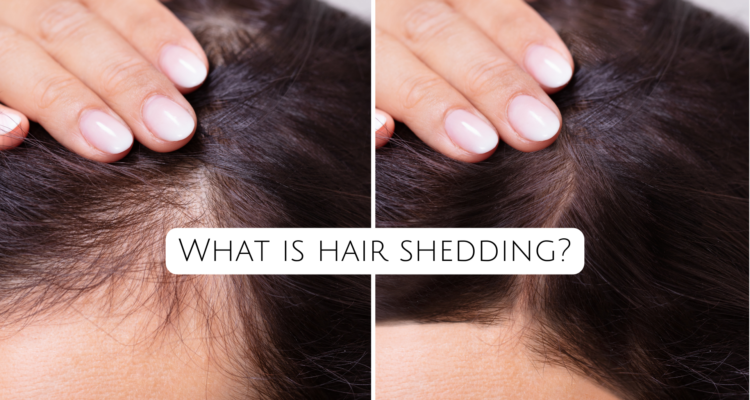
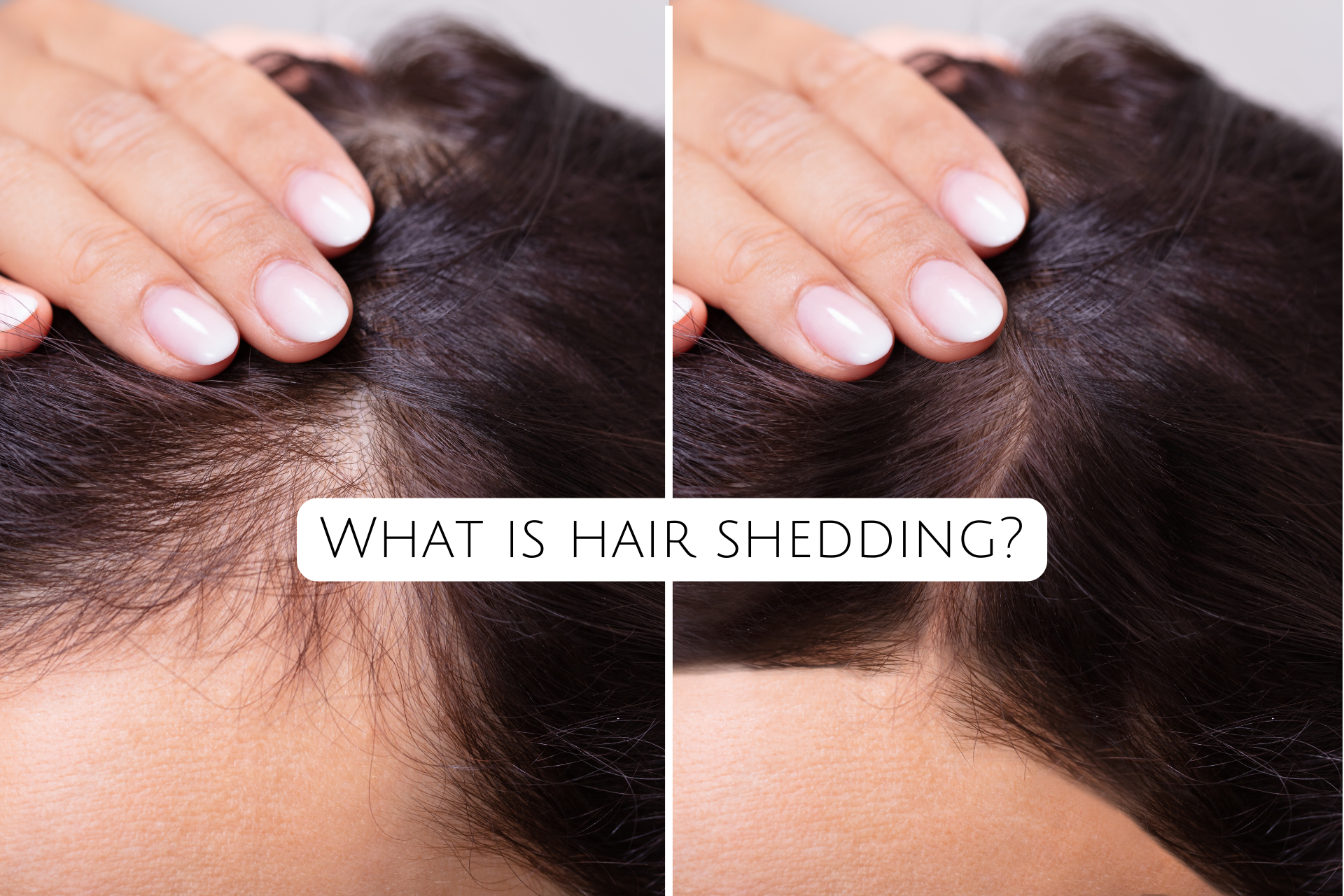
Hair loss occurs when hair follicles stop producing new hair normally or when the hair growth cycle becomes disrupted. Unlike ordinary shedding, hair loss can lead to visible thinning, reduced hair density, and bald patches.
Hair loss may develop gradually or suddenly, depending on its underlying cause.
Some common forms include:
- Androgenetic Alopecia: A hereditary condition commonly known as male-pattern or female-pattern hair loss.
- Alopecia Areata: An autoimmune condition that causes patchy hair loss.
- Telogen Effluvium: Excessive shedding triggered by physical or emotional stress, illness, hormonal changes, or nutritional deficiencies.
- Traction Alopecia: Hair loss caused by repeated pulling from tight hairstyles.
- Scarring Alopecia: A group of conditions that damage hair follicles and may cause permanent hair loss.
Identifying the type of hair loss is important because different conditions require different treatments.
3. Hair Shedding vs Hair Loss: Key Differences
Although hair shedding and hair loss may appear similar, several characteristics can help distinguish them.
| Feature | Normal Hair Shedding | Hair Loss |
|---|---|---|
| Hair fall | Usually 50–100 hairs daily | May be excessive or persistent |
| Hair density | Generally remains stable | Gradually decreases |
| Hairline | Usually unchanged | May recede |
| Bald patches | Not typical | Can develop |
| New growth | Usually replaces shed hair | May be reduced or absent |
| Duration | Part of the normal cycle | Can be temporary or permanent |
One important point is that excessive shedding can also cause noticeable thinning. Therefore, the amount of hair falling out alone is not enough to determine whether someone has a hair loss condition.
4. Common Causes of Excessive Hair Shedding
Several temporary factors can increase the amount of hair falling out.
Physical or Emotional Stress
Major life changes, emotional stress, surgery, serious illness, and physical trauma can disturb the normal hair growth cycle. This may trigger a condition called telogen effluvium.
In many cases, increased shedding becomes noticeable two to three months after the triggering event.
Nutritional Deficiencies
Insufficient intake of important nutrients may affect healthy hair growth. Iron deficiency, inadequate protein intake, and certain vitamin deficiencies can contribute to excessive shedding.
A balanced diet is important for maintaining healthy hair follicles.
Hormonal Changes
Pregnancy, childbirth, menopause, thyroid disorders, and other hormonal changes can influence the hair growth cycle.
Postpartum hair shedding, for example, is relatively common and often improves naturally over time.
Illness and Medication
High fever, certain infections, major medical procedures, and some medications may trigger temporary hair shedding. Anyone concerned about medication-related hair changes should consult their healthcare professional rather than stopping prescribed treatment independently.
5. Common Signs of Actual Hair Loss
Recognising the warning signs of hair loss can help you seek treatment early.
Some common symptoms include:
- Gradual thinning around the crown.
- A receding hairline.
- A widening parting in women.
- Visible bald patches on the scalp.
- Reduced hair volume over several months.
- Hair becoming progressively thinner.
- Loss of eyebrow or body hair in certain conditions.
If you notice these changes, consider consulting a dermatologist for an accurate diagnosis.
6. How to Tell Whether You Are Experiencing Hair Shedding or Hair Loss
There are several practical ways to observe changes in your hair.
Monitor Your Hair Density
Take photographs of your scalp, hairline, and crown under consistent lighting. Compare them every few weeks to identify changes in thickness or coverage.
Observe Your Hairline
A gradually receding hairline or widening parting may indicate a pattern of hair loss rather than ordinary shedding.
Check for Bald Patches
Sudden, clearly defined bald patches are not typical of normal shedding. They may indicate alopecia areata or another scalp condition.
Notice How Long the Problem Lasts
Temporary shedding may improve once the underlying trigger is addressed. Persistent or progressive thinning deserves medical evaluation.
Look for Other Symptoms
Scalp itching, redness, pain, scaling, or inflammation may indicate an underlying scalp condition. These symptoms should not be ignored.
7. Treatment Options for Hair Shedding and Hair Loss
Treatment depends on the underlying cause.
Improving Nutrition
Eating a balanced diet that includes protein, iron-rich foods, fruits, vegetables, and healthy fats can support normal hair growth.
Supplements should only be taken when a deficiency or specific medical need has been identified.
Managing Stress
Regular exercise, adequate sleep, relaxation techniques, and healthy daily routines may help reduce stress-related shedding.
Using Medically Recommended Treatments
Depending on the diagnosis, dermatologists may recommend treatments such as topical minoxidil for certain types of hair loss.
Other treatments may include prescription medications, corticosteroids for specific inflammatory or autoimmune conditions, or procedures such as hair transplantation.
Not every treatment is suitable for everyone. A dermatologist can recommend an appropriate approach based on age, sex, medical history, and the type of hair loss.
Treating Underlying Medical Conditions
If hair shedding is associated with thyroid problems, iron deficiency, hormonal imbalances, or another medical condition, treating the underlying issue may improve hair health.
8. Daily Hair Care Tips to Reduce Unnecessary Hair Damage
Healthy hair care habits can help prevent breakage and protect existing hair.
Consider following these simple practices:
- Use a gentle shampoo suitable for your scalp and hair type.
- Avoid excessive heat styling and frequent chemical treatments.
- Do not brush wet hair aggressively.
- Avoid hairstyles that pull tightly on the roots.
- Maintain a nutritious and balanced diet.
- Protect your scalp from excessive sun exposure.
- Avoid harsh treatments and unverified hair growth products.
- Wash your hair according to your scalp’s needs.
Remember that good hair care can reduce breakage, but it cannot reverse every medical cause of hair loss.
9. When Should You See a Dermatologist?
Occasional hair shedding is usually normal. However, professional medical advice is important when hair changes become noticeable or persistent.
Consult a dermatologist if you experience:
- Sudden or excessive hair shedding.
- Rapidly developing bald patches.
- Progressive thinning or a receding hairline.
- Scalp pain, redness, itching, or scaling.
- Hair loss accompanied by other unexplained symptoms.
- Hair shedding that continues for several months.
A dermatologist may examine your scalp, review your medical history, and recommend blood tests or other investigations when necessary.
Early diagnosis can help identify treatable conditions and prevent further damage to hair follicles.
10. Frequently Asked Questions (FAQs)
Is losing 100 hairs a day normal?
Yes. Losing approximately 50 to 100 hairs daily is generally considered normal for healthy adults. However, individual shedding patterns can vary.
Does hair shedding mean I am going bald?
No. Normal hair shedding does not necessarily mean you are going bald. New hair usually replaces the strands that fall out. Persistent thinning or reduced hair density may indicate a hair loss condition.
Can stress cause excessive hair shedding?
Yes. Significant physical or emotional stress can trigger telogen effluvium, a condition that causes increased hair shedding. It often develops a few months after the stressful event.
Can hair grow back after excessive shedding?
In many cases, yes. Temporary shedding caused by stress, illness, or nutritional deficiencies may improve once the underlying trigger is addressed. Recovery can take several months.
What is the difference between hair breakage and hair shedding?
Hair shedding involves complete hair strands falling from their follicles, often with a small club-shaped bulb at the root. Hair breakage occurs when strands snap along their length, resulting in shorter pieces of hair.
Conclusion
Understanding the difference between hair shedding and hair loss is essential for maintaining healthy hair and recognising potential problems early. Normal shedding is a natural part of the hair growth cycle, while actual hair loss may involve reduced hair density, a receding hairline, or visible bald patches.
Stress, nutritional deficiencies, hormonal changes, genetics, and medical conditions can all influence hair health. Paying attention to changes in your hair and maintaining healthy daily habits can make a difference.
If you experience persistent shedding, noticeable thinning, or sudden bald patches, consult a dermatologist. Identifying the underlying cause is the first step towards choosing the right treatment and supporting healthier hair growth.