
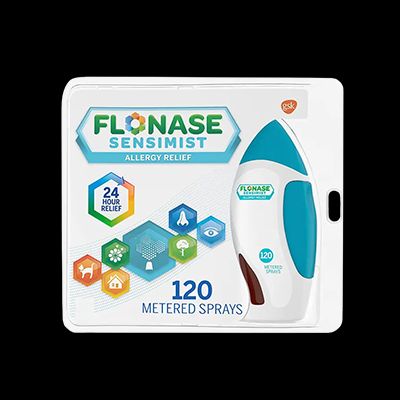
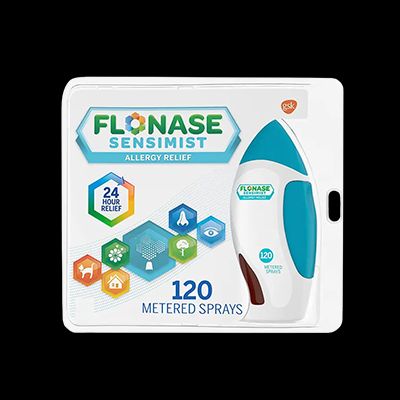
Nasal allergies can make everyday life uncomfortable. A blocked or runny nose, frequent sneezing, itching, and watery eyes can interfere with sleep, concentration, work, and outdoor activities. For many people, nasal allergy sprays are an important part of symptom management.
However, not every nasal spray works in the same way. Some are designed to reduce inflammation, while others provide quick relief from congestion. Choosing the right option depends on the symptoms, how frequently they occur, and the underlying cause.
This article explains the main types of nasal allergy sprays and what to consider when selecting one.
What Causes Nasal Allergy Symptoms?
Nasal allergies, commonly known as allergic rhinitis, occur when the immune system reacts to substances that are normally harmless. Common triggers include pollen, dust mites, mold, and animal dander.
When exposed to a trigger, the body releases chemicals such as histamine. This can cause inflammation inside the nasal passages and lead to symptoms such as:
- Sneezing
- Runny nose
- Nasal congestion
- Itchy nose
- Postnasal drip
- Watery or itchy eyes
Identifying the trigger can help determine the most appropriate treatment strategy.
Corticosteroid Nasal Sprays
For many people with persistent allergic rhinitis, corticosteroid nasal sprays are among the most effective options.
These sprays work by reducing inflammation inside the nose. They can help relieve several allergy symptoms, including congestion, sneezing, itching, and a runny nose.
Unlike some fast-acting decongestant sprays, corticosteroid sprays generally work best when used consistently. Their full benefit may take several days to develop.
They are particularly useful when nasal congestion is one of the main problems.
Antihistamine Nasal Sprays
Antihistamine sprays work by blocking the effects of histamine, one of the chemicals involved in allergic reactions.
They can be useful for symptoms such as sneezing, itching, and a runny nose. Some antihistamine nasal sprays can work relatively quickly compared with corticosteroid sprays.
For people whose symptoms are intermittent or who need relatively rapid relief, an antihistamine spray may be an option worth discussing with a healthcare professional.
Combination Nasal Sprays
Some prescription nasal sprays combine a corticosteroid with an antihistamine.
The combination can address inflammation as well as histamine-related symptoms. These products may be considered when a single type of nasal spray does not provide adequate relief.
Because combination products can have different ingredients and prescribing requirements, patients should follow the advice of their doctor or pharmacist.
Saline Nasal Sprays
Saline sprays contain a saltwater solution rather than an allergy medication.
They can help moisturize the nasal passages and wash away allergens, mucus, and irritants. Saline can be useful as part of a broader allergy-management routine.
For some people, saline rinses or sprays can provide additional comfort, particularly when the nose feels dry or irritated.
However, saline does not directly treat the underlying allergic inflammation in the same way as an allergy medication.
What About Decongestant Nasal Sprays?
Decongestant sprays can provide rapid relief from a blocked nose by narrowing swollen blood vessels inside the nasal passages.
Although they can be effective for short-term congestion, they are generally not intended for prolonged continuous use. Using certain topical decongestant sprays for too long can cause rebound congestion, in which the nose becomes congested again or even more congested after the medication wears off.
For this reason, people should follow the product instructions and ask a healthcare professional or pharmacist if they are unsure how long a decongestant spray should be used.
Choosing a Spray Based on Your Symptoms
The best nasal spray depends partly on which symptoms are most troublesome.
Mainly congestion: A corticosteroid spray may be particularly useful for allergy-related inflammation and persistent congestion.
Sneezing and itching: An antihistamine spray may help control histamine-related symptoms.
Multiple persistent symptoms: A corticosteroid or combination product may be considered depending on the individual’s situation.
Dry or irritated nose: Saline spray can help moisturize and cleanse the nasal passages.
Short-term severe congestion: A decongestant spray may provide temporary relief, but it should be used carefully and according to directions.
These are general categories rather than personal medical recommendations. The appropriate product can depend on age, other medicines, medical conditions, and the exact cause of the symptoms.
How to Use a Nasal Spray Correctly
Correct technique can make a significant difference.
Before using a medicated spray, gently clear the nose if necessary. Keep the head in a comfortable, slightly forward position rather than tipping it far backward.
Direct the nozzle slightly outward, away from the nasal septum in the center of the nose. Spray according to the product instructions and avoid immediately sniffing forcefully.
Incorrect technique can cause medication to run down the throat or increase irritation and nosebleeds.
Always follow the dosage and frequency specified on the product label or by your healthcare professional.
When Should You See a Doctor?
Persistent nasal symptoms are not always caused by allergies. Infections, non-allergic rhinitis, structural nasal problems, asthma, and other conditions can produce similar symptoms.
Consider speaking with a healthcare professional if symptoms are severe, persistent, frequently return, interfere significantly with sleep or daily activities, or do not improve with appropriate treatment.
Medical advice is especially important for children, pregnant people, people with other medical conditions, or anyone taking multiple medications.
Possible Side Effects
Nasal sprays can cause side effects depending on the active ingredient.
Some people may experience nasal dryness, irritation, an unpleasant taste, or minor nosebleeds. Proper technique can sometimes reduce irritation.
More serious or persistent side effects should be discussed with a healthcare professional. Patients should also check the product information carefully for age restrictions, contraindications, and drug interactions.
Combine Medication With Allergy Prevention
Medication is only one part of managing nasal allergies.
Reducing exposure to known triggers can also help. Depending on the trigger, useful measures may include keeping indoor spaces clean, reducing dust accumulation, washing bedding regularly, keeping windows closed during periods of high outdoor pollen, and limiting exposure to known allergens.
People with pet allergies may also benefit from strategies designed to reduce allergen exposure in the home.
Conclusion
There is no single nasal allergy spray that is best for everyone. The right choice depends on the type and severity of symptoms, how often they occur, and the individual’s health circumstances.
Corticosteroid sprays are commonly used for persistent allergic inflammation, antihistamine sprays can target histamine-related symptoms, saline sprays can help cleanse and moisturize the nose, and decongestant sprays may provide short-term relief from congestion but require careful use.
If you are uncertain which product is appropriate, a doctor or pharmacist can help match the treatment to your symptoms. Using the correct product consistently and with proper technique can make nasal allergy management considerably more effective.