

Polycystic Ovary Syndrome (PCOS) is one of the most common hormonal disorders affecting women of reproductive age. It can lead to irregular periods, weight gain, acne, excessive hair growth, insulin resistance, and fertility challenges. While there is no single cure for PCOS, lifestyle changes such as a balanced diet, regular exercise, stress management, and yoga can play an important role in managing its symptoms.
Yoga is particularly beneficial because it combines physical movement, controlled breathing, and mindfulness. Regular practice may help reduce stress, improve hormonal balance, support metabolism, and enhance overall well-being.
In this article, we’ll explore some of the best yoga poses for PCOS, how to perform them, their benefits, and helpful tips for beginners.
How Can Yoga Help with PCOS?
Stress is one of the factors that can worsen PCOS symptoms by increasing cortisol levels, which may affect hormone balance. Yoga promotes relaxation while improving flexibility, circulation, and muscle strength.
Potential benefits of yoga for women with PCOS include:
- Reducing stress and anxiety
- Supporting healthy hormone balance
- Improving blood circulation
- Increasing flexibility and strength
- Enhancing insulin sensitivity
- Helping with weight management
- Promoting better sleep
- Supporting reproductive health
While yoga can be a valuable part of a PCOS management plan, it should complement—not replace—medical treatment recommended by your healthcare provider.
1. Butterfly Pose (Baddha Konasana)
Steps
- Sit on the floor with your legs extended.
- Bend your knees and bring the soles of your feet together.
- Hold your feet with both hands.
- Sit tall and gently press your knees toward the floor.
- Hold the position for 30–60 seconds while breathing deeply.
Benefits
- Improves blood flow to the pelvic region
- Relieves tension in the hips
- Supports reproductive organ health
- Helps reduce stress
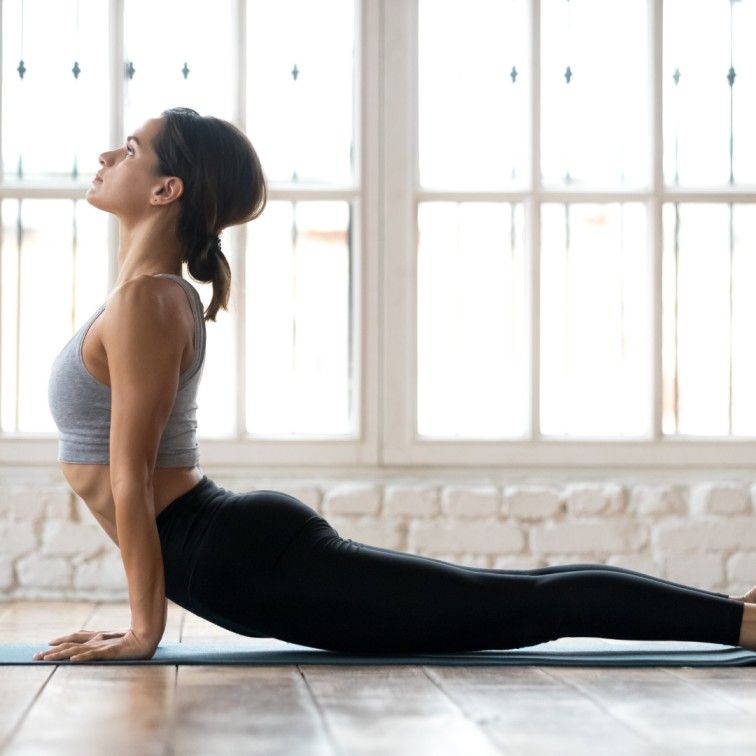
2. Cobra Pose (Bhujangasana)
Steps
- Lie on your stomach with your legs extended.
- Place your palms beside your shoulders.
- Inhale and slowly lift your chest while keeping your elbows slightly bent.
- Relax your shoulders away from your ears.
- Hold for 20–30 seconds before lowering.
Benefits
- Strengthens the back muscles
- Stimulates abdominal organs
- Improves posture
- May support ovarian function through improved circulation
3. Bridge Pose (Setu Bandhasana)
Steps
- Lie on your back with your knees bent.
- Keep your feet hip-width apart.
- Press your feet into the floor.
- Lift your hips toward the ceiling.
- Hold for 20–30 seconds while breathing normally.
Benefits
- Strengthens the lower back and glutes
- Stimulates the thyroid gland
- Improves pelvic circulation
- Helps relieve stress
4. Cat-Cow Pose (Marjaryasana-Bitilasana)
Steps
- Begin on your hands and knees.
- Inhale, arch your back, and lift your head (Cow Pose).
- Exhale, round your spine, and tuck your chin (Cat Pose).
- Continue alternating slowly for 1–2 minutes.
Benefits
- Improves spinal flexibility
- Gently massages abdominal organs
- Enhances blood circulation
- Reduces muscle stiffness
5. Child’s Pose (Balasana)
Steps
- Kneel on the floor and sit back on your heels.
- Stretch your arms forward.
- Lower your forehead toward the mat.
- Relax your entire body.
- Hold for one to three minutes.
Benefits
- Deeply relaxes the body
- Reduces stress and anxiety
- Relieves lower back tension
- Encourages mindful breathing
6. Bow Pose (Dhanurasana)
Steps
- Lie face down.
- Bend your knees and hold your ankles.
- Inhale and lift your chest and thighs off the floor.
- Keep your gaze forward.
- Hold for 15–20 seconds before releasing.
Benefits
- Strengthens the core
- Stimulates digestive organs
- Improves flexibility
- May help improve blood circulation to reproductive organs
7. Legs-Up-the-Wall Pose (Viparita Karani)
Steps
- Sit next to a wall.
- Lie on your back and extend your legs up the wall.
- Relax your arms by your sides.
- Close your eyes and breathe deeply.
- Stay in the pose for 5–10 minutes.
Benefits
- Promotes relaxation
- Improves blood circulation
- Helps reduce stress and fatigue
- Supports recovery after exercise
Tips for Practicing Yoga with PCOS
To get the most benefit from yoga:
- Practice consistently, aiming for 20–40 minutes most days of the week.
- Focus on slow, controlled breathing during each pose.
- Warm up before starting your routine.
- Avoid forcing stretches beyond your comfort level.
- Stay hydrated before and after your session.
- Wear comfortable clothing that allows free movement.
- Combine yoga with a balanced diet and regular physical activity for the best results.
If you’re new to yoga or have other medical conditions, consider learning from a qualified instructor and consult your healthcare provider before beginning a new exercise program.
Lifestyle Habits That Complement Yoga
Yoga works best as part of a healthy lifestyle. Women with PCOS may also benefit from:
- Eating a balanced diet rich in vegetables, fruits, lean protein, and whole grains
- Limiting highly processed foods and added sugars
- Getting 7–9 hours of quality sleep each night
- Managing stress through meditation or breathing exercises
- Engaging in regular aerobic and strength-training exercises
- Following prescribed medical treatments and attending regular health checkups
Conclusion
Yoga offers a gentle, effective way to support overall health while managing the symptoms of PCOS. Poses such as Butterfly Pose, Cobra Pose, Bridge Pose, Cat-Cow, Child’s Pose, Bow Pose, and Legs-Up-the-Wall can help improve flexibility, reduce stress, promote circulation, and support hormonal well-being. Although yoga is not a cure for PCOS, practicing it regularly alongside a healthy diet, regular exercise, and appropriate medical care can contribute to better physical and emotional health. Consistency, patience, and a holistic approach are key to achieving long-term benefits.