
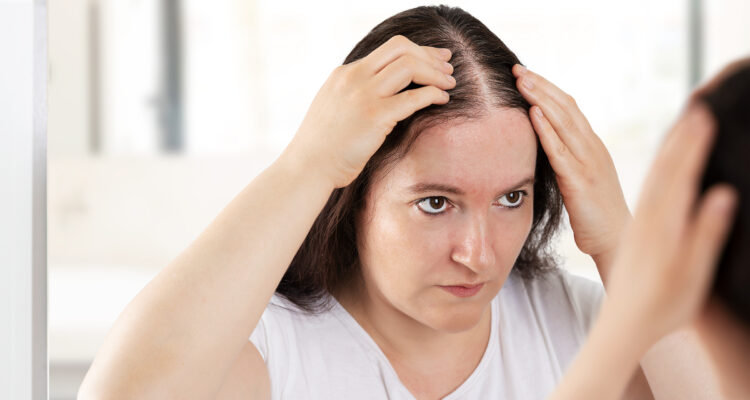
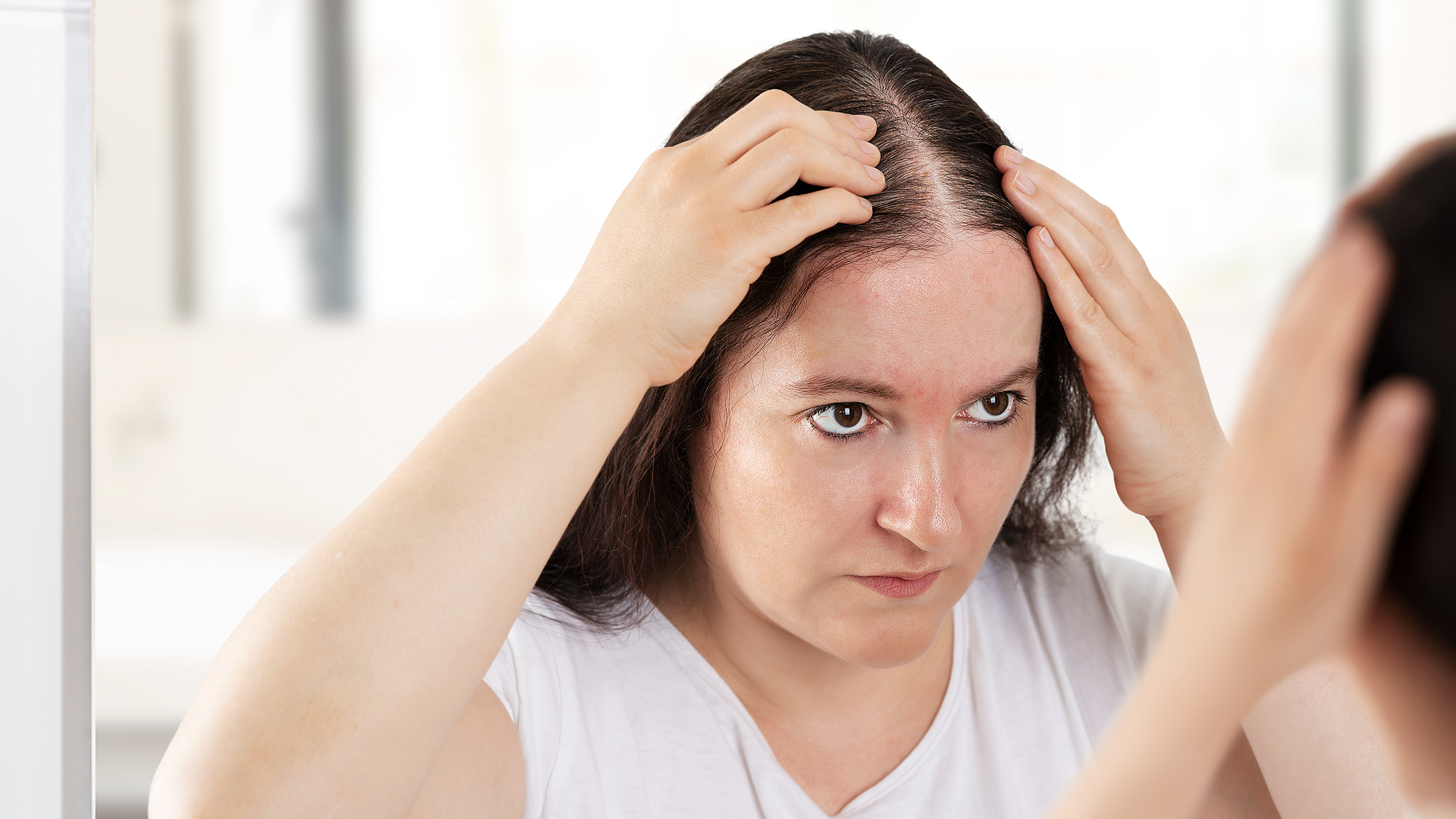
Hair shedding is a natural part of life. In fact, losing anywhere from 50 to 125 strands of hair each day is considered normal. However, if you’re noticing excessive hair in your brush, larger clumps in the shower drain, or visible thinning around your scalp, it may be more than routine shedding.
Female hair loss affects millions of women worldwide and can have a significant impact on confidence and self-esteem. The good news is that understanding the underlying cause can help you find the most effective treatment and slow or even reverse hair thinning.
Understanding the Hair Growth Cycle
To better understand hair loss, it helps to know how hair naturally grows.
Hair follicles go through three distinct phases:
1. Anagen Phase (Growth Stage)
This is the active growth period of the hair cycle. Hair remains in this phase for approximately two to eight years, continuously growing from the follicle.
2. Catagen Phase (Transition Stage)
During this short phase, hair growth slows and eventually stops. The follicle begins preparing for the shedding process.
3. Telogen Phase (Resting and Shedding Stage)
The hair strand is released from the follicle and falls out naturally. The follicle then rests for several months before beginning a new growth cycle with a fresh hair strand.
When this cycle becomes disrupted, excessive shedding or thinning can occur.
Common Causes of Female Hair Loss
Hair loss in women can result from a variety of factors, making it important to identify the underlying trigger.
Some of the most common causes include:
- Hormonal fluctuations
- Thyroid disorders
- Nutritional deficiencies
- Pregnancy and postpartum changes
- Chronic stress
- Certain medications
- Inflammatory conditions
- Tight hairstyles that pull on the scalp
Because multiple factors may contribute simultaneously, professional evaluation is often recommended when hair loss becomes noticeable.
Hormonal Imbalances and Hair Thinning
Hormones play a major role in maintaining healthy hair growth. When hormone levels become unbalanced, hair follicles can be affected.
Thyroid Disorders
Both overactive and underactive thyroid conditions can contribute to hair loss.
Hyperthyroidism Symptoms
- Unexplained weight loss
- Rapid heartbeat
- Anxiety or nervousness
- Difficulty sleeping
Hypothyroidism Symptoms
- Fatigue
- Weight gain
- Increased sensitivity to cold
- Constipation
- Slower heart rate
When thyroid hormone levels are restored through proper treatment, hair growth often improves over time.
Polycystic Ovary Syndrome (PCOS)
PCOS is another common hormonal condition linked to female hair loss. Women with PCOS often produce higher levels of androgens, commonly referred to as male hormones.
This hormonal imbalance may lead to:
- Thinning hair on the scalp
- Excess facial hair growth
- Increased body hair
- Irregular menstrual cycles
Addressing the hormonal imbalance can help reduce hair thinning and improve overall hair health.
If your hair loss is severe, sudden, or accompanied by other symptoms, consult a healthcare professional. Identifying and treating the underlying medical condition is often the first step toward restoring healthy hair growth.
Nutritional Deficiencies That Can Affect Hair Growth
Hair follicles require a steady supply of nutrients to function properly. Deficiencies in certain vitamins and minerals may contribute to excessive shedding and slower regrowth.
Key nutrients associated with healthy hair include:
- Vitamin D
- Iron
- Zinc
- Vitamin E
- Protein and amino acids
- Antioxidants
Vitamin D and Hair Health
Vitamin D plays a role in regulating hair follicle function.
Research has found a connection between low vitamin D levels and alopecia areata, an autoimmune condition that causes patchy hair loss. Individuals with insufficient vitamin D may benefit from supplementation under medical supervision.
Iron Deficiency and Hair Loss
Iron deficiency is one of the most common nutritional deficiencies worldwide and is frequently linked to hair thinning.
Iron supports cell growth and helps deliver oxygen throughout the body. When iron stores become depleted, hair follicles may struggle to produce new growth efficiently.
Groups at increased risk of iron deficiency include:
- Premenopausal women
- Postmenopausal women
- Vegetarians and vegans
- Individuals with digestive absorption issues
- People taking certain medications that affect nutrient absorption
Correcting iron deficiency can often improve hair growth and reduce excessive shedding.
Never self-diagnose vitamin or mineral deficiencies. Blood testing and professional guidance are important because excessive supplementation can be harmful and, in some cases, may worsen hair loss.
Medical Treatments for Female Hair Loss
The most effective treatment depends on the underlying cause. Once nutrient deficiencies, hormonal issues, or medical conditions are addressed, hair growth often begins to improve.
Several medical treatments are commonly recommended.
Minoxidil
Minoxidil is a topical treatment applied directly to the scalp. It helps prolong the active growth phase of hair follicles and is widely used for female pattern hair loss.
5-Alpha Reductase Inhibitors
These medications help reduce the effects of hormones that contribute to hair follicle shrinkage and thinning.
Platelet-Rich Plasma (PRP) Therapy
PRP treatment involves drawing a small amount of blood, isolating the platelet-rich portion, and injecting it into areas of hair thinning.
Platelets contain growth factors that may stimulate dormant hair follicles and encourage regrowth.
Natural Remedies for Hair Loss
Many women also explore natural approaches to support healthy hair growth. While results vary, some remedies have shown promising outcomes in early studies.
Onion Juice
Small clinical studies suggest that applying onion juice to the scalp may encourage hair regrowth in individuals with alopecia areata.
Saw Palmetto
Derived from a palm plant, saw palmetto may help regulate hormone activity associated with hair loss.
Essential Oil Aromatherapy
Essential oils such as:
- Lavender
- Rosemary
- Thyme
- Sandalwood
have traditionally been used to support scalp health and improve hair growth.
Melatonin
Topical melatonin products have demonstrated potential benefits in reducing hair shedding and promoting growth.
Pumpkin Seed Oil
Some research suggests pumpkin seed oil may help block hormone pathways associated with hair loss and support thicker hair growth.
Green Tea Extract
Green tea contains powerful antioxidants that may support follicle health. However, concentrated supplements should be used cautiously and under professional guidance.
Lifestyle Tips to Help Prevent Further Hair Loss
Simple daily habits can make a meaningful difference in protecting your hair.
Manage Stress Effectively
Chronic stress can disrupt the hair growth cycle. Helpful stress-management techniques include:
- Meditation
- Regular exercise
- Deep breathing exercises
- Quality sleep
Avoid Tight Hairstyles
Styles that pull excessively on the hair, such as tight ponytails, buns, braids, and extensions, can contribute to traction-related hair loss.
Limit Heat and Chemical Damage
Frequent use of:
- Hair straighteners
- Curling irons
- Bleaching treatments
- Harsh chemical products
can weaken hair and increase breakage.
Using gentle hair-care practices can help preserve hair strength and reduce damage.
Final Thoughts
Female hair loss is a common concern that can stem from hormonal imbalances, nutritional deficiencies, medical conditions, stress, or lifestyle habits. While losing some hair each day is normal, noticeable thinning or excessive shedding should not be ignored.
The key to successful treatment is identifying the root cause. Whether the solution involves correcting a deficiency, balancing hormones, reducing stress, or pursuing medical treatments, early intervention often leads to better outcomes.
If you’re experiencing persistent hair loss, consider speaking with a qualified healthcare professional who can evaluate your symptoms, order appropriate testing, and create a personalized treatment plan to support healthier hair growth.