
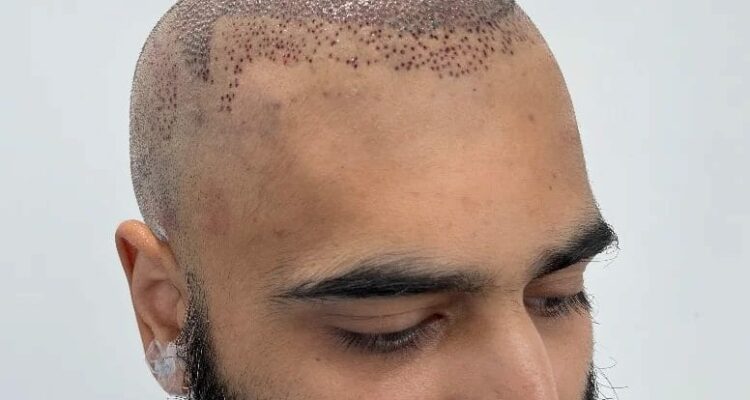
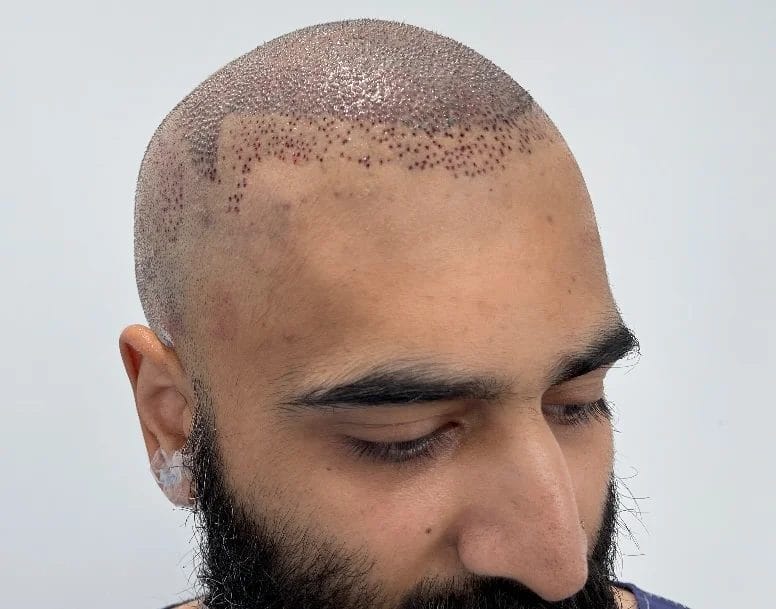
Hair transplantation has become one of the most effective solutions for treating hair loss. Modern techniques such as Follicular Unit Extraction (FUE) and Follicular Unit Transplantation (FUT) can produce natural-looking, long-lasting results when performed by experienced surgeons. However, not every procedure meets patient expectations. Poor planning, inexperienced practitioners, or outdated techniques can leave individuals with unnatural hairlines, patchy density, visible scars, or failed grafts.
Fortunately, hair transplant repair and revision surgery offers a second chance. These advanced procedures are designed to correct previous mistakes and improve both the appearance and functionality of an earlier transplant. While revision surgery is often more complex than the initial procedure, it can significantly enhance a patient’s confidence and overall satisfaction.
What Is Hair Transplant Repair Surgery?
Hair transplant repair, also known as revision surgery, is a corrective procedure performed to improve the results of an unsatisfactory hair transplant. The goal is not simply to add more hair but to restore a natural-looking appearance by addressing the specific issues caused by the previous surgery.
Depending on the patient’s condition, revision surgery may involve:
- Correcting an unnatural hairline
- Improving hair density
- Removing or redistributing poorly placed grafts
- Repairing visible donor scars
- Camouflaging overharvested donor areas
- Correcting hair direction and angle
Each revision case is unique and requires a customized treatment plan based on the patient’s scalp condition, donor hair availability, and long-term hair restoration goals.
Common Reasons Patients Need Revision Surgery
Several factors may lead someone to seek corrective hair transplant surgery.
Unnatural Hairline
One of the most common complaints is a hairline that appears too straight, too low, or lacks the natural irregularities found in healthy hair growth. Modern revision techniques can redesign the hairline using individual follicular units for a softer, more realistic appearance.
Poor Hair Density
Some patients experience sparse or uneven hair growth after their original procedure. Additional grafts can be strategically placed to improve fullness while maintaining a natural look.
Incorrect Hair Direction
Hair growing at unnatural angles can make styling difficult and reveal the transplant. Revision surgery can reposition or replace grafts to match the natural direction of surrounding hair.
Visible Scarring
Older FUT procedures may leave noticeable linear scars, while aggressive FUE harvesting can create patchy donor areas. Scar revision and camouflage techniques can greatly reduce their visibility.
Failed or Poorly Surviving Grafts
Not every transplanted follicle survives. Poor surgical technique, improper graft handling, or inadequate blood supply may reduce graft survival, requiring additional transplantation.
How Hair Transplant Revision Surgery Works
Repair procedures begin with a thorough consultation and scalp examination. The surgeon evaluates:
- Previous transplant results
- Remaining donor hair
- Current pattern of hair loss
- Scalp flexibility and scar tissue
- Patient expectations
Based on this evaluation, several corrective techniques may be combined.
Graft Removal and Redistribution
Poorly positioned grafts may be carefully extracted and re-implanted in more appropriate locations.
New Hair Grafting
Fresh follicular units are harvested from the donor area and transplanted to increase density or improve the hairline.
Scar Revision
For patients with FUT scars or overharvested donor regions, surgeons may transplant hair directly into scar tissue or perform scar revision procedures.
Hairline Redesign
Experienced surgeons create age-appropriate, natural-looking hairlines that blend seamlessly with existing hair growth.
Is Everyone a Candidate for Repair Surgery?
Not every patient is immediately eligible for revision surgery.
Doctors generally recommend waiting 9 to 12 months after the initial transplant before considering corrective treatment. This allows transplanted hair to fully grow and gives the surgeon an accurate view of the final result.
Candidates are typically suitable if they have:
- Unsatisfactory cosmetic results
- Adequate donor hair remaining
- Stable hair loss
- Realistic expectations
- Good overall health
Patients with severely depleted donor areas may require alternative approaches, including beard hair transplantation or non-surgical camouflage methods.
Challenges of Hair Transplant Repair
Revision surgery is considerably more difficult than a first-time transplant.
The surgeon must work around:
- Existing scar tissue
- Previously implanted grafts
- Limited donor hair
- Altered scalp blood supply
- Cosmetic corrections without wasting remaining grafts
Because donor hair is a finite resource, careful planning is essential to achieve the best long-term outcome.
Recovery After Revision Surgery
Recovery following repair surgery is generally similar to a standard hair transplant.
Patients can expect:
- Mild swelling and redness
- Small scabs that disappear within one to two weeks
- Temporary shedding of transplanted hairs
- New hair growth beginning after three to four months
- Final results visible within 12 to 18 months
Following the surgeon’s aftercare instructions is crucial for maximizing graft survival and achieving optimal results.
Choosing the Right Surgeon
The success of revision surgery depends heavily on the surgeon’s expertise. Repair cases require advanced technical skills, artistic judgment, and experience with complex corrective procedures.
Before selecting a surgeon:
- Review before-and-after photos of revision cases.
- Ask about experience with corrective hair restoration.
- Verify qualifications and credentials.
- Discuss realistic expectations and long-term treatment plans.
Choosing an experienced specialist greatly improves the chances of achieving a natural and satisfying outcome.
Final Thoughts
A disappointing hair transplant does not necessarily mean permanent results. Modern hair transplant repair and revision surgery can successfully correct unnatural hairlines, improve density, reduce visible scars, and restore a more natural appearance. Although these procedures are technically demanding, skilled hair restoration surgeons can often deliver dramatic improvements while preserving valuable donor hair.
If you are unhappy with a previous hair transplant, consult a qualified revision specialist for a detailed evaluation. With realistic expectations and expert planning, corrective surgery can restore both your hair and your confidence.