

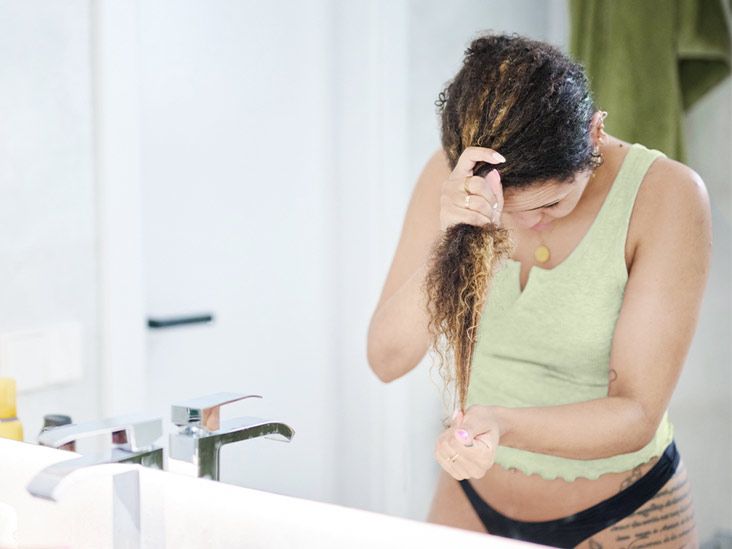
Hair loss is often associated with men, but millions of women also experience thinning hair at different stages of life. While losing some hair each day is completely normal, excessive shedding or noticeable thinning can be distressing and may affect self-confidence. The good news is that many causes of female hair loss can be identified and treated effectively when addressed early.
Understanding the signs, causes, and treatment options can help women take the right steps toward healthier hair and improved overall well-being.
What Is Female Hair Loss?
Female hair loss refers to a reduction in hair density or excessive hair shedding. Unlike male pattern baldness, women usually experience diffuse thinning across the scalp rather than complete bald patches. Hair loss can occur gradually over months or suddenly due to illness, hormonal changes, or stress.
Early diagnosis is essential because prompt treatment often leads to better results.
Common Signs of Female Hair Loss
Recognizing the symptoms early can make treatment more effective. Some common signs include:
Increased Hair Shedding
Finding more hair than usual on your pillow, shower drain, or hairbrush may indicate excessive hair loss. Losing around 50–100 hairs daily is considered normal, but significantly more than this may require attention.
Widening Part Line
One of the earliest signs of female pattern hair loss is a part that appears wider than before. Hair around the crown may become noticeably thinner.
Reduced Hair Volume
Hair may feel less thick when tied into a ponytail, and hairstyles may no longer look as full as they once did.
Visible Scalp
As hair density decreases, parts of the scalp become easier to see, especially under bright lighting.
Hair Breakage
Weak, brittle strands that snap easily can make hair appear thinner even if the follicles remain healthy.
Bald Patches
Round or irregular bald spots may indicate autoimmune conditions such as alopecia areata and should be evaluated by a healthcare professional.
Common Causes of Female Hair Loss
Understanding the underlying cause is the first step toward effective treatment.
Genetics
Female pattern hair loss, also called androgenetic alopecia, is the most common cause. It tends to run in families and develops gradually with age.
Hormonal Changes
Hormonal fluctuations caused by pregnancy, childbirth, menopause, thyroid disorders, or polycystic ovary syndrome (PCOS) can contribute to hair thinning.
Nutritional Deficiencies
Low levels of iron, vitamin D, zinc, biotin, or protein can negatively impact hair growth and strength.
Stress
Physical or emotional stress may trigger telogen effluvium, a temporary condition where many hairs enter the shedding phase simultaneously.
Medical Conditions
Certain illnesses such as thyroid disease, lupus, scalp infections, and autoimmune disorders can cause hair loss.
Medications
Some medications used for blood pressure, depression, chemotherapy, or hormonal treatments may have hair loss as a side effect.
How Female Hair Loss Is Diagnosed
A healthcare provider or dermatologist may perform several evaluations, including:
- Reviewing your medical history
- Examining your scalp
- Conducting blood tests to identify nutritional deficiencies or hormone imbalances
- Performing a hair pull test
- Taking a scalp biopsy in rare cases
An accurate diagnosis helps determine the most appropriate treatment plan.
Effective Treatments for Female Hair Loss
Topical Minoxidil
Minoxidil is one of the most widely recommended treatments for female pattern hair loss. It works by stimulating hair follicles and extending the growth phase of hair.
Consistent use for several months is usually necessary before noticeable improvements appear.
Prescription Medications
Doctors may prescribe medications that address hormonal causes of hair loss. These treatments are especially useful for women with androgen-related hair thinning or PCOS.
Nutritional Support
If nutritional deficiencies are identified, supplements containing iron, vitamin D, zinc, or biotin may help restore healthy hair growth. A balanced diet rich in protein, fruits, vegetables, and healthy fats also supports stronger hair.
Platelet-Rich Plasma (PRP) Therapy
PRP therapy involves injecting concentrated platelets from the patient’s own blood into the scalp. Growth factors in the platelets may stimulate dormant hair follicles and improve hair density.
Low-Level Laser Therapy
Laser devices designed for home or clinical use may encourage hair growth by improving blood circulation to the scalp and stimulating hair follicles.
Hair Transplant Surgery
Women with stable hair loss and sufficient donor hair may benefit from hair transplantation, which permanently relocates healthy follicles to thinning areas.
Lifestyle Tips for Healthier Hair
Healthy habits play an important role in maintaining strong hair.
- Eat a nutrient-rich diet.
- Avoid excessive heat styling.
- Limit harsh chemical treatments.
- Manage stress through exercise or meditation.
- Use gentle shampoos and conditioners.
- Avoid tight hairstyles that pull on the hair.
These simple practices can help reduce unnecessary hair damage and improve overall scalp health.
When to See a Doctor
Consult a healthcare professional if you notice:
- Sudden or severe hair loss
- Large bald patches
- Hair loss accompanied by itching or scalp pain
- Hair thinning after starting a new medication
- Persistent shedding lasting longer than six months
Early medical evaluation can identify underlying conditions before they become more serious.
Can Female Hair Loss Be Prevented?
Not every type of hair loss can be prevented, especially those linked to genetics. However, maintaining a healthy lifestyle, managing medical conditions, reducing stress, and seeking early treatment can significantly reduce the progression of many forms of hair loss.
Regular checkups and prompt attention to unusual hair changes are essential for preserving healthy hair.
Conclusion
Female hair loss is a common condition that affects women of all ages, but it is not something that should be ignored. From increased shedding and thinning hair to widening part lines and reduced volume, recognizing the early signs allows for faster diagnosis and more effective treatment. Whether the cause is genetic, hormonal, nutritional, or stress-related, numerous treatment options—including topical medications, lifestyle improvements, nutritional support, PRP therapy, and hair transplantation—can help restore healthier, fuller hair. By seeking professional advice early and following a personalized treatment plan, women can improve both their hair health and their confidence.