
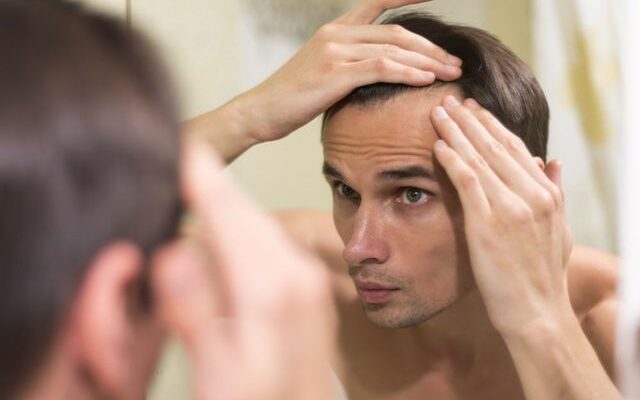
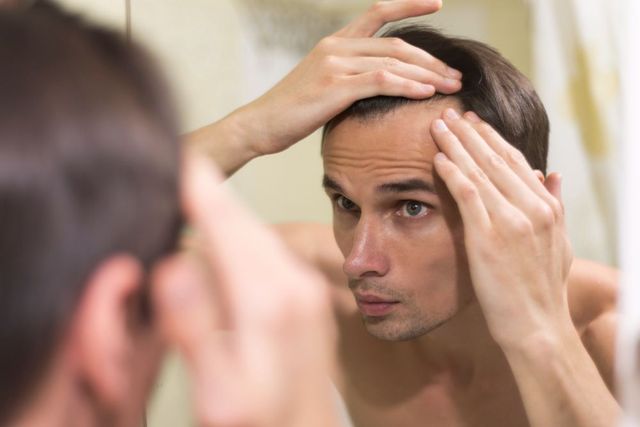
Hair loss often begins quietly. You might notice more strands on your pillow, a thinning patch in the mirror, or a hairline that seems to be slowly shifting. While these changes are physical, the experience of losing hair is rarely just about appearance. For many people, it carries a deep emotional weight connected to identity, confidence, and personal image.
In a society where thick, healthy hair is often associated with youth and vitality, losing it can feel like losing part of who we are.
Why Hair Loss Feels So Personal
Hair has long been tied to ideas of attractiveness, health, and self-expression. Because of this cultural connection, changes in hair can trigger powerful emotional responses.
For many women, hair represents femininity and personal style. When hair loss occurs—particularly due to medical treatments like chemotherapy—it can feel like a visible signal of illness. Instead of being a private health struggle, it becomes something the world can see. This can make the experience even more distressing, as it affects not only how a person feels internally but also how they believe others perceive them.
Men also face emotional challenges related to hair loss. Although male pattern baldness is more socially common, that does not mean it is easy to accept. Younger men in particular may struggle with changes in self-image, confidence, and how they present themselves socially or professionally. The idea that men simply “accept” hair loss often overlooks the complex emotions involved.
Different People, Different Reactions
Responses to hair loss vary widely. For some individuals, the fear of losing hair can be so overwhelming that it affects decisions about medical treatment. For others, the experience can become a symbol of resilience.
Some people view hair loss during treatments such as chemotherapy as a sign that the therapy is working—a reminder that the body is fighting illness. In these cases, the loss can take on a more positive meaning, representing strength and survival.
This contrast shows how deeply personal the experience is. What may feel devastating for one person may become a badge of courage for another.
When Hair Grows Back—But Things Still Feel Different
When hair loss is temporary, the emotional impact often improves once the hair begins to return. However, the transition is not always simple.
Hair sometimes grows back with a different texture or color. It may be curlier, thinner, or darker than before. Adjusting to these changes can create a new phase of emotional adaptation, even after the initial stress has passed.
In some cases, feelings related to body image may persist long after the physical changes have resolved. This highlights how deeply appearance can influence self-perception.
Why Younger People May Struggle More
Age can also influence how individuals respond to hair loss. Younger people, particularly teenagers and young adults, may feel the emotional effects more strongly.
Once the immediate stress of a medical diagnosis or treatment subsides, concerns about appearance often become more noticeable. Young individuals may compare themselves with healthy peers and feel more self-conscious about visible changes.
Because appearance often plays a larger role in social identity during these years, hair loss can have a significant impact on confidence and social comfort.
Finding Ways to Cope
Although the emotional effects of hair loss can be challenging, many people find ways to regain a sense of control and confidence.
Some choose to cut their hair short or shave their head early in the process. Taking this step voluntarily can transform a passive experience into an active decision.
Others turn to practical solutions such as wigs, scarves, hats, or head coverings. These options can help people feel more comfortable in social situations and provide privacy during difficult moments.
For many individuals, shifting focus toward other aspects of appearance can also help. Makeup, clothing, and accessories can highlight other features and restore a sense of personal style.
Different strategies work for different people. Some prefer to conceal hair loss, while others choose to embrace it openly.
The Emotional Side of Hair Loss Matters
Medical research continues to develop treatments for conditions such as androgenetic alopecia and other forms of hair loss. However, the psychological side of the experience is just as important as the physical one.
Hair loss is not only about strands of hair—it is about identity, confidence, and emotional well-being.
Recognizing this connection allows families, healthcare providers, and communities to offer more meaningful support. By acknowledging the emotional challenges and encouraging open conversations, we can help people navigate hair loss with greater understanding and resilience.