
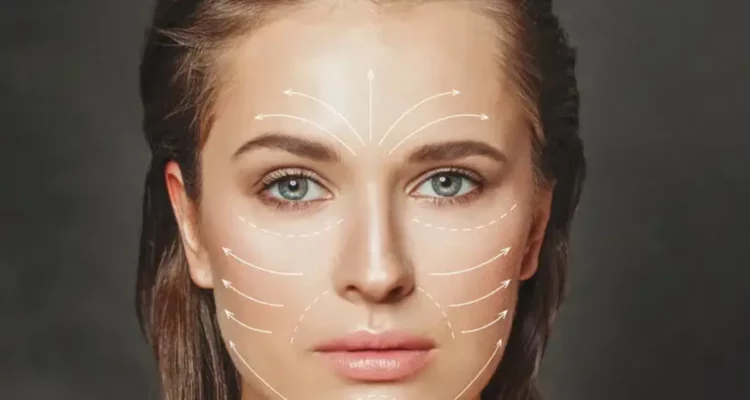

When most people think about hair restoration, they think about bald spots or thinning hair — solutions designed to bring back what’s been lost.
But today, hair restoration is about more than loss. It’s also about refinement.
Modern techniques now allow specialists to subtly reshape and enhance the hairline — not just restore it. One of the fastest-growing treatments in this space is the facial framing procedure, designed to create balance, soften features, and boost confidence.
To better understand this cosmetic approach, experts at Bosley Medical Group, including Chief Medical Officer Dr. Ken Washenik, have helped define how facial framing works and who it’s best suited for.
If you’re exploring ways to refine your hairline or restore fullness, a professional consultation can help determine whether facial framing or a traditional hair transplant is the right option.
What Is Facial Framing?
Facial framing is a cosmetic hair restoration technique designed to adjust and refine the hairline — often to reduce the appearance of a high or prominent forehead.
Unlike procedures focused solely on hair loss, facial framing is about proportion and balance. By repositioning and reshaping the hairline, the face can appear softer, more symmetrical, and harmonized.
It’s a subtle change — but one that can make a meaningful difference in how you see yourself.
How a Facial Framing Hair Transplant Works
Facial framing procedures use the same advanced principles as traditional hair transplants.
Here’s how it works:
-
Healthy hair follicles are extracted from the back of the scalp (the donor area).
-
Individual follicles are carefully transplanted along the top and sides of the hairline.
-
The new hairline is artistically designed to complement facial features.
The goal is natural-looking density and a flattering hairline shape — not an obvious cosmetic alteration.
Because precision is key, experienced physicians focus on creating hairlines that look completely seamless and age-appropriate.
Who Is a Good Candidate?
Facial framing isn’t only for people experiencing hair loss.
It’s ideal for individuals who:
-
Feel their forehead appears too high or large
-
Want to subtly lower or reshape their hairline
-
Have always disliked the natural shape of their hairline
-
Desire facial balance without more invasive cosmetic procedures
Many patients — especially women — pursue facial framing not because they’ve lost significant hair, but because they want their hairline to better complement their facial structure.
As Dr. Washenik explains, some individuals haven’t experienced noticeable hair loss at all. They simply want their hairline to sit differently — in a way that enhances their overall appearance.
Real Patient Perspective: Britany’s Story
For Britany, the decision wasn’t about thinning hair. It was about confidence.
She sought a hair transplant because she had never loved the shape of her hairline. In sharing her experience, she highlighted an important shift in how we think about hair restoration.
Hair transplants aren’t just about replacing lost hair — they can also refine facial proportions. Much like injectables, facelifts, or brow enhancements, adjusting the hairline can contour the face.
Hair frames the face. Even small changes can influence how balanced or harmonious your features appear.
Why Facial Framing Is Gaining Popularity
There are a few reasons this procedure is growing in demand:
-
Permanent results – Once transplanted, the hair grows naturally and long-term.
-
Low maintenance – No ongoing treatments required beyond normal hair care.
-
Natural enhancement – Results are subtle and tailored to individual features.
-
Confidence boost – A balanced hairline can dramatically improve self-perception.
For many patients, the impact isn’t just physical — it’s emotional. Feeling more aligned with your appearance often translates into greater self-assurance in everyday life.
Taking the Next Step
If you’re curious about facial framing or other hair restoration options, a consultation is the best place to start.
Specialists at Bosley Medical Group offer scalp and hair analyses to determine candidacy and discuss realistic outcomes. Whether you’re addressing thinning hair, a receding hairline, or simply seeking facial balance, personalized guidance makes all the difference.
You can also explore educational resources like comprehensive hair restoration guides to better understand procedures, timelines, and recovery expectations.
Final Thoughts
Hair restoration today isn’t only about reversing baldness.
It’s about refinement. Balance. Confidence.
Facial framing offers a way to subtly reshape the hairline in a way that complements your natural features — helping you look more like the version of yourself you’ve always envisioned.
And sometimes, that small shift can make a big difference in how you show up in the world.