
Introduction
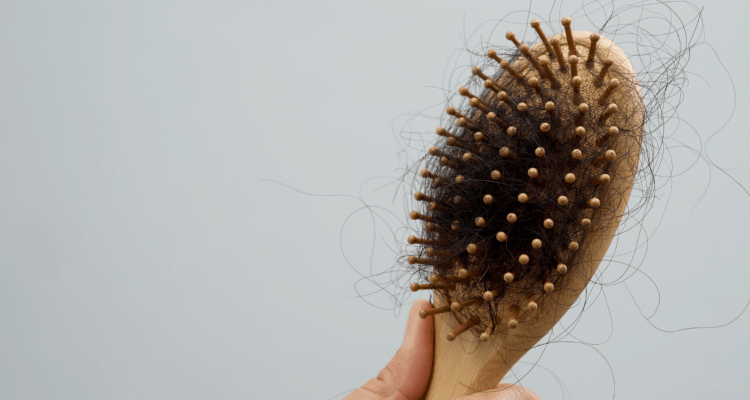
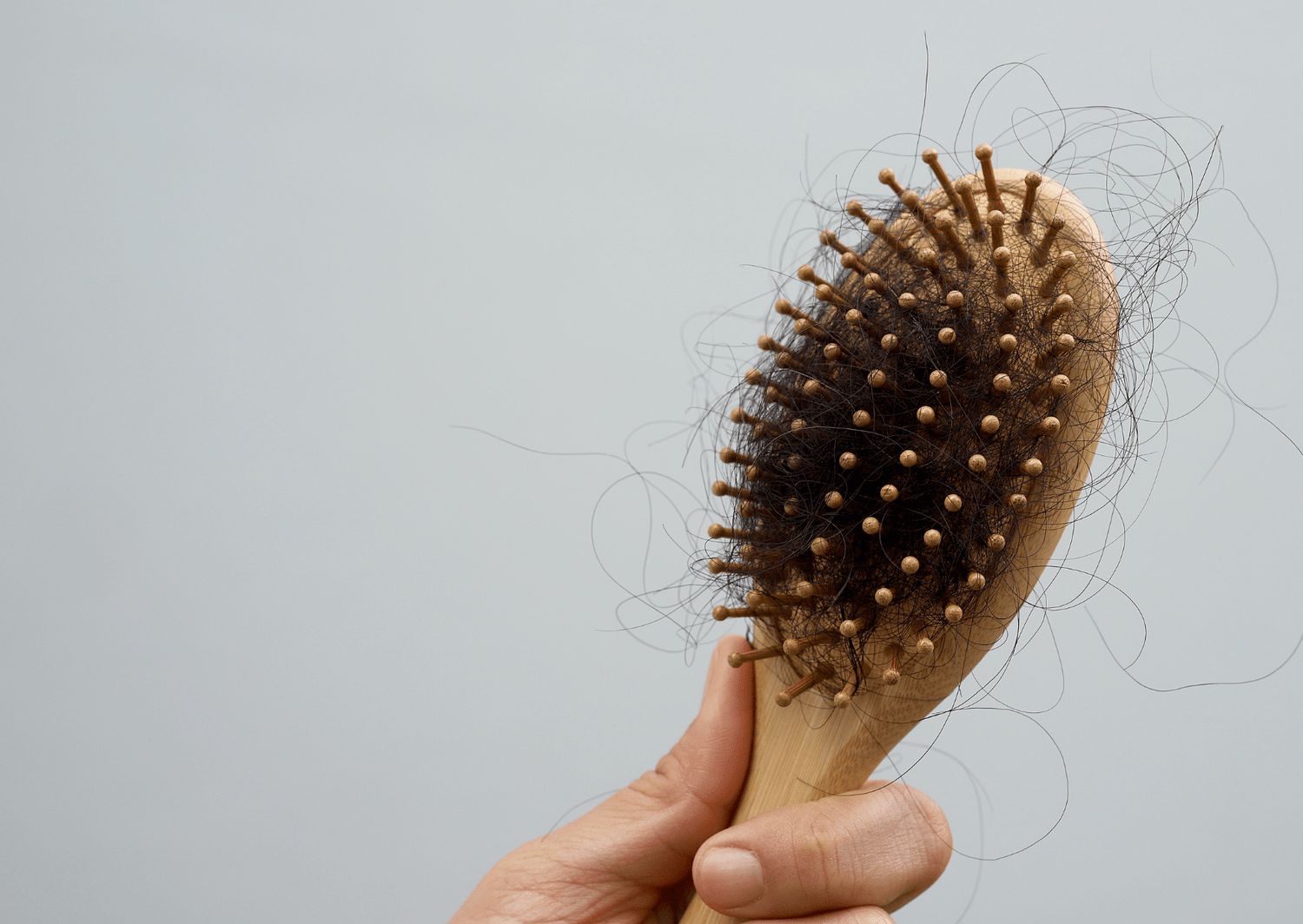
Hair fall is a widespread concern that affects both men and women across different age groups. Although shedding some hair every day is completely normal, excessive hair loss can become worrying and may signal underlying health or lifestyle problems. Several factors such as stress, poor nutrition, hormonal imbalance, pollution, and certain medical conditions can contribute to increased hair shedding.
Many people look for ways to prevent hair fall and maintain strong, healthy hair. The encouraging news is that hair loss can often be managed through proper care, improved diet, and timely medical advice. Identifying the root cause of hair fall is the first step toward finding an effective solution.
Understanding the Hair Growth Cycle
To better understand hair loss, it helps to know how hair naturally grows. Hair develops through a cycle that includes different phases of growth, rest, and shedding.
On average, losing about 50 to 100 hair strands per day is considered normal. However, if the amount of hair shedding consistently exceeds this range, it may indicate a deeper issue that requires attention.
Common Causes of Hair Fall
Hair loss can result from several factors. Recognizing the cause is essential for choosing the right treatment approach.
1. Nutritional Deficiencies
Hair follicles rely on nutrients such as protein, iron, zinc, and essential vitamins. A diet lacking these nutrients can weaken hair roots and increase hair shedding.
2. Hormonal Imbalance
Hormonal changes during pregnancy, menopause, thyroid disorders, or conditions such as PCOS can lead to noticeable hair thinning.
3. Stress and Lifestyle Factors
Physical or emotional stress can interrupt the normal hair growth cycle, often causing temporary hair loss.
4. Genetic Factors
Inherited hair loss, commonly known as androgenetic alopecia, is one of the most frequent causes of gradual hair thinning.
5. Scalp Conditions
Issues like dandruff, fungal infections, and scalp inflammation can damage follicles and lead to increased hair fall.
6. Excessive Hair Styling
Frequent use of heating tools, tight hairstyles, and chemical treatments can weaken hair strands and cause breakage.
Signs That Hair Fall May Be Excessive
While some hair shedding is normal, certain symptoms may indicate a more serious issue.
-
Noticeable thinning of hair
-
Excessive hair loss while combing or washing
-
Receding hairline
-
Bald patches on the scalp
-
Weak or fragile hair strands
If these symptoms continue for several weeks, it may be necessary to consider professional treatment options.
Effective Ways to Prevent Hair Fall
Preventing hair loss usually requires a combination of healthy habits and proper hair care practices. The following strategies can help reduce hair fall naturally.
1. Eat a Balanced Diet
Nutrition plays an important role in maintaining healthy hair. Include foods rich in:
-
Protein: eggs, legumes, dairy products
-
Iron: spinach, lentils, leafy vegetables
-
Biotin: nuts, seeds
-
Omega-3 fatty acids: fish, flaxseeds
A nutrient-rich diet helps strengthen hair follicles and supports healthy hair growth.
2. Manage Stress
Long-term stress can negatively affect the hair growth cycle. Stress-reducing activities include:
-
Meditation
-
Yoga
-
Regular physical activity
-
Getting enough sleep
Managing stress effectively can help minimize stress-related hair loss.
3. Follow Gentle Hair Care Practices
Handling hair roughly can weaken strands and increase breakage. Healthy hair habits include:
-
Using mild or sulfate-free shampoos
-
Avoiding excessive brushing
-
Gently patting hair dry with a towel
-
Limiting the use of heat styling tools
These practices help protect hair from unnecessary damage.
4. Maintain Scalp Health
A healthy scalp creates the right environment for hair growth. To maintain scalp hygiene:
-
Wash hair regularly
-
Treat dandruff promptly
-
Avoid heavy product buildup
-
Keep the scalp clean and hydrated
Good scalp care improves overall hair health and growth.
5. Try Regular Oil Massage
Scalp massage can improve blood circulation and nourish hair roots.
Commonly used oils include:
-
Coconut oil
-
Almond oil
-
Castor oil
-
Argan oil
Massaging the scalp two to three times per week may help strengthen hair and reduce hair fall.
Lifestyle Changes That Support Hair Health
Certain lifestyle habits can significantly influence hair growth and strength.
| Lifestyle Habit | Benefit |
|---|---|
| Regular Exercise | Enhances blood circulation |
| Adequate Sleep | Supports healthy hair growth cycle |
| Proper Hydration | Keeps scalp and hair nourished |
| Balanced Diet | Strengthens hair follicles |
| Stress Control | Prevents stress-induced hair loss |
Making these small lifestyle improvements can help maintain healthier hair.
Medical Treatments for Hair Loss
If hair fall continues despite lifestyle changes and home remedies, medical intervention may be necessary.
1. Medications
Doctors may recommend medications that slow hair loss and stimulate new growth.
2. PRP Therapy
Platelet-Rich Plasma (PRP) therapy uses components from the patient’s own blood to activate hair follicles and encourage regrowth.
3. Hair Transplant Procedures
For advanced hair loss, hair transplant surgery can restore hair in thinning or bald areas.
4. Treating Underlying Medical Conditions
Hair loss related to thyroid disorders, hormonal imbalance, or nutritional deficiencies requires targeted medical treatment.
Natural Remedies That May Help
Certain natural remedies may support hair health when used consistently.
-
Onion Juice: Contains sulfur that may strengthen hair follicles.
-
Aloe Vera: Helps soothe the scalp and reduce dandruff.
-
Fenugreek Seeds: Rich in protein that supports hair strength.
-
Coconut Oil: Nourishes the scalp and reduces hair breakage.
Although these remedies may help, they should be combined with healthy lifestyle practices for better results.
When to Seek Medical Advice
It is advisable to consult a healthcare professional if:
-
Hair fall continues for several months
-
Bald patches appear suddenly
-
Hair loss occurs rapidly
-
Hair fall is accompanied by scalp itching or pain
Early medical evaluation can help identify the cause and ensure effective treatment.
Conclusion
Hair fall is a common issue experienced by many people, but in most cases it can be managed through proper care and lifestyle adjustments. Understanding the possible causes, maintaining balanced nutrition, and following healthy hair care habits are essential steps in protecting hair health.
Simple lifestyle changes such as reducing stress, improving diet, and avoiding harsh treatments can significantly reduce hair fall. However, if hair loss persists despite these efforts, seeking professional medical advice is important. With proper diagnosis and personalized treatment, it is possible to control hair loss and restore stronger, healthier hair.
Frequently Asked Questions
What is the most common cause of hair fall?
Hair fall is often caused by factors such as stress, poor nutrition, hormonal imbalance, genetics, and scalp infections.
How can hair fall be prevented naturally?
Maintaining a balanced diet, managing stress, following gentle hair care practices, and keeping the scalp healthy can help reduce hair loss.
Which vitamin deficiencies can lead to hair loss?
Deficiencies in iron, vitamin D, biotin, and vitamin B12 are frequently associated with hair thinning and hair fall.
What treatments are available for hair fall?
Treatment options may include medications, nutritional supplements, PRP therapy, lifestyle improvements, and in some cases hair transplant procedures.
Is it possible to reverse hair fall?
In many cases, hair fall can be controlled and hair growth improved if the underlying cause is identified and treated early.