
Polycystic Ovary Syndrome (PCOS) is one of the most common hormonal disorders affecting women of reproductive age. It can lead to irregular menstrual cycles, weight gain, acne, excessive hair growth, insulin resistance, and fertility challenges. While medical treatment and a healthy lifestyle are essential for managing PCOS, yoga has emerged as a natural and effective complementary practice.
Yoga not only improves physical fitness but also helps reduce stress, balance hormones, and promote overall well-being. Certain yoga poses can improve blood circulation to the pelvic region, stimulate the endocrine system, and support better metabolic health. In this article, we’ll explore the best yoga poses for PCOS, their benefits, and useful tips for practicing safely.
Understanding PCOS and the Role of Yoga
PCOS occurs when the ovaries produce higher-than-normal levels of androgens (male hormones), disrupting ovulation and hormone balance. Stress, poor lifestyle habits, and insulin resistance often contribute to worsening symptoms.
Yoga helps by:
- Reducing cortisol (stress hormone) levels
- Improving insulin sensitivity
- Supporting hormonal balance
- Enhancing blood circulation
- Promoting relaxation and better sleep
- Encouraging mindful eating and healthy habits
Although yoga cannot cure PCOS, regular practice can significantly improve its symptoms when combined with medical guidance and a balanced diet.
Best Yoga Poses for PCOS
1. Butterfly Pose (Baddha Konasana)
The Butterfly Pose gently stretches the inner thighs and hips while increasing blood flow to the pelvic organs.
Steps
- Sit on the floor with your legs extended.
- Bend your knees and bring the soles of your feet together.
- Hold your feet with both hands.
- Keep your back straight.
- Gently move your knees up and down like butterfly wings.
- Hold the position for 30–60 seconds while breathing deeply.
Benefits
- Improves pelvic circulation
- Relaxes hip muscles
- Supports reproductive health
- Reduces stress
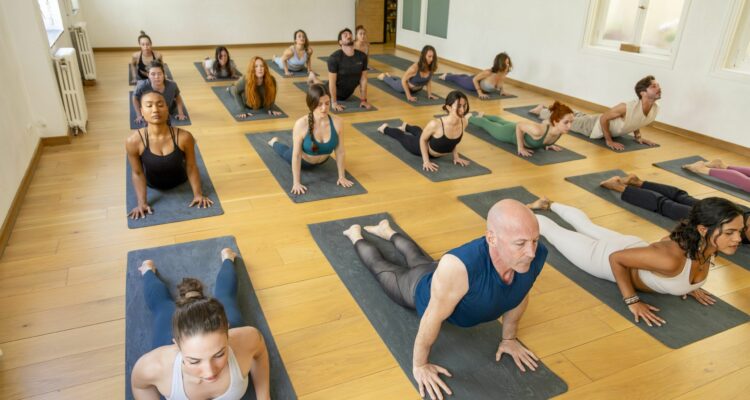
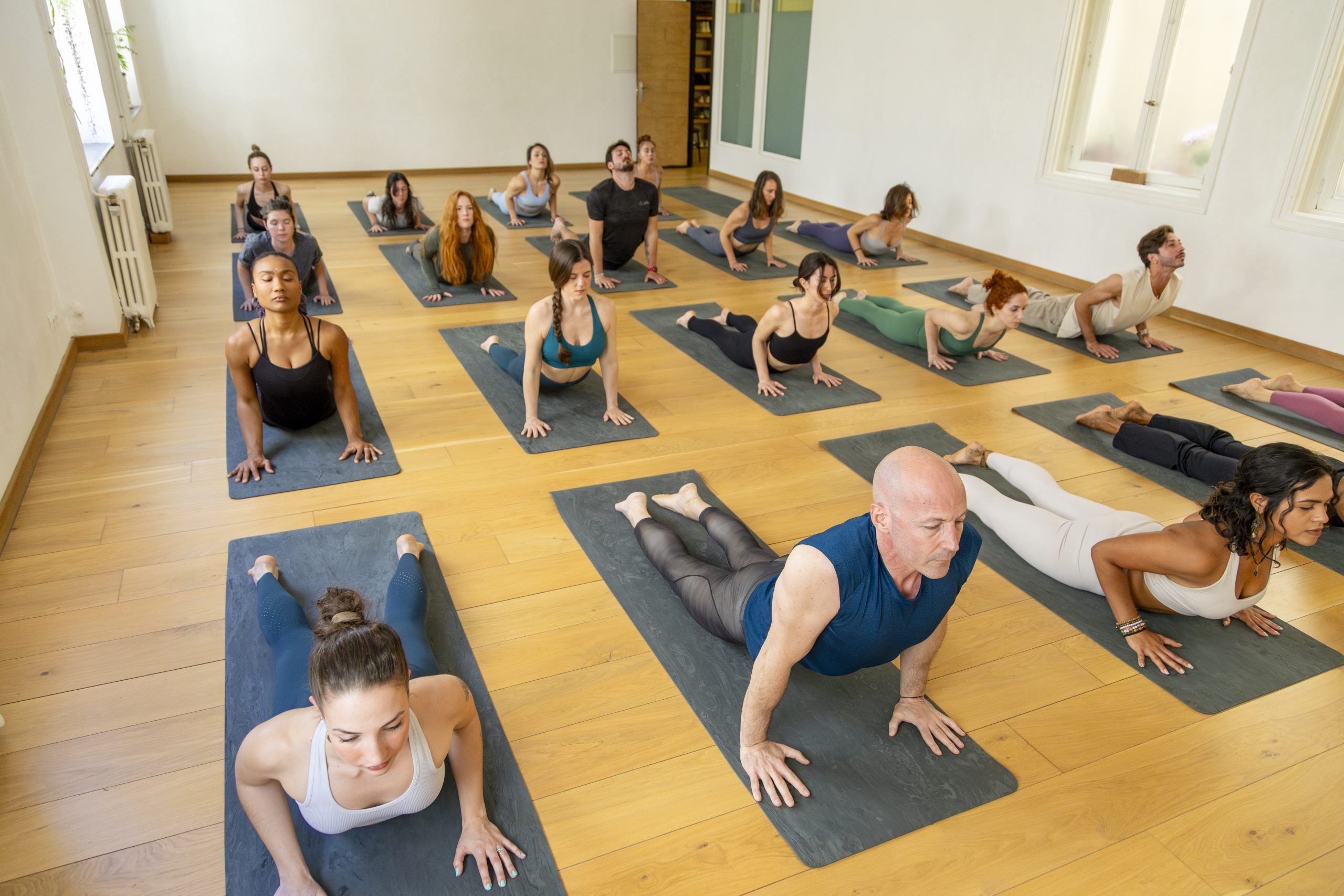
2. Cobra Pose (Bhujangasana)
Cobra Pose strengthens the spine and stimulates abdominal organs, making it beneficial for hormonal balance.
Steps
- Lie on your stomach.
- Place your palms beneath your shoulders.
- Press your hands into the floor.
- Slowly lift your chest while keeping your elbows slightly bent.
- Keep your shoulders relaxed.
- Hold for 20–30 seconds before lowering.
Benefits
- Stimulates the ovaries
- Improves digestion
- Strengthens the back
- Reduces fatigue
3. Child’s Pose (Balasana)
Child’s Pose is one of the best relaxation poses for women dealing with PCOS-related stress.
Steps
- Kneel on the yoga mat.
- Sit back on your heels.
- Stretch your arms forward.
- Lower your forehead to the mat.
- Relax and breathe deeply.
Benefits
- Relieves stress and anxiety
- Calms the nervous system
- Reduces lower back tension
- Promotes emotional balance
4. Cat-Cow Pose (Marjaryasana-Bitilasana)
This flowing movement massages the abdominal organs and improves spinal flexibility.
Steps
- Begin on your hands and knees.
- Inhale and arch your back while lifting your head (Cow Pose).
- Exhale and round your spine while tucking your chin (Cat Pose).
- Repeat slowly for 1–2 minutes.
Benefits
- Improves blood circulation
- Supports reproductive organs
- Relieves back pain
- Enhances flexibility
5. Bridge Pose (Setu Bandhasana)
Bridge Pose stimulates the thyroid gland, which plays an important role in hormone regulation.
Steps
- Lie on your back.
- Bend your knees and keep your feet flat on the floor.
- Lift your hips toward the ceiling.
- Keep your shoulders grounded.
- Hold for 20–30 seconds.
Benefits
- Strengthens pelvic muscles
- Improves hormonal balance
- Enhances digestion
- Relieves stress
6. Reclining Butterfly Pose (Supta Baddha Konasana)
This restorative pose encourages deep relaxation while gently opening the hips.
Steps
- Lie flat on your back.
- Bring the soles of your feet together.
- Let your knees fall outward naturally.
- Rest your arms comfortably by your sides.
- Breathe deeply for 3–5 minutes.
Benefits
- Relaxes pelvic muscles
- Improves circulation
- Reduces anxiety
- Supports reproductive health
7. Legs-Up-the-Wall Pose (Viparita Karani)
This simple pose is excellent for reducing fatigue and promoting relaxation.
Steps
- Sit next to a wall.
- Lie back while swinging your legs up the wall.
- Keep your arms relaxed.
- Stay in the pose for 5–10 minutes.
Benefits
- Improves blood circulation
- Relieves swollen legs
- Reduces stress
- Promotes better sleep
8. Bow Pose (Dhanurasana)
Bow Pose stretches the entire front of the body while stimulating the abdominal organs.
Steps
- Lie on your stomach.
- Bend your knees.
- Hold your ankles with your hands.
- Lift your chest and thighs off the floor.
- Hold for 20 seconds.
Benefits
- Stimulates reproductive organs
- Improves metabolism
- Strengthens the back
- Boosts energy levels
Benefits of Yoga for PCOS
Practicing yoga consistently offers several physical and mental health benefits, including:
- Helps regulate menstrual cycles
- Improves insulin sensitivity
- Supports healthy weight management
- Reduces stress and anxiety
- Promotes hormonal balance
- Improves flexibility and posture
- Enhances blood circulation
- Boosts reproductive health
- Encourages better sleep quality
- Increases overall energy and well-being
Lifestyle Tips Along with Yoga
Yoga works best when combined with healthy lifestyle habits.
Eat a Balanced Diet
Choose whole grains, lean proteins, healthy fats, fruits, and vegetables while limiting processed foods and excess sugar.
Exercise Regularly
Aim for at least 30 minutes of moderate exercise most days of the week. Walking, swimming, cycling, or strength training can complement yoga.
Stay Hydrated
Drink enough water throughout the day to support metabolism and overall health.
Manage Stress
Practice meditation, deep breathing, journaling, or mindfulness alongside yoga to reduce stress.
Sleep Well
Getting 7–9 hours of quality sleep every night helps regulate hormones and improve insulin sensitivity.
Consult Your Healthcare Provider
Yoga should complement—not replace—medical treatment. Always follow your doctor’s recommendations regarding medications and regular health check-ups.
Safety Tips While Practicing Yoga
To practice yoga safely and effectively:
- Warm up before starting.
- Practice on a non-slip yoga mat.
- Focus on slow, controlled breathing.
- Avoid forcing your body into difficult positions.
- Stop immediately if you experience pain or dizziness.
- Learn proper technique from a qualified yoga instructor if possible.
- Practice consistently rather than intensely.
Conclusion
Yoga is a gentle yet powerful practice that can play an important role in managing PCOS symptoms. By improving flexibility, reducing stress, enhancing blood circulation, and supporting hormonal balance, regular yoga sessions can complement medical treatment and a healthy lifestyle. Poses such as Butterfly Pose, Cobra Pose, Child’s Pose, Bridge Pose, and Legs-Up-the-Wall Pose are particularly beneficial for women living with PCOS.
Remember that consistency is the key to experiencing long-term benefits. Combine yoga with nutritious eating, regular physical activity, adequate sleep, and guidance from your healthcare provider to create a holistic approach to managing PCOS and improving your overall quality of life.