
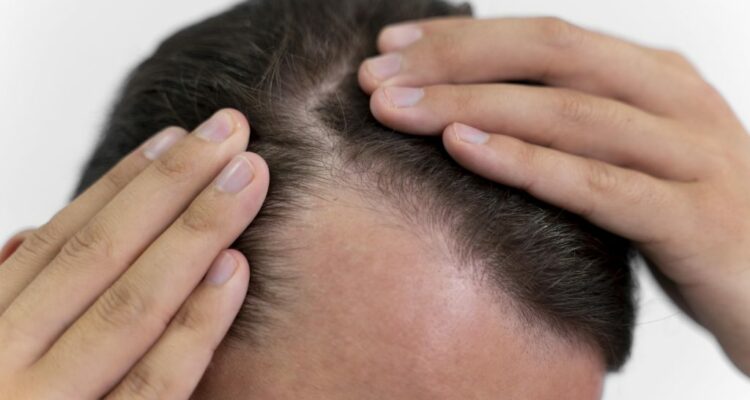
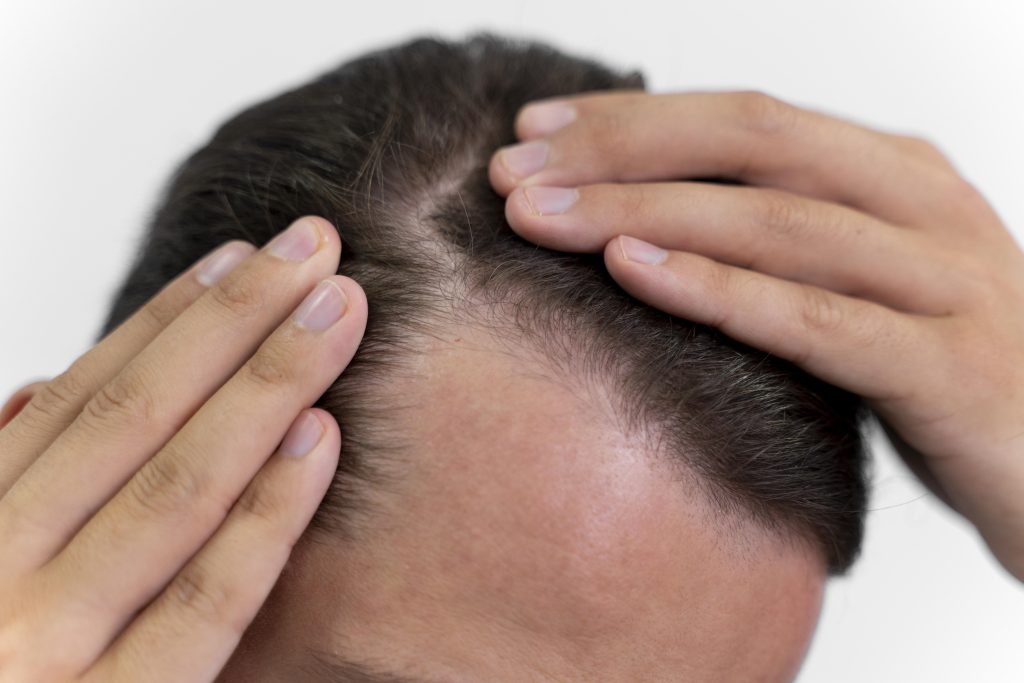
Noticing more hair than usual on your comb, pillow, or shower drain can feel alarming—especially when you’re only 26. For many people, hair is closely connected to confidence, youth, and identity. So when it starts thinning, it can trigger worry and self-doubt.
But before jumping to worst-case scenarios, it helps to understand what’s actually happening with your hair.
Daily Hair Shedding Is Completely Normal
The first thing to remember is that losing hair every day is a natural process. On average, people shed 50 to 100 strands daily as part of the hair’s normal growth cycle.
Because new hair continuously grows to replace what falls out, this daily shedding usually goes unnoticed. Seeing a few extra strands occasionally isn’t necessarily a cause for concern.
However, if you begin noticing consistent thinning, a widening hair part, or visible scalp, it may indicate that something else is going on.
Early Hair Loss Can Start in Your Twenties
Hair loss isn’t limited to older adults. Some forms can begin surprisingly early in life.
One of the most common causes is androgenetic alopecia, often known as male or female pattern hair loss. This condition is largely influenced by genetics and can gradually develop during a person’s twenties.
While this type of hair loss tends to be long-term, early detection can help slow its progression and preserve hair density.
How Hair Loss Appears Differently in Women
Hair thinning doesn’t look the same for everyone. In women, pattern hair loss usually shows up differently than in men.
Instead of a receding hairline, women often experience:
-
Gradual thinning at the top of the scalp
-
A wider part line
-
Reduced density around the crown area
In most cases, hormone levels remain normal. However, hormonal imbalances can sometimes contribute to thinning hair. Elevated androgen levels, for example, may play a role and can occasionally be linked to conditions like polycystic ovarian syndrome (PCOS).
Temporary Causes of Hair Loss
Not all hair loss is permanent. In many situations, it’s triggered by temporary disruptions to the body’s normal processes.
Some common causes include:
-
Physical or emotional stress
-
Serious illness or infection
-
Rapid weight loss
-
Major hormonal changes
-
Certain medications or medical treatments, including chemotherapy
When the underlying cause is addressed, hair often begins to grow back over time.
When to Seek Medical Advice
If hair loss becomes noticeable or continues for several months, it’s a good idea to consult a healthcare professional.
A doctor can evaluate the situation by asking questions about:
-
Your hair loss pattern
-
When the shedding began
-
Family history of hair loss
-
Any recent stress, illness, or lifestyle changes
In many cases, a simple scalp examination provides useful clues. If needed, additional tests such as blood work or a small scalp biopsy may help identify hormonal issues or other underlying conditions.
Treatment and Management Options
The good news is that several treatments can help manage hair loss, particularly when it’s caught early. Depending on the cause, doctors may recommend therapies designed to slow shedding and stimulate regrowth.
These treatments often take several months before visible improvement appears, so patience is important.
Some people also choose practical solutions such as:
-
Volumizing styling products
-
Hair fibers or thickening sprays
-
Hairpieces or wigs
These options can help boost confidence while medical treatments take effect.
The Bottom Line
Experiencing hair loss at 26 can feel overwhelming, but it’s not uncommon—and in many cases, it’s manageable. Hair shedding can stem from genetics, hormones, stress, or temporary health changes.
The most important step is not ignoring the issue. Understanding the cause early gives you the best chance to slow hair loss and explore effective treatment options.
If thinning hair is affecting your confidence, speaking with a medical professional can provide clarity, reassurance, and a plan for moving forward.