
A New Way of Living
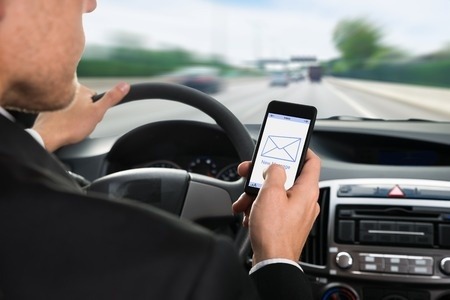
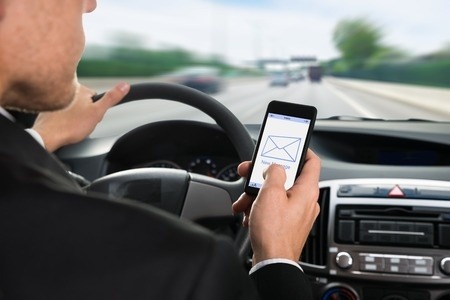
Mobile phones have become an essential part of everyday life, shaping how we communicate, shop, and manage daily tasks. From checking the weather to booking fitness sessions, smartphones are now at the center of modern routines. On average, people spend over four hours a day on their phones—a clear sign of how deeply integrated these devices have become.
Interestingly, calling—once the primary function of mobile phones—is now one of their least-used features. Many users go days without making a single call. Instead, smartphones are used for checking emails, reading news, browsing social media, and shopping online. This shift highlights how phones have evolved into all-in-one digital tools.
From Wallets to Smartphones
One of the most significant changes driven by mobile technology is the gradual replacement of physical wallets. What started with checking bank balances has now expanded into making payments directly through smartphones.
Digital wallets, contactless payments, and online transaction platforms have made carrying cash increasingly unnecessary. A growing number of people are willing to embrace a completely cashless lifestyle, reflecting a broader shift in consumer behavior.
This transformation has been years in the making. Since the rise of online banking in the late 1990s, digital payments have steadily gained popularity. Today, technologies like contactless cards and NFC payments have accelerated this trend, making transactions faster and more seamless than ever before.
The Decline of Cash
Cash has been a part of human civilization for centuries, but its relevance is gradually diminishing. In many countries, digital payments are becoming the preferred method for everyday transactions—from buying coffee to paying for transportation.
Financial institutions themselves acknowledge that cash usage is declining and will continue to do so. Consumers are increasingly choosing digital alternatives that offer speed, ease, and security.
Overcoming Payment Challenges
Despite the growth of mobile payments, early adoption faced some hurdles. Entering card details on small screens, remembering passwords, and completing multi-step authentication processes often made online transactions frustrating.
These challenges led to abandoned purchases and lost sales for businesses.
However, advancements in mobile payment technology have simplified the process. Today, users can complete transactions with minimal effort—sometimes just by entering a mobile number and verifying a secure PIN. This eliminates the need for lengthy card details and reduces friction during checkout.
In some cases, payments are even billed directly through mobile carriers, adding another layer of convenience for users.
Convenience in a Fast-Paced World
Modern lifestyles are busier than ever, and consumers increasingly value speed and simplicity. Mobile phones perfectly support this demand by enabling shopping anytime, anywhere.
With just a few taps, users can browse products, compare prices, and make purchases without being tied to a specific location. This has transformed shopping habits and created a new generation of digitally savvy consumers.
For businesses, this shift means adapting to higher expectations. Customers now demand fast, seamless experiences, and brands must continuously innovate to retain their loyalty in a competitive market.
The Future of Mobile Payments
Mobile payments are expected to dominate the future of financial transactions. Predictions suggest that a significant majority of transactions will soon be conducted through smartphones.
As technology continues to evolve, collaboration between mobile networks, retailers, and payment platforms will further streamline the buying process. This will not only enhance customer convenience but also improve efficiency and reduce operational costs for businesses.
Final Thoughts
Mobile phones have redefined convenience in the digital age. From communication to commerce, they have transformed how we interact with the world around us.
As the shift toward mobile-first living continues, businesses and consumers alike will benefit from faster, simpler, and more integrated experiences. In this new era, convenience isn’t just a preference—it’s an expectation.