
Hair fall is something most people deal with at some point. Losing around 50–100 strands a day is completely normal as part of the natural hair cycle. But when shedding becomes excessive or regrowth slows down, it’s usually a sign that something deeper needs attention.
Why Does Hair Fall Happen?
Understanding the cause is the first step to fixing the problem. Hair loss can be triggered by genetics, hormones, nutrition, or even daily habits. The good news? Modern dermatology offers several proven ways to control hair fall and boost hair density.
1. Genetic Hair Loss (Androgenetic Alopecia)
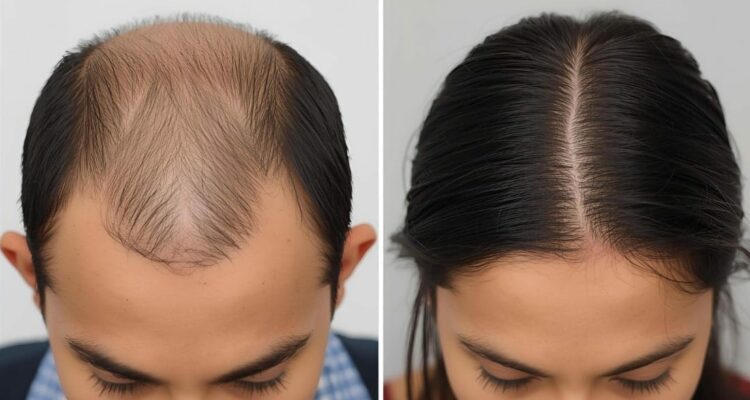
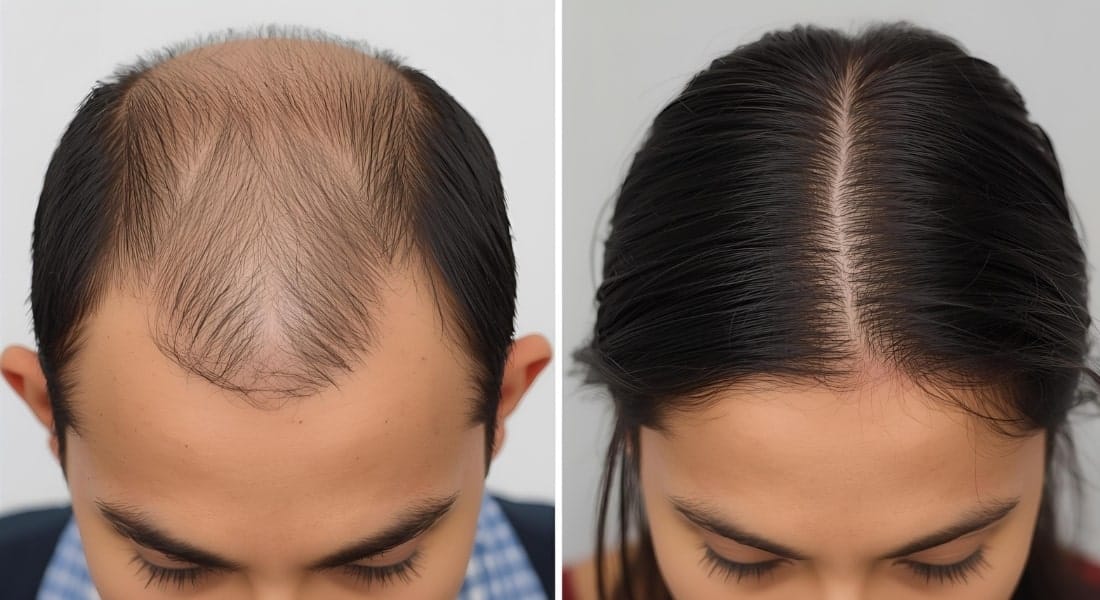
This is the most common reason behind thinning hair. In men, it often shows up as a receding hairline or bald spots, while women experience overall thinning, especially along the part line. Though it progresses over time, the right treatments can slow it down and help maintain volume.
2. Hormonal Imbalances
Hormones play a major role in hair health. Conditions like pregnancy, menopause, thyroid issues, or PCOS can disrupt the balance, leading to hair weakening and shedding. Postpartum hair loss is also common but usually temporary, with proper care helping restore growth.
3. Lack of Essential Nutrients
Healthy hair needs proper nourishment. Deficiencies in iron, vitamin D, zinc, biotin, or protein can weaken hair strands and increase shedding. Iron deficiency, in particular, is linked to temporary hair loss conditions like telogen effluvium. A nutrient-rich diet and supplements can help reverse the damage.
4. Stress-Induced Hair Fall
High stress levels can push hair follicles into a resting phase, causing noticeable shedding after a few months. This condition, known as telogen effluvium, is usually temporary. Managing stress and maintaining a healthy routine can help hair grow back naturally.
5. Poor Scalp Health
A neglected scalp can directly impact hair growth. Issues like dandruff, oil buildup, clogged follicles, or inflammation can weaken roots and slow down growth. Keeping the scalp clean and balanced is essential for stronger, healthier hair.
6. Medical Conditions & Medications
Certain illnesses like autoimmune disorders or treatments like chemotherapy can lead to hair loss. Even some medications for blood pressure, acne, or depression may contribute to thinning. Consulting a dermatologist is crucial in such cases.
Best Hair Fall Treatments & Solutions
If you’re dealing with hair fall, a combination of care, nutrition, and targeted treatments can make a big difference.
1. Scalp Care & Topical Treatments
A healthy scalp is the foundation of strong hair. Using the right products can strengthen follicles and reduce shedding.
- Nioxin Hair Fall Defense Serum helps improve hair anchorage and strengthen roots with ingredients like caffeine and niacinamide.
- Nioxin Hair Fall Defense Shampoo cleanses the scalp, removes buildup, and supports healthier growth from the roots.
Pro tips:
- Wash your hair regularly to avoid clogged follicles
- Use lukewarm water instead of hot
- Massage your scalp to improve blood circulation
2. Diet & Lifestyle Improvements
What you eat and how you live directly affects your hair.
- Include protein-rich foods like eggs, lentils, and nuts
- Manage stress through exercise, meditation, or proper sleep
- Avoid excessive heat styling and harsh chemicals
- Switch to silk pillowcases to reduce breakage while sleeping
3. Advanced & Medical Treatments
For more severe hair loss, clinical treatments may be necessary:
- Minoxidil – Encourages hair regrowth and extends the growth phase
- Low-Level Laser Therapy (LLLT) – Boosts blood flow to follicles
- PRP Therapy – Uses your own growth factors to stimulate new hair growth
- Nioxin Night Density Rescue Serum – Works overnight to improve thickness and reduce oxidative stress
Final Thoughts
Hair fall can feel frustrating, but it’s often manageable with the right approach. Whether it’s improving your diet, upgrading your hair care routine, or opting for medical treatments, consistency is key.
If you’re unsure where to begin, getting expert advice can help you build a routine tailored to your hair type and condition—bringing you one step closer to thicker, healthier hair.