
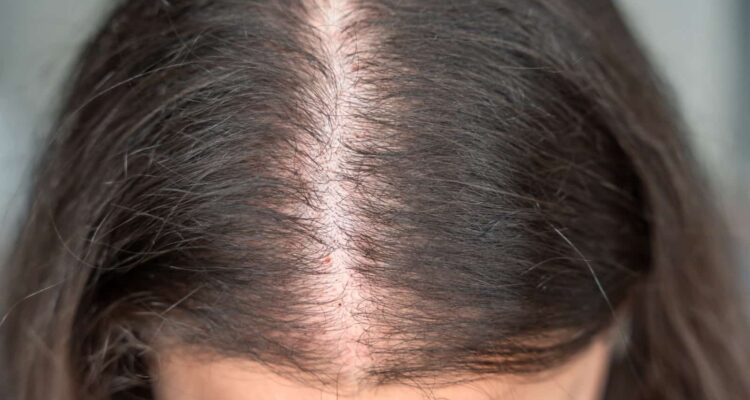

Hair is often seen as a symbol of confidence and identity, so noticing it thin or fall excessively can be distressing. While occasional hair shedding is normal, persistent hair loss can feel alarming. Understanding why it happens is the first step toward finding the right treatment and restoring healthy hair growth.
When Does Hair Loss Become a Concern?
Losing around 50–100 strands a day is part of the natural hair cycle. However, it may signal a problem if you notice:
- Excessive or sudden shedding
- Visible thinning over time
- Receding hairline
- Bald patches or reduced hair density
In such cases, identifying the root cause becomes essential.
Common Causes of Hair Loss in Men
Genetics (Androgenetic Alopecia)
The most common reason for hair loss in men, often starting with a receding hairline or thinning at the crown.
Hormonal Factors
DHT (dihydrotestosterone) can shrink hair follicles, leading to gradual thinning.
Medical Conditions
Issues like thyroid disorders, scalp infections, or autoimmune diseases may trigger hair fall.
Poor Nutrition
Lack of protein, iron, zinc, and essential vitamins can weaken hair roots.
Stress and Lifestyle
High stress levels can push hair into a resting phase, causing sudden shedding.
Common Causes of Hair Loss in Women
Hair loss in women is often more complex and may involve multiple factors:
Hormonal Changes
Pregnancy, menopause, PCOS, and thyroid imbalances can disrupt hair growth cycles.
Nutritional Deficiencies
Iron deficiency anemia is a major contributor to hair loss in women.
Stress and Emotional Factors
Physical or emotional stress can lead to noticeable shedding.
Hair Styling Practices
Frequent heat styling, chemical treatments, or tight hairstyles can damage follicles.
Medical Issues
Conditions like alopecia areata or scalp disorders may cause patchy hair loss.
Lifestyle Habits That Worsen Hair Loss
Certain everyday habits can accelerate hair fall in both men and women:
- Unbalanced diet or crash dieting
- Poor sleep quality
- Smoking and alcohol consumption
- Pollution and environmental exposure
- Inadequate hair care routine
Why You Shouldn’t Ignore Hair Loss
While mild hair fall is normal, ongoing or severe hair loss may indicate an underlying issue. Proper diagnosis is key. Doctors often recommend blood tests (for iron, thyroid, vitamins), scalp analysis, and medical history evaluation to determine the cause and suggest the right treatment.
When to Consult a Specialist
Consider seeing a hair expert if:
- Hair fall continues for more than three months
- You notice thinning or bald spots
- Over-the-counter treatments are not effective
Popular Hair Loss Treatments
Modern treatments offer several options to control hair fall and promote regrowth:
Medications (Minoxidil & Finasteride)
These are widely used to slow hair loss and stimulate regrowth by improving blood flow and reducing DHT levels.
PRP (Platelet-Rich Plasma) Therapy
Uses your own blood’s growth factors to stimulate hair follicles and improve density.
GFC (Growth Factor Concentrate) Therapy
An advanced version of PRP with higher concentration of growth factors.
QR678 Therapy
A non-surgical injectable treatment that nourishes follicles and reduces hair fall.
Exosome Therapy
A regenerative approach that activates dormant follicles and improves scalp health.
Stem Cell Therapy
Focuses on repairing damaged follicles and promoting long-term hair growth.
Autologous Micrografting
Uses your own tissue to regenerate hair follicles and enhance hair quality.
Tips to Prevent Hair Loss
Prevention plays a crucial role in maintaining healthy hair:
- Eat a balanced, protein-rich diet
- Manage stress through yoga or meditation
- Limit heat styling and chemical treatments
- Use mild, sulfate-free hair products
- Oil your hair regularly
- Schedule routine health checkups
Final Thoughts
Hair loss can be frustrating, but it’s often manageable with the right approach. Early diagnosis, proper treatment, and healthy lifestyle choices can make a significant difference.
If hair fall is affecting your confidence, consulting a qualified specialist can help you identify the cause and choose a personalized treatment plan. With today’s advanced solutions, restoring stronger, healthier hair is more achievable than ever.