

Irritable Bowel Syndrome (IBS) is one of the most common digestive disorders, affecting millions of people worldwide. It can cause uncomfortable symptoms such as abdominal pain, bloating, gas, diarrhea, constipation, or a combination of both. While there is no single cure for IBS, many people find significant symptom relief by making dietary changes. One of the most well-researched approaches is the low FODMAP diet.
The connection between IBS and FODMAPs has gained considerable attention because certain carbohydrates can trigger digestive symptoms in sensitive individuals. However, understanding how the diet works—and using it correctly—is essential for achieving the best results.
In this article, we’ll explain what IBS and FODMAPs are, how they are connected, and what strategies actually help manage IBS symptoms.
What Is IBS?
Irritable Bowel Syndrome (IBS) is a chronic disorder that affects how the large intestine functions. It is considered a functional gastrointestinal disorder, meaning symptoms occur without visible structural damage to the digestive tract.
Common symptoms include:
- Abdominal pain or cramping
- Bloating
- Excessive gas
- Diarrhea (IBS-D)
- Constipation (IBS-C)
- Alternating diarrhea and constipation (IBS-M)
- A feeling of incomplete bowel movements
Symptoms often vary in severity and may be triggered by certain foods, stress, hormonal changes, or other lifestyle factors.
What Are FODMAPs?
FODMAP stands for:
- Fermentable
- Oligosaccharides
- Disaccharides
- Monosaccharides
- And
- Polyols
These are short-chain carbohydrates that are poorly absorbed in the small intestine. When they reach the large intestine, gut bacteria ferment them, producing gas and drawing water into the bowel. For people with IBS, this process can contribute to digestive discomfort.
Foods high in FODMAPs include:
- Onions
- Garlic
- Wheat-based products
- Apples
- Pears
- Watermelon
- Milk
- Soft cheeses
- Yogurt (containing lactose)
- Beans and lentils
- Honey
- Sugar alcohols such as sorbitol and mannitol
Not everyone reacts to the same foods, which is why identifying personal triggers is important.
How the Low FODMAP Diet Works
The low FODMAP diet is designed to reduce foods that commonly trigger IBS symptoms. It is not intended to be a permanent elimination diet but rather a structured process that helps identify individual food sensitivities.
The diet typically involves three phases:
1. Elimination Phase
For a short period, high-FODMAP foods are reduced or avoided to see if symptoms improve.
2. Reintroduction Phase
Foods are gradually reintroduced one group at a time to determine which FODMAPs trigger symptoms and which are well tolerated.
3. Personalization Phase
Once trigger foods are identified, a long-term eating plan is developed that includes as many tolerated foods as possible while minimizing symptoms.
Because this process can be complex, many people benefit from guidance from a registered dietitian.
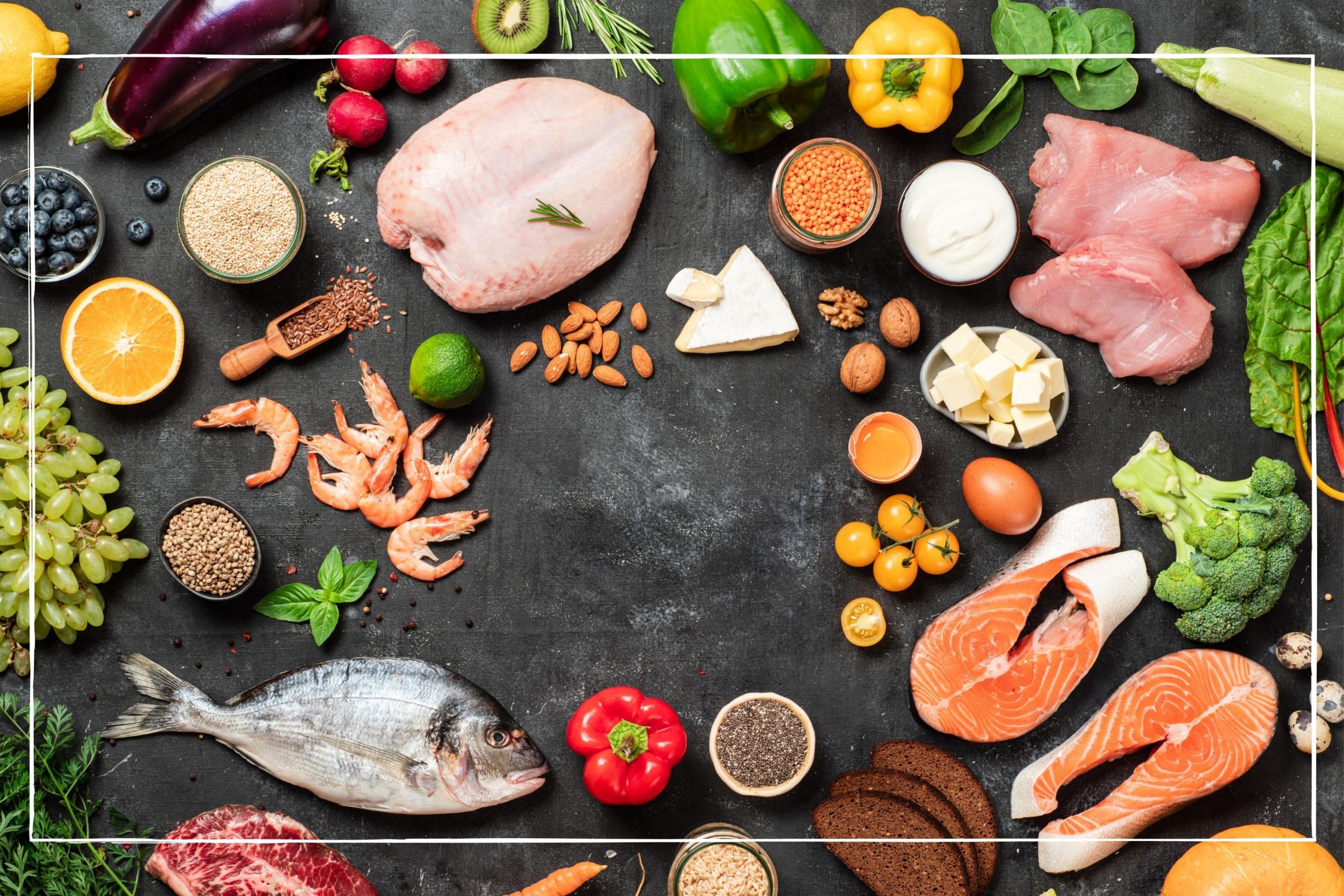
Foods That Are Usually Low in FODMAPs
Many nutritious foods naturally contain low levels of FODMAPs and are often included in a low FODMAP eating plan.
Examples include:
Fruits
- Bananas
- Blueberries
- Grapes
- Oranges
- Strawberries
- Kiwi
Vegetables
- Carrots
- Spinach
- Cucumbers
- Bell peppers
- Zucchini
- Tomatoes
Proteins
- Eggs
- Chicken
- Turkey
- Fish
- Beef
- Tofu (firm)
Grains
- Rice
- Oats
- Quinoa
- Gluten-free pasta
- Corn products
Dairy Alternatives
- Lactose-free milk
- Almond milk
- Rice milk (where appropriate)
- Hard cheeses in moderate amounts
A balanced diet remains important, even while limiting certain foods.
Benefits of a Low FODMAP Diet for IBS
Research suggests that many people with IBS experience improvements after following a properly managed low FODMAP diet.
Potential benefits include:
- Reduced bloating
- Less abdominal pain
- Fewer episodes of diarrhea
- Improved bowel regularity
- Reduced gas
- Better quality of life
- Increased confidence when eating
Not everyone responds the same way, but many individuals notice meaningful symptom relief.
Other Lifestyle Changes That Can Help
Diet is only one part of managing IBS. Combining dietary changes with healthy lifestyle habits often provides the best results.
Manage Stress
Stress and anxiety can worsen IBS symptoms by affecting the communication between the brain and the digestive system.
Helpful stress-management techniques include:
- Meditation
- Deep breathing exercises
- Yoga
- Regular physical activity
- Mindfulness practices
Exercise Regularly
Moderate exercise supports healthy digestion and may reduce constipation and stress.
Aim for at least 150 minutes of moderate physical activity each week, such as walking, swimming, or cycling.
Stay Hydrated
Drinking enough water helps maintain normal bowel function, particularly for people with constipation-predominant IBS.
Eat Regular Meals
Eating smaller meals at consistent times may reduce digestive discomfort compared with large, infrequent meals.
Keep a Food and Symptom Diary
Recording meals and symptoms can help identify individual food triggers and patterns over time.
Common Myths About IBS and FODMAPs
Myth 1: Everyone With IBS Needs a Low FODMAP Diet
Not necessarily. While many people benefit, others may have different triggers or underlying conditions that require a different approach.
Myth 2: High-FODMAP Foods Are Unhealthy
Many high-FODMAP foods are rich in vitamins, minerals, and fiber. The goal is to identify personal intolerances—not eliminate nutritious foods unnecessarily.
Myth 3: The Low FODMAP Diet Is Permanent
The elimination phase is temporary. Long-term restriction of many foods is generally not recommended because it may reduce dietary variety and affect the gut microbiome.
Myth 4: IBS Is “Just Stress”
Although stress can worsen symptoms, IBS is a recognized medical condition involving interactions between the gut, nervous system, and other biological factors.
When to See a Healthcare Professional
If you experience persistent digestive symptoms, consult a healthcare provider for an evaluation. Symptoms such as unexplained weight loss, rectal bleeding, anemia, fever, or persistent vomiting require prompt medical attention, as they may indicate conditions other than IBS.
A healthcare professional can help confirm the diagnosis and recommend appropriate treatment, which may include dietary changes, medications, or other therapies.
Tips for Successfully Following a Low FODMAP Diet
To make the diet easier and more effective:
- Work with a registered dietitian whenever possible.
- Read food labels carefully for hidden high-FODMAP ingredients.
- Introduce changes gradually rather than all at once.
- Avoid unnecessary long-term food restrictions.
- Focus on overall nutrition, not just symptom control.
- Track your symptoms during each phase.
- Be patient, as identifying triggers can take time.
Conclusion
The relationship between IBS and FODMAPs has transformed how many people manage digestive symptoms. For individuals with IBS, a structured low FODMAP diet can reduce bloating, abdominal pain, gas, and irregular bowel habits by identifying foods that trigger discomfort.
However, what actually helps is not simply eliminating foods forever—it is following a systematic approach that includes elimination, careful reintroduction, and long-term personalization. Combined with stress management, regular exercise, adequate hydration, and medical guidance, this strategy can help many people gain better control over their symptoms and improve their quality of life.
Every person with IBS is different, so the most effective plan is one tailored to individual needs. Working with healthcare professionals and making informed lifestyle choices can help you build a sustainable approach to living well with IBS.