
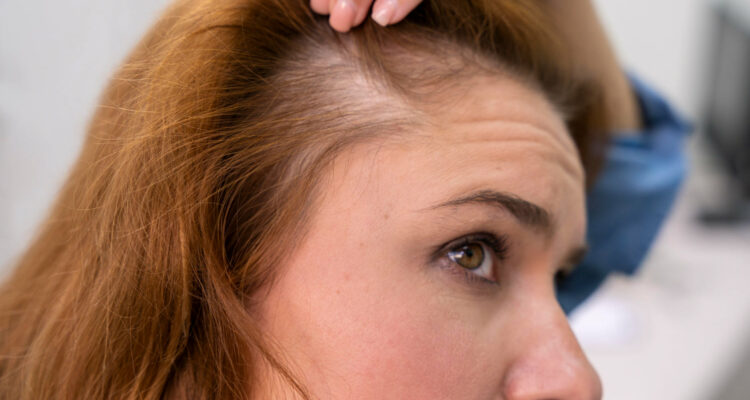

Hair loss can feel overwhelming — but you’re far from alone. Millions of people experience thinning, shedding, or bald spots at some point in their lives. The good news? Today’s treatments are more advanced, personalized, and effective than ever before.
Let’s walk through what causes hair loss, who it affects, and the options available to help you regain thicker, healthier-looking hair.
Understanding Hair Loss
Hair loss, medically known as Alopecia, refers to partial or complete hair thinning in areas where hair typically grows. It may appear as gradual thinning, a receding hairline, patchy bald spots, or widespread shedding.
Hair growth follows a natural cycle:
-
Anagen – active growth phase
-
Catagen – transitional phase
-
Telogen – resting/shedding phase
When this cycle becomes disrupted, follicles produce thinner strands — or stop producing hair altogether.
Hair loss isn’t just cosmetic. It can affect self-confidence, emotional well-being, and overall quality of life. Recognizing what’s happening is the first empowering step toward change.
Who Experiences Hair Loss?
Hair loss doesn’t discriminate. Men and women of all ages can experience it.
The most common form is Androgenetic alopecia — often called male or female pattern baldness.
-
Men typically notice a receding hairline or thinning at the crown.
-
Women more often experience diffuse thinning, especially after menopause.
Some people see changes in their 20s, while others notice it later in life. The timeline varies widely depending on genetics, hormones, and health factors.
Why Does Hair Loss Happen?
There isn’t one single cause. Hair thinning can result from:
-
Genetics (family history plays a major role)
-
Hormonal changes, including increased DHT levels
-
Thyroid disorders or autoimmune conditions
-
Stress and illness
-
Medications
-
Nutritional deficiencies
-
Rapid weight loss
-
Postpartum hormonal shifts
In men especially, elevated DHT can shrink hair follicles — a process called miniaturization — eventually halting growth.
The key is identifying your specific trigger. Once you know the root cause, the right treatment becomes much clearer.
Is Hair Loss Always Permanent?
Not necessarily.
Many types of shedding are temporary and resolve once the body stabilizes. Examples include:
-
Postpartum hair loss
-
Recovery after surgery
-
Stress-related shedding
-
Illness or major life changes
-
Chemotherapy (hair often regrows after treatment ends)
If the underlying issue is corrected, hair can often return naturally. When thinning persists, treatment options are available to support regrowth.
Hair Loss Treatments & Procedures
Modern hair restoration includes everything from topical solutions to advanced surgical procedures. The best approach depends on your age, gender, genetics, lifestyle, and goals.
Here’s a closer look at the most common options:
Minoxidil
A topical solution applied directly to the scalp, Minoxidil works by extending the growth (anagen) phase of the hair cycle. It’s available over the counter and suitable for both men and women.
Consistency is essential — visible improvement typically takes 3–6 months.
Finasteride (Propecia)
This prescription pill reduces DHT levels by blocking the hormone responsible for follicle shrinkage. It’s primarily used for male pattern baldness and is not FDA-approved for women.
Like most treatments, results require ongoing use.
Low-level laser therapy (LLLT)
Also known as red light therapy, LLLT stimulates follicles using gentle laser energy. It may improve blood flow and cellular activity in the scalp.
Devices are available for home use or in professional clinics. It’s non-invasive and painless.
Scalp micropigmentation
Scalp Micropigmentation (SMP) uses specialized pigment to create the appearance of tiny hair follicles. It doesn’t regrow hair — but it creates the illusion of density and a fuller hairline.
Ideal for:
-
Shaved styles
-
Thinning crowns
-
Scar camouflage
Hair Replacement Systems
These non-surgical systems integrate custom-matched human hair with your existing strands. They deliver immediate density and natural-looking results without surgery.
For many, this option offers instant transformation and confidence.
Hair transplantation
Hair transplantation relocates follicles from a donor area (usually the back of the scalp) to thinning regions.
Two main techniques:
-
FUT (Follicular Unit Transplantation)
-
FUE (Follicular Unit Extraction)
It provides long-lasting, natural results — though it won’t prevent future thinning in untreated areas.
Supporting Hair Growth Naturally
While medical treatments can be powerful, lifestyle habits matter too. Supporting your overall health can improve outcomes.
Consider:
-
Eating a protein-rich, nutrient-dense diet
-
Managing stress (yoga, meditation, exercise)
-
Getting quality sleep
-
Staying hydrated
-
Avoiding harsh chemical treatments
-
Quitting smoking
-
Gentle scalp massage to boost circulation
Natural methods require patience and consistency — and results vary — but they can strengthen hair and complement clinical treatments.
When Will You See Results?
Hair regrowth is gradual.
Most treatments require 3–6 months before noticeable changes appear. Full improvement may take a year or more.
Consistency is everything. Skipping applications or stopping too soon often leads to stalled progress.
Avoid damaging practices during treatment — including chemical relaxers, excessive heat styling, and tight hairstyles — to protect new growth.
The Benefits of Addressing Hair Loss
Choosing to treat hair loss can offer:
-
Increased density and growth
-
Prevention of further thinning
-
Long-term or permanent improvement (depending on method)
-
Improved self-confidence
-
Greater styling versatility
Perhaps most importantly — it restores a sense of control.
Taking the First Step
Hair loss may feel discouraging, but it’s highly treatable. From medications and light therapy to surgical restoration and lifestyle adjustments, solutions exist for nearly every stage and pattern of thinning.
The most effective strategy? Early action.
Consulting a qualified specialist can help identify the underlying cause and create a plan tailored specifically to you.
With the right approach, patience, and guidance, fuller, healthier-looking hair is absolutely within reach — and so is the confidence that comes with it.