
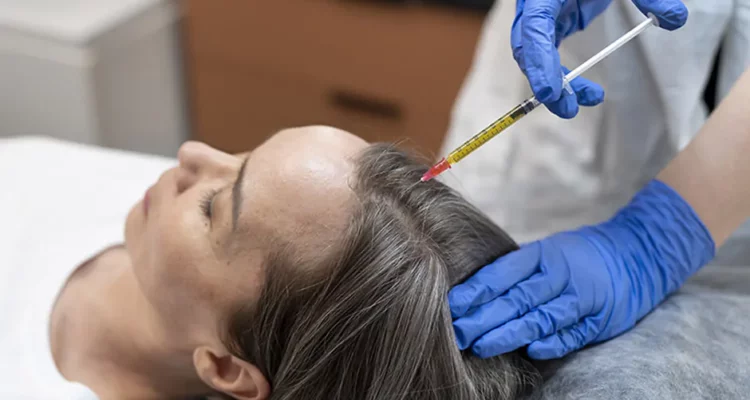
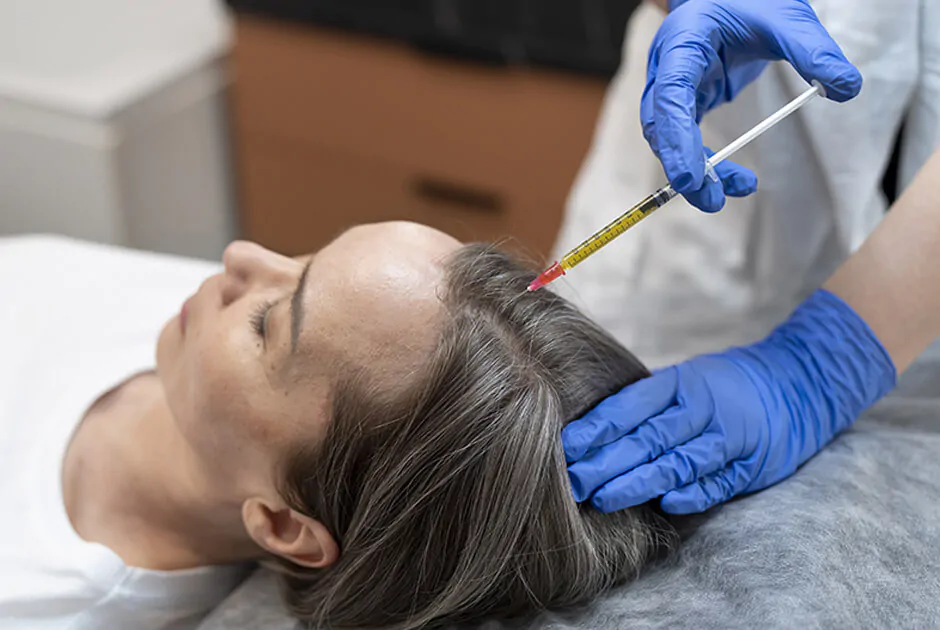
A great hair day isn’t just about styling—it’s about thickness, strength, and confidence. For many people, hair loss goes far beyond appearance. It can affect self-esteem, mood, and overall wellbeing. That’s why finding the right treatment matters—it’s not just cosmetic, it’s personal.
Understanding Different Types of Hair Loss
Hair loss isn’t one-size-fits-all. It comes in different forms, each with its own cause and solution.
1. Pattern Hair Loss (Androgenetic Alopecia)
The most common type, affecting both men and women. It’s linked to genetics and sensitivity to DHT (a hormone).
- Men: Receding hairline or thinning crown
- Women: Gradual thinning along the part or crown
2. Stress-Related Shedding (Telogen Effluvium)
Triggered by physical or emotional stress, illness, or major life changes.
- Sudden, noticeable hair fall
- Usually temporary, with regrowth over time
3. Hormonal Hair Loss
Hormonal shifts—such as during pregnancy, postpartum, or menopause—can disrupt the hair growth cycle.
- Postpartum shedding is very common but often reversible
- Menopause-related thinning may require ongoing support
4. Alopecia Areata
An autoimmune condition where the body attacks hair follicles.
- Causes patchy hair loss
- Regrowth can occur, though recurrence is possible
What Causes Hair Loss?
Hair loss is often influenced by multiple factors working together. Understanding these can help you address the root problem.
Nutrition
Hair isn’t a priority for the body. If nutrients are lacking, growth suffers.
- Low iron, protein, zinc, or biotin can lead to thinning
Scalp Health
A healthy scalp is essential for healthy hair.
- Build-up, inflammation, or poor circulation can weaken follicles
Lifestyle Habits
Smoking, poor sleep, alcohol, and pollution increase oxidative stress, damaging hair over time.
Stress
High stress levels can push hair into the shedding phase, leading to noticeable hair fall.
Rapid Weight Loss or Medications
Sudden weight changes or certain treatments can trigger temporary shedding, often due to nutritional imbalances.
How to Treat Hair Loss Effectively
The best approach is holistic—supporting hair growth from both inside and outside.
Relying on a single product, like a shampoo, usually isn’t enough. Real results come from combining multiple strategies:
- Nourishing the body with proper nutrients
- Improving scalp health
- Reducing stress and inflammation
- Using gentle, non-toxic hair care products
Also, don’t overlook tools. Harsh brushes or tight hairstyles can break fragile new strands, undoing progress.
Why Scalp Care Matters
Think of your scalp as the foundation for hair growth. If it’s unhealthy, hair won’t thrive.
Focus on:
- Boosting blood circulation
- Keeping the scalp clean and balanced
- Reducing irritation and buildup
Healthy “soil” leads to stronger, thicker “growth.”
Choosing the Right Treatment for You
There’s no universal solution. The best treatment depends on what’s causing your hair loss.
- Stress-related: Focus on relaxation, sleep, and adaptogens
- Hormonal: Support internal balance and nutrition
- Genetic: Long-term strategies to strengthen follicles and manage DHT
- Scalp issues: Use treatments that cleanse, exfoliate, and soothe
Avoid blindly following trends—target the root cause instead.
Clean vs Conventional Hair Treatments
Many traditional products contain harsh chemicals that may irritate the scalp or disrupt natural balance.
Cleaner alternatives focus on:
- Plant-based ingredients
- Nutritional support
- Gentle, non-toxic formulations
These options aim to support long-term hair health rather than quick, temporary fixes.
Habits That Support Hair Growth
Consistency is key. Small daily habits can make a big difference over time:
- Eat protein- and iron-rich foods
- Manage stress through exercise or mindfulness
- Massage your scalp regularly
- Avoid excessive heat styling
- Support gut health for better nutrient absorption
The Bottom Line
There’s no single “best” hair loss treatment for everyone. The most effective approach is one that addresses your specific cause while supporting overall hair and scalp health.
Strong, healthy hair is built over time—with the right care, consistency, and a strategy tailored to your body.