
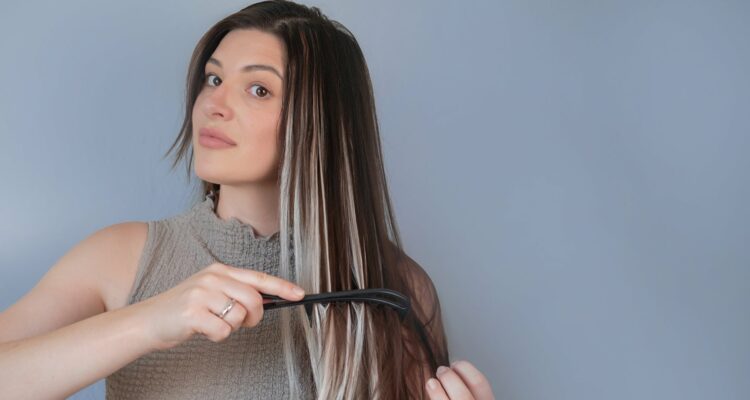

Hair extensions have become one of the easiest ways to change your hairstyle without waiting months for your natural hair to grow. Whether you want extra length, more volume, or a completely different look for a special occasion, hair extensions offer plenty of possibilities. With different types, application methods, colors, and textures available, choosing the right extension can sometimes feel confusing. This complete guide will help you understand the basics before making a decision.
What Are Hair Extensions?
Hair extensions are additional strands of hair attached to your natural hair to increase its length, thickness, or both. They can be made from real human hair or synthetic fibers. Human hair extensions generally provide a more natural appearance because they can usually be styled, washed, and treated similarly to your own hair.
Synthetic extensions are often more affordable and come in a wide variety of colors and styles. However, they may not tolerate heat styling as well as human hair. Your choice should depend on your budget, desired appearance, and how frequently you plan to wear the extensions.
Different Types of Hair Extensions
There are several popular types of hair extensions, and each has its own advantages.
Clip-In Hair Extensions
Clip-in extensions are among the easiest options for beginners. Small clips are attached to sections of extension hair, which can be secured to your natural hair. They can be put on and removed at home without professional assistance.
They are particularly useful when you want longer or fuller hair temporarily for parties, weddings, photographs, or other events. Since they are not designed for continuous wear, you can remove them before sleeping.
Tape-In Hair Extensions
Tape-in extensions consist of thin sections of hair attached using adhesive tape. They are placed close to the roots of your natural hair and can create a relatively seamless appearance.
Tape-ins are lightweight and can be comfortable when applied correctly. Because the adhesive requires proper placement and maintenance, professional application is often recommended.
Sew-In Hair Extensions
Sew-in extensions, sometimes called weaves, are attached to braided sections of natural hair using a needle and thread. They can provide significant volume and length and are particularly popular among people with thicker or textured hair.
However, they require careful installation and maintenance. Excessive tension from tightly installed extensions can make the hairstyle uncomfortable and may place stress on the natural hair.
Fusion or Bonded Extensions
Fusion extensions are attached to small sections of natural hair using a bonding material. They can provide a natural-looking result because individual strands or small groups of strands are attached throughout the hair.
This method generally requires professional application and removal. Proper aftercare is important to prevent tangling and unnecessary damage.
Halo Hair Extensions
Halo extensions sit around the head using a thin wire-like band, while the natural hair covers the attachment. They are relatively quick to install and can be a convenient choice for people who want extra volume and length without permanent attachment.
Human Hair vs. Synthetic Hair
One of the biggest decisions is whether to choose human hair or synthetic extensions.
Human hair extensions usually offer greater versatility. Depending on the product, they can be curled, straightened, washed, and colored. They also tend to blend more naturally with your own hair.
Synthetic extensions are generally less expensive and can be a good choice for occasional use. However, they may have limitations when exposed to heat and may not blend as naturally with certain hair textures.
If you plan to wear extensions regularly, investing in good-quality human hair can be worthwhile.
How to Choose the Right Hair Extensions
Start by considering your natural hair type, desired length, and lifestyle. Someone who wants temporary volume may prefer clip-ins, while someone looking for longer-lasting results might consider tape-ins or another professional method.
Color matching is equally important. Extensions should closely match the mid-lengths and ends of your natural hair rather than only the roots. If your hair has highlights or multiple tones, choosing extensions with blended shades can create a more natural finish.
You should also consider weight. Very heavy extensions may put unnecessary strain on fine or fragile hair. A professional stylist can help determine an appropriate amount.
How to Care for Hair Extensions
Proper care can help extensions remain attractive for longer. Brush your hair gently, starting from the ends and gradually moving toward the roots. Avoid aggressive pulling, especially around attachment points.
Use hair products suitable for extensions and avoid applying excessive conditioner or oily products directly to adhesive areas. When washing, be gentle and avoid rough rubbing.
If your extensions are heat-friendly, always use appropriate heat protection before using styling tools. Sleeping with completely wet hair can also increase tangling, so allow your hair to dry properly first.
Common Mistakes to Avoid
One common mistake is choosing extensions that are too heavy for your natural hair. Another is trying to install or remove professional extensions without knowing the correct technique.
Using excessive heat, neglecting regular maintenance, or brushing too aggressively can also shorten the lifespan of extensions. It is important to follow the care instructions provided with your specific type of extension.
How Long Do Hair Extensions Last?
The lifespan of hair extensions varies considerably depending on the type, quality, application method, and care routine. Temporary clip-ins can last for many uses when stored and maintained properly. Semi-permanent extensions may need professional adjustment or replacement as your natural hair grows.
Regular maintenance and gentle handling can make a significant difference in how long your extensions remain in good condition.
Final Thoughts
Hair extensions can transform your appearance by adding length, volume, or even a new color without making a permanent change to your natural hair. From convenient clip-ins to professional semi-permanent methods, there is an option for almost every preference and budget.
The key is to choose extensions that suit your natural hair, lifestyle, and styling goals. With the right type, proper application, and consistent care, hair extensions can become a versatile addition to your beauty routine.