

Introduction
Hair loss in women is more common than many people think, yet it’s often misunderstood or overlooked. While male hair loss tends to follow predictable patterns, hair thinning in women can be more varied, subtle, and emotionally challenging.
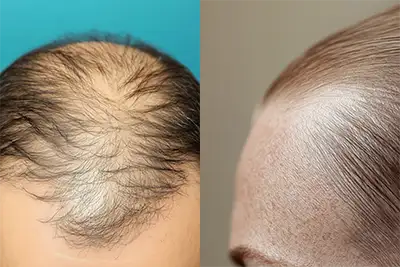
Unlike the typical receding hairline seen in men, women may experience gradual thinning, changes in volume, or a widening part—often without clear warning signs. The good news is that there are effective solutions available, and understanding the root cause is the first step toward finding the right treatment.
How Women’s Hair Loss Differs From Men’s
Men usually experience hair loss in recognizable stages, such as a receding hairline or thinning at the crown. In contrast, women often notice a more diffuse pattern. This can include thinning across the top of the scalp, reduced overall volume, or a ponytail that feels noticeably smaller over time.
Complete baldness is rare in women, but even moderate thinning can significantly impact confidence and self-image.
Common Causes of Hair Loss in Women
Several factors can contribute to hair loss in women, often making it more complex than in men. The most common cause is androgenetic alopecia, also known as female pattern hair loss.
However, other triggers are just as important, including:
- Hormonal changes: Pregnancy, postpartum recovery, perimenopause, and menopause can all disrupt the hair growth cycle
- Thyroid imbalances: Both overactive and underactive thyroid conditions can lead to hair thinning
- Autoimmune disorders: Conditions like alopecia areata may cause patchy hair loss
- Lifestyle and styling habits: Frequent heat styling, tight hairstyles, or harsh chemical treatments can weaken hair over time
Because multiple factors can overlap, identifying the exact cause often requires careful evaluation.
The Emotional Impact
Hair loss is not just a physical issue—it can deeply affect emotional well-being. Many women describe feelings of embarrassment, frustration, or isolation as their hair changes.
It’s also common for women to delay seeking help, either because they assume nothing can be done or feel uncomfortable discussing it. In reality, support and solutions are available, and reaching out can make a meaningful difference.
Treatment Options to Consider
Today, there are a variety of treatments designed specifically for women, depending on the cause and severity of hair loss. These may include:
- Low-level laser therapy: Helps stimulate hair follicles and promote growth
- Hair restoration procedures: Customized grafting techniques to improve density
- Hair extensions: Add volume and fullness for a natural appearance
- Wigs and hair systems: Available in both natural and synthetic options for immediate results
A personalized approach is essential. Proper diagnosis—often involving detailed scalp analysis—ensures that treatment is both safe and effective.
Taking the First Step
No two hair loss journeys are the same, which is why treatment should never be one-size-fits-all. Understanding your specific condition is the foundation for choosing the right solution.
If you’re experiencing hair thinning or loss, seeking professional guidance can provide clarity and direction. With the right support, it’s possible to restore not just your hair, but also your confidence.