
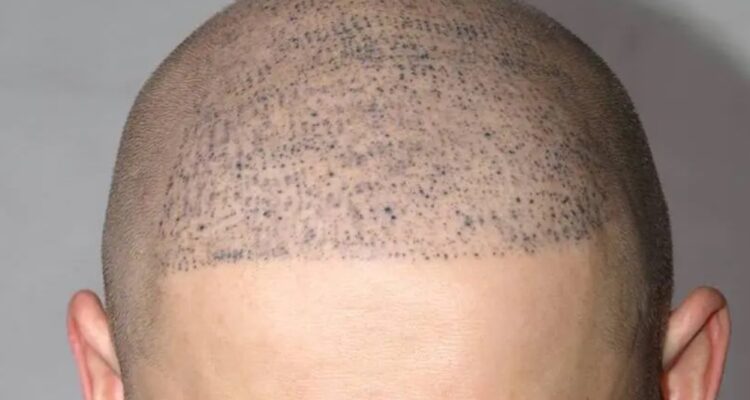
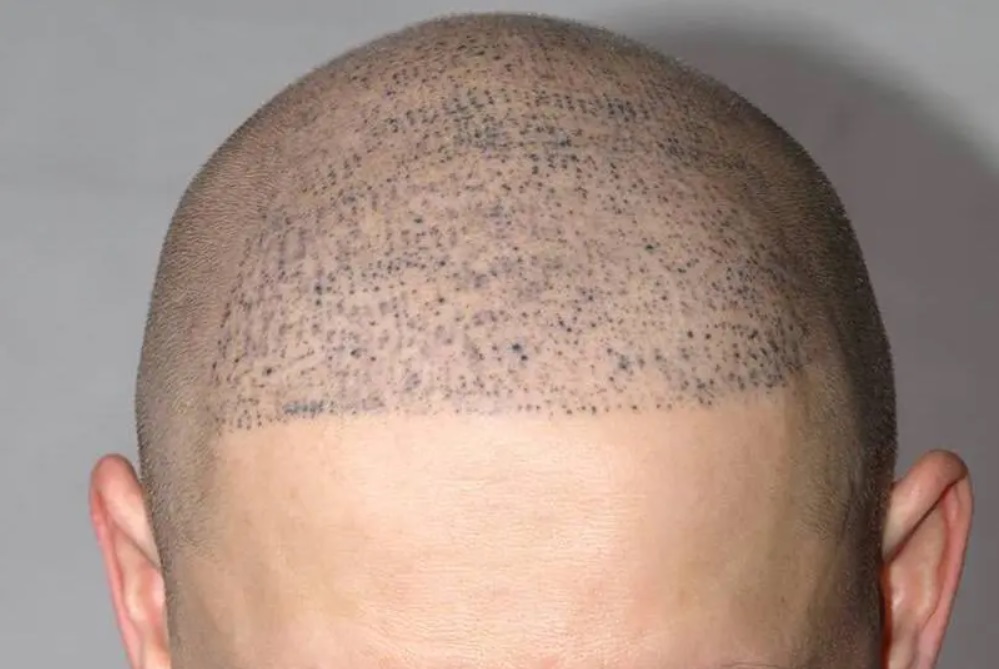
Scalp micropigmentation (SMP) has become a popular cosmetic solution for people experiencing hair loss, thinning hair, or baldness. This non-surgical procedure uses specialised pigments and fine needles to create tiny dots on the scalp, replicating the appearance of natural hair follicles. It can create the illusion of a closely shaved hairstyle or make thinning hair appear denser.
Although scalp micropigmentation offers several aesthetic benefits, one common question people ask before booking an appointment is: Does scalp micropigmentation hurt?
The short answer is that SMP can cause some discomfort, but most people describe the sensation as manageable. Pain levels vary depending on individual sensitivity, the treatment area, the technician’s technique, and the number of sessions required. Understanding what to expect can help you feel more comfortable before undergoing the procedure.
What Does Scalp Micropigmentation Feel Like?
Scalp micropigmentation involves depositing small amounts of pigment into the upper layers of the skin using specialised equipment. Since the procedure uses tiny needles, you may experience sensations similar to light scratching, tingling, or repeated pinpricks.
Many people compare the feeling to getting a tattoo, although SMP generally uses a different technique and works at a more superficial skin depth.
The sensation is not necessarily painful for everyone. Some individuals experience only mild discomfort, while others may find certain areas more sensitive.
Which Areas of the Scalp Hurt the Most?
Pain sensitivity can vary depending on the location being treated.
Some areas of the scalp have more sensitive skin or may be closer to underlying bone structures, making them feel more uncomfortable during treatment.
Commonly reported differences include:
1. Hairline Area
The front hairline is relatively sensitive for some individuals. Because the technician must create precise pigment impressions, the process may produce mild stinging or scratching sensations.
2. Crown Area
The crown is often considered manageable by many clients. However, individual sensitivity and the amount of treatment required can influence discomfort.
3. Back of the Head
The back of the scalp may feel less sensitive for some people, although this is not universal.
4. Temples and Sides
The temples can be particularly sensitive because of their delicate skin and proximity to the ears and surrounding structures.
Your technician can adjust the treatment approach according to your comfort level.
Factors That Affect Scalp Micropigmentation Pain
Several factors influence how much discomfort someone experiences during an SMP session.
Individual Pain Tolerance
Everyone has a different pain threshold. A sensation that feels like mild irritation to one person may feel uncomfortable to another.
Your previous experience with tattoos or other cosmetic procedures may provide some indication of your sensitivity, but it cannot accurately predict how SMP will feel.
Treatment Area
Larger treatment areas generally require more time and pigment impressions. Treating the entire scalp may involve longer sessions than treating a small thinning area.
Technician’s Experience
An experienced SMP practitioner understands the appropriate needle depth, pressure, spacing, and technique. Proper technique can help minimise unnecessary skin irritation and discomfort.
Skin Sensitivity
People with sensitive or irritated scalp skin may experience more discomfort. Existing inflammation, sunburn, or certain scalp conditions can make the procedure less comfortable.
Session Duration
Longer sessions may lead to temporary skin fatigue and increased sensitivity. Taking short breaks can help clients remain comfortable.
Does Scalp Micropigmentation Hurt More Than a Tattoo?
SMP and traditional tattooing share some similarities because both involve depositing pigment into the skin using needles. However, they differ in technique, equipment, and application depth.
Traditional tattoos often penetrate deeper layers of skin and may cover larger areas with solid colours or detailed designs. SMP uses tiny pigment impressions to replicate individual hair follicles.
As a result, many people find SMP less uncomfortable than traditional tattooing. However, pain is subjective, and some clients may still experience noticeable discomfort.
How Many Sessions Are Required?
Scalp micropigmentation typically requires multiple sessions to achieve a natural-looking result.
Most treatment plans involve approximately two to four sessions, depending on the extent of hair loss, desired density, skin response, and practitioner recommendations.
Each session may last between two and five hours, although treatment duration varies.
The first session generally establishes the initial follicle pattern. Subsequent sessions add density, refine the hairline, and improve overall consistency.
Allowing sufficient time between sessions helps the scalp recover and allows the practitioner to assess how the pigment has settled.
How to Reduce Pain During Scalp Micropigmentation
If you are concerned about discomfort, several steps may help make the experience more manageable.
1. Choose an Experienced Practitioner
Selecting a qualified and experienced SMP specialist is one of the most important decisions. Proper technique, hygiene, and professional equipment contribute to a safer and more comfortable experience.
2. Avoid Sunburn Before Treatment
Sunburn can make the scalp extremely sensitive. Avoid excessive sun exposure before your appointment and follow your practitioner’s preparation instructions.
3. Get Enough Rest
Being well-rested may help you feel more comfortable during the procedure. Avoid arriving at your appointment feeling exhausted or dehydrated.
4. Communicate With Your Technician
Let your practitioner know if you experience significant discomfort. They may be able to adjust the pressure, technique, or session pace.
5. Ask About Numbing Options
Some practitioners may offer topical numbing products when appropriate. However, their use should be discussed beforehand, as certain products may affect the skin and treatment process.
Do not apply numbing creams independently without consulting your practitioner.
What Happens After the Procedure?
After scalp micropigmentation, mild redness, tenderness, or sensitivity is common. These effects generally improve within a few days.
Some people may also experience slight itching or dryness as the scalp recovers.
To support proper healing:
- Follow your practitioner’s aftercare instructions.
- Avoid scratching or picking at the treated area.
- Keep the scalp clean according to the recommended schedule.
- Avoid excessive sweating and strenuous activities for the period advised.
- Protect the scalp from direct sunlight.
- Avoid swimming until your practitioner confirms it is safe.
If you experience severe pain, increasing redness, swelling, pus, fever, or other signs of infection, seek medical advice promptly.
Is Scalp Micropigmentation Worth the Discomfort?
For many people, scalp micropigmentation is worth considering because it provides a non-surgical way to improve the appearance of thinning hair and baldness.
Some potential benefits include:
- Creates the appearance of closely shaved hair.
- Makes thinning areas appear denser.
- Provides a non-surgical cosmetic option.
- Requires relatively little downtime.
- Can help create a more defined hairline.
- Does not require daily styling.
However, SMP is a cosmetic pigmentation procedure, not a treatment that restores hair growth. Results vary, and the pigment may gradually fade over time, making touch-up sessions necessary.
Frequently Asked Questions (FAQs)
1. Is scalp micropigmentation extremely painful?
Most people experience mild to moderate discomfort rather than extreme pain. However, individual pain tolerance and scalp sensitivity can affect the experience.
2. How long does the pain last after SMP?
Mild tenderness or redness may continue for a few days. Persistent or worsening pain should be evaluated by a healthcare professional.
3. Can I work after scalp micropigmentation?
Many people can return to normal daily activities relatively quickly. However, follow your practitioner’s instructions regarding exercise, sweating, and scalp care.
4. Does the second SMP session hurt more?
Not necessarily. Some people find subsequent sessions more comfortable because they know what to expect, while others may experience similar sensitivity.
5. Can numbing cream be used during SMP?
Some practitioners use topical numbing products when appropriate. Discuss the available options with your specialist before the procedure.
Final Thoughts
So, does scalp micropigmentation hurt? For most people, the procedure involves manageable discomfort rather than significant pain. The sensation is often described as light scratching or repeated pinpricks, although sensitive areas may feel more uncomfortable.
Choosing an experienced practitioner, understanding the treatment process, and following proper preparation and aftercare instructions can make the experience more comfortable.
If you are considering scalp micropigmentation, schedule a consultation with a qualified specialist to discuss your expectations, scalp condition, potential discomfort, and treatment options before making a decision.