
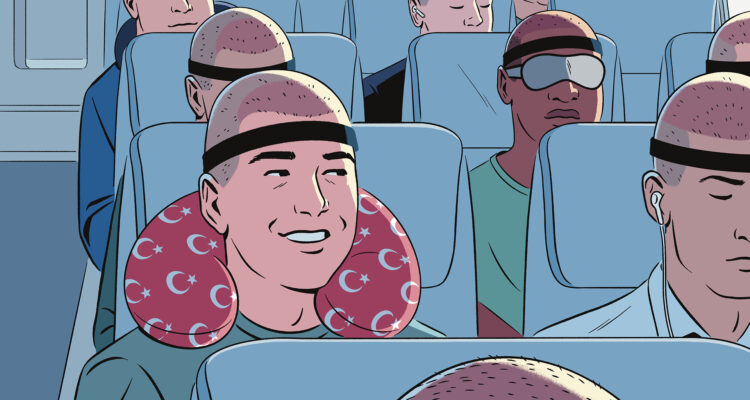

Thinking about getting a hair transplant in Turkey but still smoking? The question most patients ask is simple:
“Will smoking ruin my results?”
The honest answer: smoking increases risks — but it doesn’t automatically disqualify you. It just means you need better planning, stricter timing, and the right clinic.
Hair grafts are living tissue. Their survival depends entirely on healthy blood flow. And nicotine directly interferes with that process.
Let’s break down what this really means for you in 2026.
The Science: Why Smoking Affects Hair Transplants
Nicotine is a powerful vasoconstrictor. That means it narrows your blood vessels and reduces blood circulation.
After a transplant, newly implanted grafts rely on oxygen-rich blood to survive and establish themselves. When circulation is restricted:
-
Oxygen delivery drops
-
Nutrient supply decreases
-
Healing slows
-
Graft survival rates decline
This doesn’t just apply to cigarettes.
Vapes, nicotine gum, patches, and shisha all deliver nicotine — and all can compromise graft survival.
Real Risks Smokers Face
While many smokers still achieve good outcomes, the risks are statistically higher:
-
Slower wound healing
-
Increased infection risk
-
Greater inflammation
-
Reduced graft survival
-
Lower final density
-
Rare but serious risk of tissue necrosis
Necrosis — tissue death from lack of oxygen — is uncommon, but smoking significantly increases the likelihood.
If your goal is thick, natural density, smoking works directly against that objective.
FUE vs DHI: Does Technique Matter?
Two common methods dominate modern transplants:
-
FUE (Follicular Unit Extraction)
-
DHI (Direct Hair Implantation)
Both require strong blood supply. However, DHI can be slightly more sensitive in smokers because grafts are implanted immediately and require instant oxygenation.
The best technique depends on your vascular health — not marketing claims. A responsible surgeon will assess circulation, smoking history, and medical background before recommending an approach.
Pre-Op Rules: When Must You Stop Smoking?
If you’re serious about protecting your investment, timing matters.
Recommended Cessation Window
-
Minimum: 24 hours before surgery (for anesthesia safety)
-
Ideal: 7–14 days before surgery
-
Optimal: 2 weeks before and 2 weeks after
This allows blood vessels to relax and oxygen levels to normalize.
What If You Don’t Stop?
You significantly increase the risk of:
-
Poor graft take
-
Delayed healing
-
Visible scarring
-
Patchy growth
-
Financial loss from failed grafts
In short: you could spend thousands and compromise your own results.
Surgeon Risk-Reduction Checklist
A clinic experienced with smoker patients should evaluate:
-
Blood pressure
-
Oxygen saturation
-
Circulation health
-
Medical history (diabetes, vascular issues)
Supportive therapies may include:
-
PRP (Platelet-Rich Plasma)
-
Oxygen therapy
-
Post-op circulation support
If a clinic says smoking is “no problem at all,” that’s a red flag.
Post-Op Timeline: The Critical 14 Days
The first 7–10 days after surgery are crucial.
During this period:
-
Grafts are establishing blood supply
-
Any nicotine exposure can cause permanent graft loss
Even “just one cigarette” during this phase can negatively impact survival.
After two weeks, damage becomes less catastrophic — but smoking still affects overall hair quality and density long-term.
Vapes, Hookah & Nicotine Alternatives: Are They Safer?
There’s a common myth that switching to vaping or hookah is harmless during recovery.
It isn’t.
1️⃣ Nicotine Is the Real Threat
Whether from cigarettes, Juul, vape pens, gum, or patches — nicotine constricts blood vessels the same way.
Some modern vapes deliver even higher nicotine concentrations than traditional cigarettes.
2️⃣ Hookah (Shisha) and Carbon Monoxide
A one-hour hookah session can expose you to carbon monoxide levels comparable to dozens of cigarettes. Carbon monoxide binds to red blood cells and blocks oxygen delivery — exactly what healing grafts desperately need.
3️⃣ Zero-Nicotine Vapes
Safer than nicotine-based products, but still not ideal. Heat and vapor chemicals may increase inflammation during recovery.
Rule for the first 7–10 days: Nicotine-free. Not just smoke-free.
Do Smokers Get Thinner Results?
On average, heavy smokers may experience:
-
Slightly lower graft survival
-
Reduced density
-
Slower healing
But many still achieve excellent outcomes — if they follow strict protocols.
The key variable isn’t “Are you a smoker?”
It’s “Are you willing to pause and follow medical guidance?”
When Surgeons May Say No
In some cases, surgeons may postpone or decline surgery, especially if combined with:
-
Diabetes
-
Severe vascular compromise
-
Scarring alopecia
-
Heavy long-term smoking
A cautious surgeon is protecting you — not rejecting you.
How to Improve Your Odds
If you’re a smoker planning surgery, you can stack the odds in your favor:
-
Stop nicotine 2 weeks before and after
-
Hydrate consistently
-
Engage in light circulation-boosting exercise (if approved)
-
Consider PRP therapy
-
Be fully transparent about smoking habits
Perfection isn’t required. Commitment is.
Choosing the Right Clinic in Turkey
Turkey remains one of the world’s leading destinations for hair transplantation. But not all clinics handle smoker patients properly.
A professional clinic will:
-
Ask detailed questions about smoking
-
Adjust surgical planning
-
Provide written pre/post-op instructions
-
Include smoking-related risks in consent forms
If complications aren’t clearly discussed, reconsider your choice.
Real Patient Outcomes
Some smokers succeed — because they pause and follow protocol.
Others ignore guidelines and experience graft loss, uneven density, or require corrective surgery.
The difference is rarely luck. It’s compliance.
FAQ
Can smokers get a hair transplant?
Yes. But risks are higher, and strict nicotine cessation around surgery is essential.
Does smoking automatically disqualify you?
No. However, severe vascular compromise may require a longer cessation period before approval.
When should I stop smoking before surgery?
At minimum, 24 hours before. Ideally 7–14 days prior. For best outcomes, stop 2 weeks before and after surgery.