
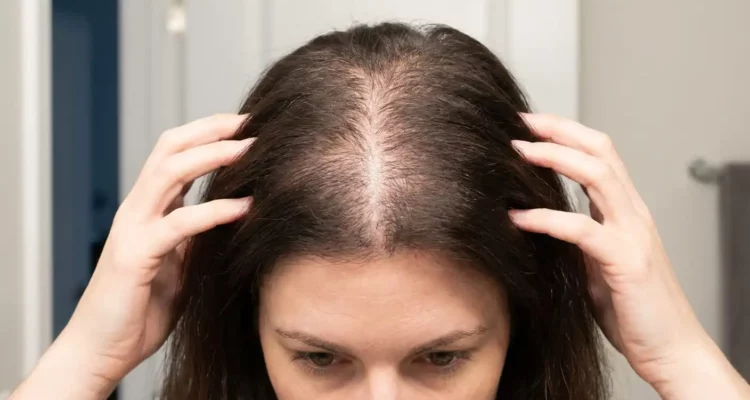
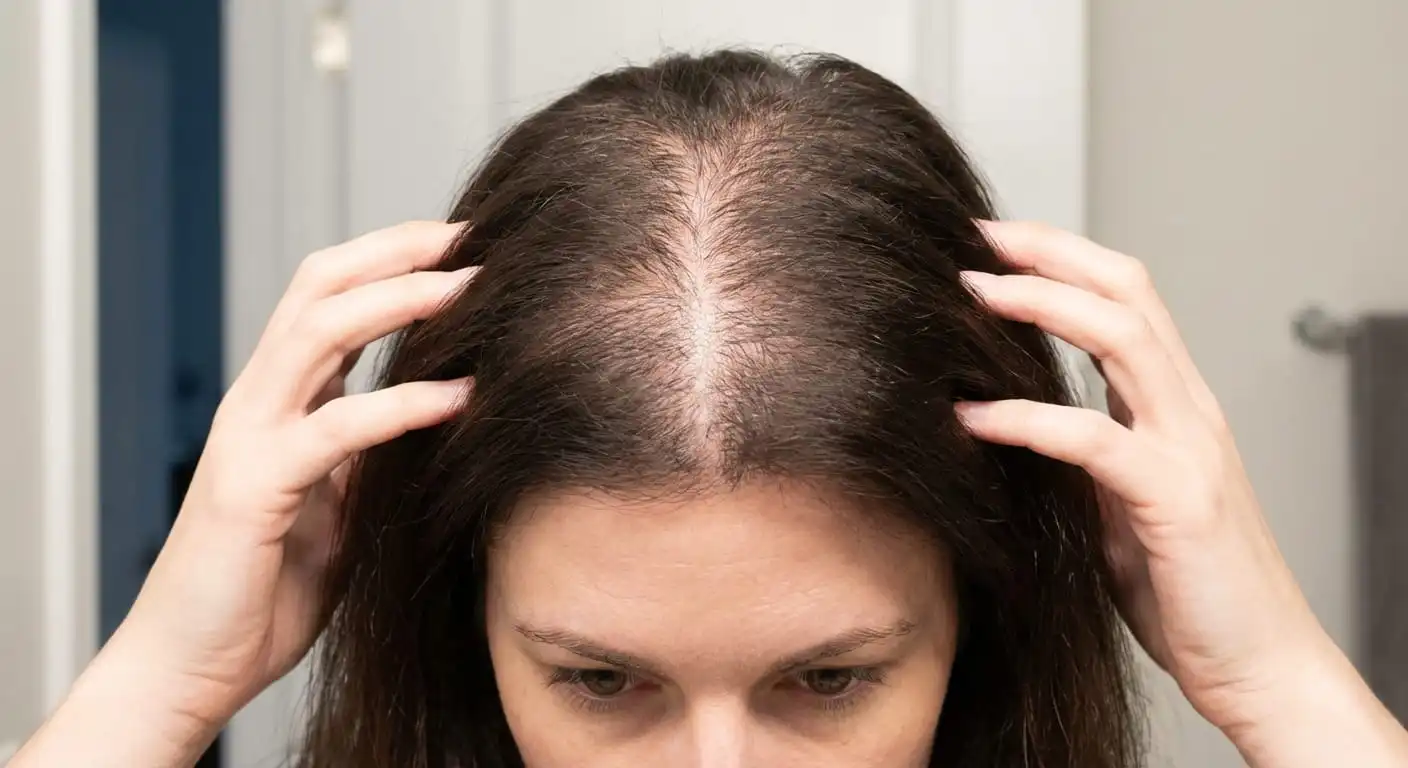
Hair loss is becoming increasingly common among both men and women in India. While shedding 50–100 strands a day is normal, noticeable thinning, a widening hair part, or a receding hairline are not.
Hair loss is gradual. It doesn’t happen overnight — which is exactly why it’s often ignored until it becomes severe.
Understanding the stages of hair loss can help you take action at the right time. Early treatment doesn’t just manage the problem — it can slow, stop, and in many cases partially reverse it.
At Dermapuritys, dermatologist-led treatments are tailored according to the exact stage of hair loss, ensuring safe, personalized, and long-lasting results.
What Is Hair Loss?
Hair loss (also called alopecia) occurs when hair follicles weaken or stop producing healthy strands. Depending on the cause, it may be temporary or permanent.
Common Causes of Hair Loss
-
Genetic factors (male and female pattern baldness)
-
Hormonal imbalances (thyroid disorders, PCOS)
-
Stress and lifestyle factors
-
Nutritional deficiencies
-
Post-illness or post-pregnancy hair fall
-
Medical conditions
-
Excessive heat styling or chemical treatments
Because hair loss progresses slowly, many people dismiss the early warning signs.
Why Knowing Your Hair Loss Stage Matters
Hair loss develops in predictable stages, and each stage requires a different treatment strategy:
✔ Early stages → Preventive & medical treatments
✔ Moderate stages → Combination & regenerative therapies
✔ Advanced stages → Restorative or surgical solutions
The earlier you intervene, the better your outcome.
The 7 Stages of Hair Loss Explained
Stage 1: Normal Hair Density
-
No visible thinning
-
No hairline recession
-
Mild seasonal hair fall possible
Internal follicle weakening may already begin at this stage.
Recommended approach: Preventive scalp care, nutrition correction, and strengthening treatments.
Stage 2: Mild Recession or Increased Hair Fall
-
Slight temple recession (more common in men)
-
Increased shedding during washing or combing
-
Early reduction in hair volume (more noticeable in women)
Often dismissed as “temporary.”
Best action: Early medical evaluation and supportive therapies like PRP or strengthening treatments.
Stage 3: Noticeable Thinning
-
Thinning at the crown or front
-
Visible hairline recession
-
Widened hair part in women
-
Reduced ponytail thickness
Follicles are still alive — making this stage highly responsive to treatment.
Recommended: Clinical treatments under dermatologist supervision — PRP, exosome therapy, or targeted medical solutions.
Stage 4: Significant Thinning & Bald Spots
-
Clear bald patches at the crown
-
Scalp visibility under bright light
-
Noticeable density loss
Delaying treatment at this stage may result in permanent follicle damage.
Treatment approach: Advanced combination therapies with close monitoring.
Stage 5: Severe Hair Loss
-
Large bald areas
-
Extremely thin and fragile hair
-
Styling can no longer conceal thinning
Some regrowth may still be possible with aggressive treatment.
Solution: Intensive regenerative therapies and long-term treatment planning.
Stage 6: Extensive Baldness
-
Hair remains only on the sides and back
-
Crown and front largely bald
-
Limited response to non-surgical treatments
Best option: Hair restoration consultation or transplant evaluation.
Stage 7: Near-Complete Baldness
-
Permanent hair loss
-
Follicles no longer active
Management: Hair transplant or cosmetic restoration options.
Hair Loss in Women: How It Differs
Women rarely develop complete bald patches. Instead, they typically experience:
-
Diffuse thinning across the scalp
-
A widening center part
-
Reduced overall volume
Many women delay treatment, assuming hair fall is temporary or seasonal — which can lead to advanced thinning.
Early consultation with a hair specialist makes a significant difference.
When Should You See a Dermatologist?
Consult a specialist if you notice:
-
Excessive daily shedding
-
Visible thinning or scalp exposure
-
Sudden hair loss after illness or stress
-
A family history of baldness
-
Progressive thinning year after year
The ideal time to begin treatment is during Stage 2 or Stage 3.
Treatment Based on Hair Loss Stage
At Dermapuritys, treatments are personalized after a detailed scalp and root cause analysis.
Early Stages (1–2)
-
Preventive scalp therapies
-
Nutritional and hormonal correction
-
Medical hair-strengthening treatments
Moderate Stages (3–4)
-
PRP (Platelet-Rich Plasma) therapy
-
Hair exosome therapy
-
Medical scalp rejuvenation
Advanced Stages (5–7)
-
Combination regenerative treatments
-
Hair transplant consultation
-
Long-term restoration planning
Can Hair Loss Be Reversed?
✔ Yes — especially in the early and moderate stages.
With timely intervention, hair thinning can often be slowed, stopped, and partially reversed. The longer treatment is delayed, the fewer options remain.
Final Thoughts
Hair loss isn’t just a cosmetic issue — it’s a medical condition that deserves expert evaluation.
Understanding the stages empowers you to act early and choose the right solution.
If you’re noticing hair fall or thinning, don’t wait for it to progress. Early care today can protect your hair for years to come.