
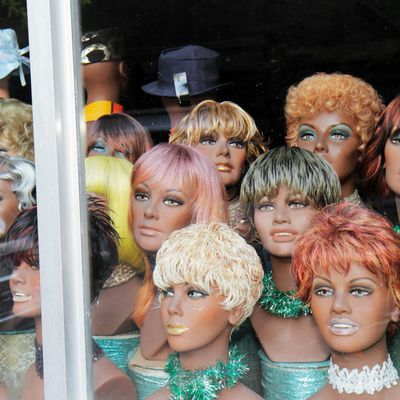
Choosing a wig for someone who needs one is about much more than selecting a colour or hairstyle. A well-matched wig can help a recipient feel comfortable, confident and more like themselves. Whether a wig is provided through a charitable organization, a medical support program or a professional wig service, thoughtful matching can make a meaningful difference.
Every recipient has different needs, preferences and circumstances. Some may want a style that closely resembles their previous hair, while others may see the opportunity as a chance to try something completely new. The best matching process combines practical considerations with personal choice.
Understanding the Recipient First
The first step is learning what the recipient actually wants. A wig should not be selected solely because it looks good on someone else.
Questions about preferred hairstyles, colours, length and everyday routine can help create a starting point. Some people prefer short, low-maintenance styles, while others may want long or layered hair.
The recipient’s comfort level also matters. Losing or experiencing changes to one’s hair can be emotionally difficult, so the process should be respectful and supportive rather than rushed.
Matching Hair Colour
Colour is one of the most obvious aspects of wig selection, but it is not always as simple as choosing “brown,” “black” or “blonde.”
Natural hair can contain multiple shades, highlights and undertones. A wig with subtle variations can sometimes create a more natural appearance than a completely uniform colour.
When appropriate, photographs of the recipient’s previous hairstyle can help identify the closest colour match. However, the final decision should always reflect what the recipient prefers.
Choosing the Right Hairstyle
A recipient’s previous hairstyle can provide useful inspiration. If someone normally wears a short bob, for example, a similar wig may help them feel familiar with their appearance.
However, there is no requirement to reproduce the previous style exactly.
Some recipients may want to maintain their familiar look, while others may prefer to experiment with a different cut. The goal is to offer choices rather than impose a particular appearance.
Factors such as face shape, lifestyle and personal styling preferences can be considered, but the recipient’s opinion should remain central.
Considering Wig Size and Fit
A beautiful wig is not useful if it does not fit comfortably. Wig sizing is therefore an important part of the matching process.
Head measurements can help determine whether a wig is likely to fit correctly. Depending on the manufacturer, wigs may be available in petite, average or large sizes, and many include adjustable straps or other fitting mechanisms.
A properly fitted wig should feel secure without creating unnecessary pressure or discomfort.
Recipients should also have an opportunity to try the wig, when possible, so adjustments can be made before final selection.
Comfort Is a Priority
Comfort can be particularly important for people who may wear a wig for extended periods. The construction of the wig, materials used, weight and ventilation can all affect the wearing experience.
Some people may have greater sensitivity around the scalp and therefore prefer softer, lighter or more breathable options.
A recipient should be encouraged to communicate if something feels uncomfortable. A different cap construction, size or style may provide a better experience.
Matching Wigs to Lifestyle
The right wig should work with the recipient’s everyday life.
Someone with an active lifestyle may prefer a shorter, lightweight style that requires less maintenance. Another person may be comfortable spending more time styling a longer wig.
Daily activities, work requirements and personal routines can therefore influence the recommendation.
A practical wig is one that the recipient can comfortably incorporate into everyday life rather than one that only looks good during a fitting.
Natural Appearance and Personal Choice
For some recipients, achieving a natural appearance is the most important consideration. Features such as hairline design, density, texture and colour variation can influence how realistic a wig appears.
Lace-front or monofilament-style constructions may provide styling flexibility or a more natural-looking hairline, depending on the specific wig.
However, “natural” should not be treated as a requirement. Some recipients may prefer a bold colour, dramatic style or fashion-forward appearance.
The best wig is ultimately the one that makes the wearer feel comfortable and confident.
Using Photos to Improve Matching
Photographs can be extremely useful when selecting a wig. A recent image can help identify the recipient’s previous hair length, colour, texture and general styling preferences.
Multiple photographs can provide even more information, especially when the recipient’s hairstyle changes depending on how the hair is worn.
Photos should be used as guidance rather than as a strict requirement. People may understandably want to explore a new look.
Texture and Hair Type
Hair texture is another important consideration. Straight, wavy, curly and coily textures create different visual effects and require different styling approaches.
Matching texture can help a recipient maintain a familiar appearance, but it is also possible to choose a different texture if that is what the person wants.
The key is to explain the maintenance involved. A wig that requires significant styling may not be ideal for someone looking for a simple, low-maintenance option.
Giving Recipients Options
One of the most important principles of wig matching is giving people choices.
Rather than presenting one wig as the “correct” option, a better approach may be to offer several suitable alternatives. The recipient can compare colours, lengths, shapes and comfort levels.
This approach gives the person greater control over their appearance at a time when they may already feel that some control has been taken away from them.
Supporting Emotional Wellbeing
Hair can be closely connected to identity and self-expression. For some people, receiving a wig can therefore be an emotional experience.
The matching process should be handled with patience and sensitivity. Recipients should never feel pressured to accept a particular style or be made to feel that appearance is the most important part of their experience.
A supportive conversation can be just as valuable as the wig itself.
Making Adjustments After the Match
Wig matching does not necessarily end when a recipient chooses a wig. Small adjustments may improve the fit and appearance.
A professional stylist may be able to trim the wig, adjust its shape or provide basic styling guidance. Recipients can also benefit from instructions about cleaning, storage and appropriate care.
Providing aftercare information helps the recipient get more value from the wig and maintain it for as long as possible.
Conclusion
Matching wigs to recipients is a personal process that combines fit, comfort, appearance, lifestyle and individual preference. The best approach begins by listening to the recipient and understanding what they want.
Colour, hairstyle, texture, size and construction all matter, but none should outweigh the person’s own comfort and choices. Offering multiple options, providing professional guidance and allowing time for adjustments can make the experience more positive.
Ultimately, a well-matched wig is not simply a replacement for hair. It can be a tool for self-expression, confidence and comfort—and the person receiving it should have the final say in what feels right for them.