
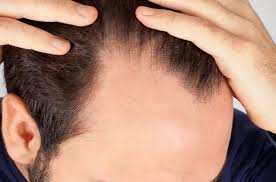
Hair loss is a common concern for both men and women. In many cases, genetics play the primary role, particularly in hair thinning and pattern baldness, which tend to follow predictable patterns—most noticeably in men. According to the American Hair Loss Association, nearly 85 percent of men experience significant hair thinning by age 50, while around 40 percent of women notice hair loss or thinning by age 40.
That said, sudden or excessive hair loss can sometimes signal an underlying health issue and should be assessed by a medical professional. Hair loss may affect only the scalp or the entire body, and for many people it can lead to feelings of self-consciousness, embarrassment, or reduced confidence.
Hair loss can also have a significant psychological impact. The American Hair Loss Association reports links to depression, anxiety, and low self-esteem, noting that hair loss can affect personal relationships and professional life, and may even influence career decisions.
Understanding what’s normal, practicing good hair care, and recognizing warning signs can help you manage hair loss more effectively.
Causes of Hair Loss
Losing 50 to 100 hairs per day is considered normal, as new hair typically grows at the same time. Hair loss becomes a concern when this growth cycle is disrupted or when hair follicles stop producing new hair.
The most common cause of hair loss in both men and women is hereditary and age-related hair loss, known as androgenetic alopecia. The American Academy of Dermatology estimates that around 80 million people in the United States are affected by this condition.
Other possible causes and risk factors include:
-
Hormonal changes linked to pregnancy, childbirth, menopause, polycystic ovarian syndrome (PCOS), or thyroid disorders
-
Physical or emotional stress
-
Damaging hair practices, such as tight hairstyles, excessive bleaching, hot oil treatments, or chemical perms
-
Certain medications, including those used for cancer, arthritis, depression, heart disease, and high blood pressure
-
Medical treatments like chemotherapy or radiation therapy to the head
-
Illnesses such as cancer, diabetes, anemia, autoimmune diseases, or scalp infections like ringworm
-
Conditions such as alopecia areata
-
Poor nutrition, eating disorders, or extreme weight loss
Signs and Symptoms
Hair loss can develop gradually or appear suddenly, making it difficult to tell whether shedding is normal or a cause for concern. Some types of hair loss are temporary, while others may be permanent.
Common signs and symptoms include:
-
Patchy or round bald spots
-
Gradual thinning at the temples or crown
-
A receding hairline in men, often forming an “M” shape
-
Thinning along the part or crown in women
-
Gradual thinning on the top of the head
-
Large amounts of hair falling out during washing or brushing
-
Loss of body hair, including eyebrows, beard, or arm hair
-
Scaly patches spreading across the scalp
Tips for Preventing Hair Loss
For individuals with a genetic predisposition to hair loss, prevention options are limited. However, certain shampoos, supplements, and dermatological treatments may help slow loss or support regrowth.
Regardless of age or family history, good hair care can reduce preventable hair damage. Helpful tips include:
-
Handle hair gently when washing and brushing; use conditioner, detanglers, and a wide-tooth comb on wet hair
-
Avoid tight hairstyles such as braids, buns, or ponytails
-
Limit harsh chemical treatments and excessive heat styling
-
Get regular trims and wash hair consistently
-
Avoid pulling, twisting, or playing with hair
-
Protect hair from sun exposure, chlorine, and environmental damage
-
Avoid medications or supplements known to list hair loss as a side effect, when possible
-
Quit smoking, as studies suggest a link between smoking and hair loss in men
-
During chemotherapy, cooling caps may help reduce hair loss
Treatment Options
Some people choose to accept hair loss as a natural part of aging, while others prefer to conceal it with hairstyles, hats, wigs, or cosmetic products. For those seeking treatment, a range of options is available to help slow hair loss or encourage regrowth.
Treatment approaches may include:
-
Nutritional supplements and natural remedies
-
Medicated shampoos, conditioners, and topical treatments
-
Laser hair therapy
-
Minimally invasive or robotic hair transplant procedures
Medical Treatments
Some dermatology clinics, including APDerm, offer Platelet-Rich Plasma (PRP) therapy for hair restoration. This procedure uses a patient’s own platelets to stimulate dormant hair follicles and support regrowth. PRP typically requires at least three treatments spaced six to ten weeks apart, with some patients needing additional sessions.
When to See a Doctor
If you or your child are experiencing ongoing, sudden, or patchy hair loss—especially when combing or washing—it’s important to consult a doctor or dermatologist. Unexplained or excessive hair loss may indicate a more serious medical condition.
Dermatologists specialize in conditions affecting the hair, skin, and nails and can help identify the cause of hair loss and recommend appropriate treatment options. Early evaluation can make a meaningful difference in both physical results and emotional wellbeing.