
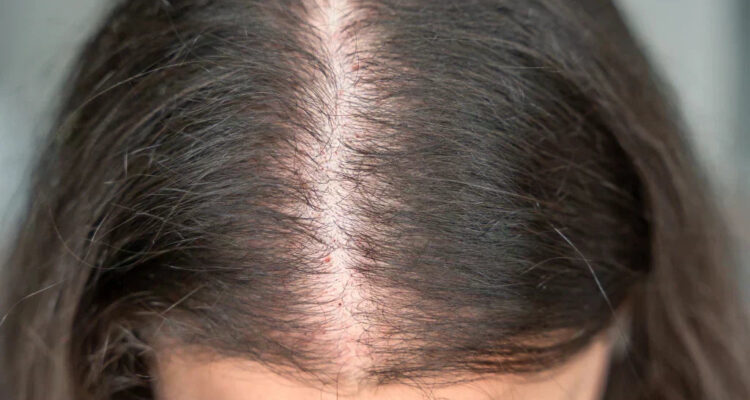
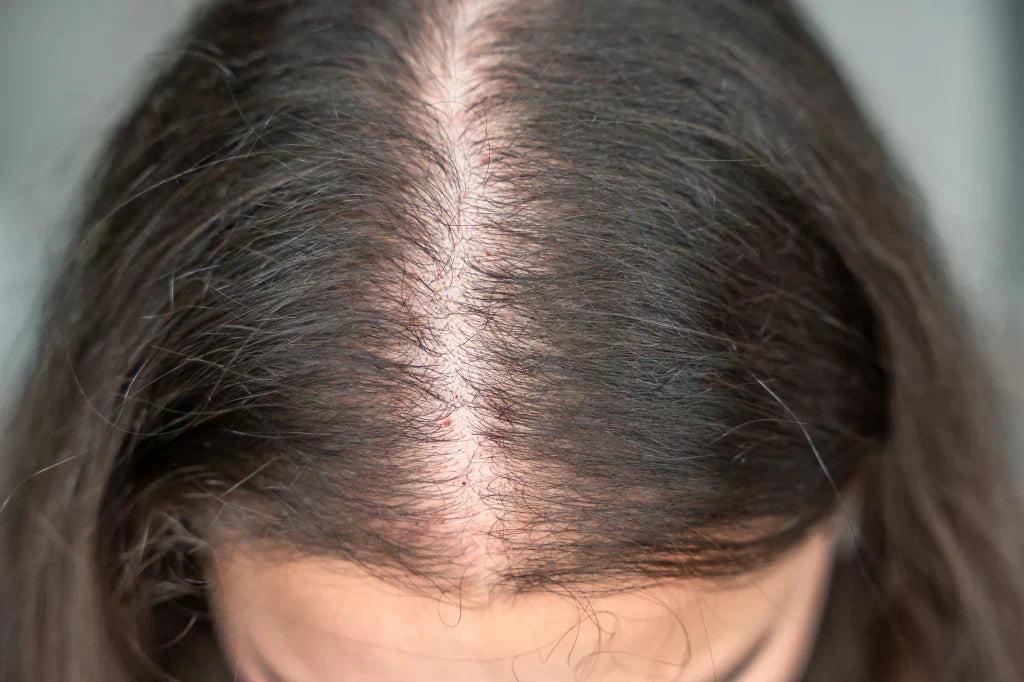
In the 21st century, the problem of hair loss is getting worse. Many emotional, medical and lifestyle-driven factors affect the growth and strength of hair. Hair loss is different from the normal shedding of hair. You must know that every day we shed somewhere around 50-100 hair strands as a part of the normal hair growth cycle. The shedding phase of the hair growth cycle is when damaged hair strands fall out of the hair follicles on their own. After the hair naturally falls, new hair regrows from the follicle. On the other hand, when we talk about hair loss, hair regrowth is halted until the underlying condition is addressed. This impasse can last a lifetime and result in baldness. There are many reasons behind hair loss, from hormonal changes to an unhealthy lifestyle. Today in this blog, we will discuss the hair loss causes that you were not aware of but were leading to thinning of hair and the formation of bald patches.
Common Causes of Hair Loss Simplified
Hair loss is a concern that affects both men and women, but understanding its causes can help you address the issue effectively. Below, we break down some of the most common causes of hair loss and offer tips to mitigate or treat them.
1. Physical Stress
The body, including your hair, can be significantly impacted by severe physical stress. Situations such as accidents, surgeries, illnesses, or even childbirth can disrupt the hair growth cycle, leading to temporary hair loss. This type of hair loss, known as telogen effluvium, happens because the body is prioritizing essential functions, like healing and recovery, over non-essential ones like hair growth. Signs of this kind of hair loss include thinning or shedding that occurs a few months after the stressful event. The good news is that hair typically begins to regrow after the physical stress has subsided and the body has recovered. Supporting your recovery with proper nutrition, rest, and care can further accelerate the process.
2. Stress in the Emotions Hair loss
Can also be caused by major emotional stress, such as grief, anxiety, or significant life changes. Emotional distress disrupts the natural growth cycle of hair, pushing hairs prematurely into the shedding phase. Although hair loss is typically brief, it can be upsetting for those who are experiencing it. Stress management techniques such as mindfulness, yoga, meditation, or regular exercise can play an important role in resetting your hair growth cycle naturally. Additionally, seeking support from friends, family, or a therapist can help alleviate emotional stress, leading to noticeable improvements in hair health.
3. Unhealthy Way of Life and Diet
Your diet and lifestyle play a vital role in maintaining healthy hair. Poor nutrition, including deficiencies in essential vitamins and minerals like iron, zinc, biotin, or vitamin D, can lead to weakened hair follicles and hair loss. Similarly, habits such as smoking, consuming excessive alcohol, insufficient sleep, or chronic dehydration can have a cumulative negative impact on hair health. A lack of proper nutrients means the hair doesn’t get the building blocks it needs for growth and strength. Harsh hair treatments, including frequent use of dyes or chemical relaxers, can also exacerbate the issue. To combat this, prioritize eating a well-balanced diet rich in proteins, fruits, vegetables, and healthy fats, and avoid unhealthy lifestyle practices. Drinking plenty of water, exercising regularly, and ensuring you get enough sleep can make a significant difference in both your overall health and your hair.
4. Acne in the scalp and hair
Hair loss is frequently caused by conditions that affect the scalp, like fungal infections, dandruff, or product sensitivities. Infections like ringworm can weaken the hair follicles, while excessive dandruff may clog the hair roots, hindering growth. Reactions to particular hair care products may occasionally cause inflammation or irritation, which can exacerbate hair loss. It is essential to promptly diagnose and treat these problems. Seeking help from a dermatologist for appropriate treatment, such as medicated shampoos, antifungal creams, or oral medications, can restore scalp health and stimulate hair regrowth. Maintaining good scalp hygiene and avoiding products that aggravate your skin are essential steps in preventing further damage.
5. Hormonal and Medical Conditions
Hormonal imbalances are a frequent cause of hair loss, particularly in women. Pregnancy, menopause, polycystic ovary syndrome (PCOS), or thyroid disorders can disrupt hormone levels and lead to temporary or gradual hair loss. For example, during pregnancy, elevated hormones often support thicker hair, but postpartum hormonal shifts can trigger increased shedding. Autoimmune diseases like alopecia areata, which cause the body’s immune system to attack hair follicles, can lead to localized or widespread hair loss. More severe hair loss can result from medical treatments like chemotherapy or radiation therapy, which can be permanent or reversible depending on the treatment. Addressing these underlying conditions with the help of a healthcare provider or dermatologist is crucial. The effects can be controlled and regrowth encouraged with hormone therapy, medications, or customized treatments.
6. Poor Hair Care Practices
Everyday hair care habits can significantly influence hair health. Over-styling, frequent use of heat tools like straighteners or curling irons, and tight hairstyles (such as ponytails or braids) can weaken hair strands and lead to hair breakage or traction alopecia. Aggressive brushing, especially on wet hair, or using harsh shampoos and conditioners can also strip your hair of natural oils, leaving it vulnerable to damage. Choose gentle, sulfate-free shampoos and conditioners, and don’t overwash your hair, to prevent hair loss. Limit the use of heat styling tools and always use a heat protectant spray when you do. Protect your hair from environmental factors like UV exposure or chlorine in swimming pools, and opt for looser hairstyles that don’t stress the roots.
7. Genetics
For many people, genetics play a primary role in hair loss. Conditions such as male-pattern baldness or female-pattern baldness are hereditary and tend to become more noticeable with age. This type of hair loss, known as androgenetic alopecia, typically follows a predictable pattern, such as a receding hairline for men or thinning at the crown for women. While genetic hair loss cannot be entirely prevented, early intervention can slow its progression. Treatments such as minoxidil, finasteride, or hair transplant surgery may be effective options for managing hereditary hair loss. Consulting a Hair specialist can help you explore the best course of action based on your needs.
Taking Action
Experiencing hair loss can be disheartening, but the good news is that many causes can be addressed with the right approach. There are things you can do to restore your hair and boost your confidence, such as changing your diet, managing your stress, practicing better hair care, or seeking medical advice. Pay attention to the root causes of your hair loss and make changes early to maximize your chances of recovery. Remember, healthy hair starts with a healthy you!!
Conclusion
However, on the other hand, causes like hormonal changes, genetic composition, medical conditions, and infection demand treatment from a hair loss doctor. If any of these factors are causing your hair to fall out or become thin, you should get in touch with your closest dermatologist right away. The doctor will not only help you find the reason behind the excessive hair loss but will also prescribe you treatments to treat your hair problems right away. So, visit your dermatologist to filter the causes and deal with them on time.